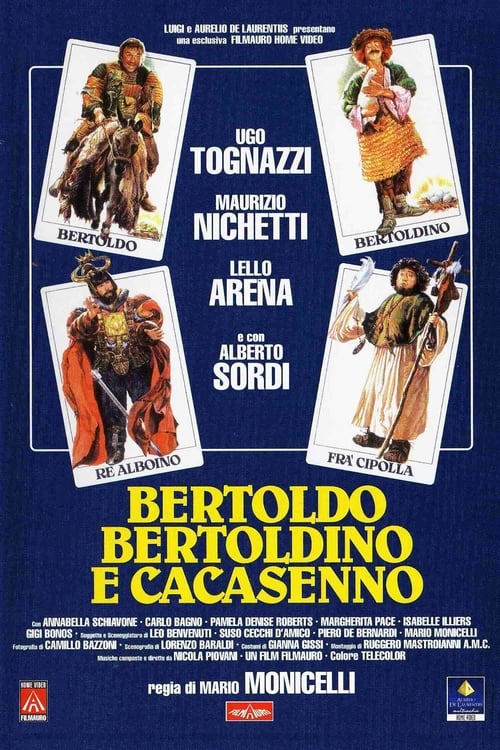
Bertoldo, Bertoldino, and Cacasenno
1984
No user ratings available yet
Representation score: 3.3 out of 10
Representation Score
Limited
1981
Director
Mario Monicelli
Runtime
139 minutes
Average Rating
No ratings yetNew Showbiz Analysis
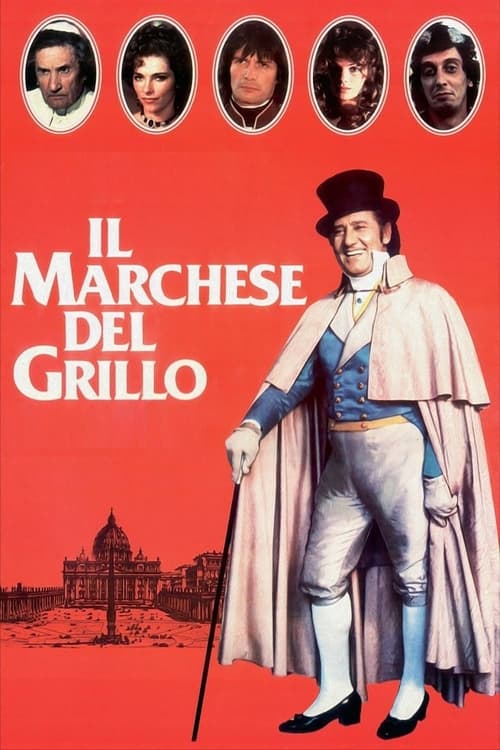
Mario Monicelli’s comedy serves as a sharp social satire targeting institutional corruption and class rigidity. It prioritizes the disruption of sacred power structures, such as the Papacy, in favor of individualistic ability to act. Though the film lacks contemporary markers of diversity related to race, gender, and LGBTQ+ identities, it achieves progressive value through its deconstruction of traditional authority. It focuses more on the hypocrisy of the aristocracy than on diverse identity representation.
Category Breakdown
The film doesn't include any explicit LGBTQ+ characters or stories. The focus is on political and class satire rather than exploring gender identity or sexual orientation.
The story revolves around a male protagonist whose actions drive the plot. Female characters play traditional roles from the 18th century within the social hierarchy.
Set in 18th-century Rome, the cast is predominantly made up of Italian actors. The presence of French occupiers adds a cross-border dynamic, but the film reflects the era's specific demographics.
The film uses satire effectively to challenge the reverence for authority. By mocking the Pope and the nobility, it questions the stability of the Church and Monarchy.
There is no evidence of characters with physical or neurodivergent disabilities in the film.
Present on Screen
Limited or Absent
Official Synopsis
In 18th-century Rome, impish aristocrat Onofrio del Grillo amuses himself by playing pranks on all sorts of people — his reactionary family and fellow nobles, the poors, the French occupiers trying to modernize society, and even the Pope himself.
1984
1975
1968
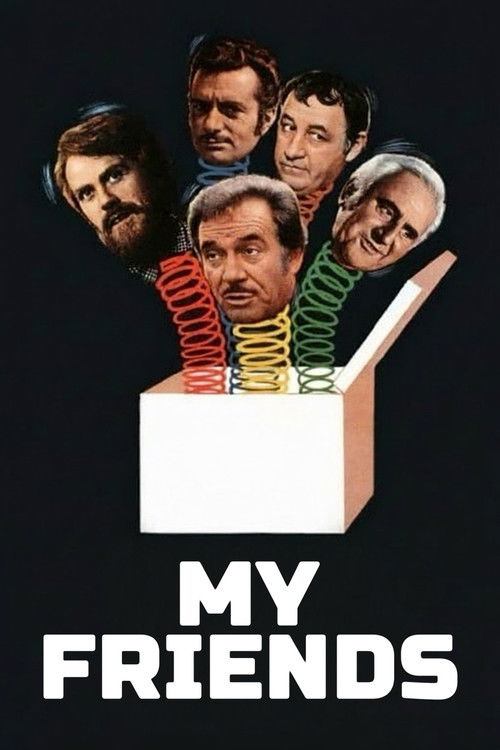
1975
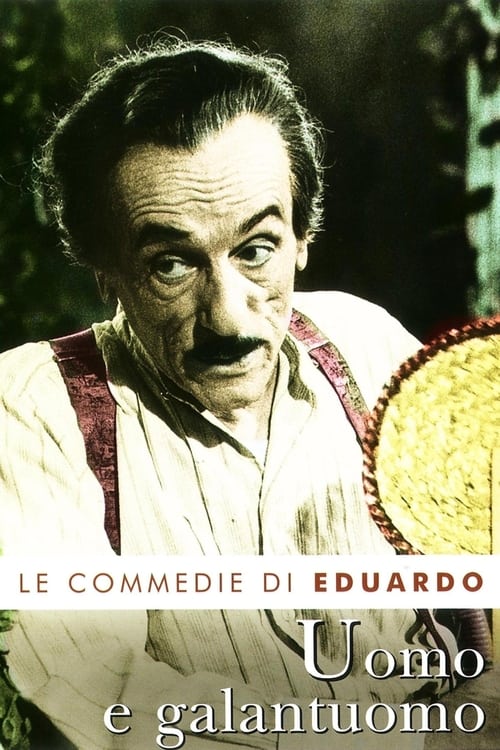
1975
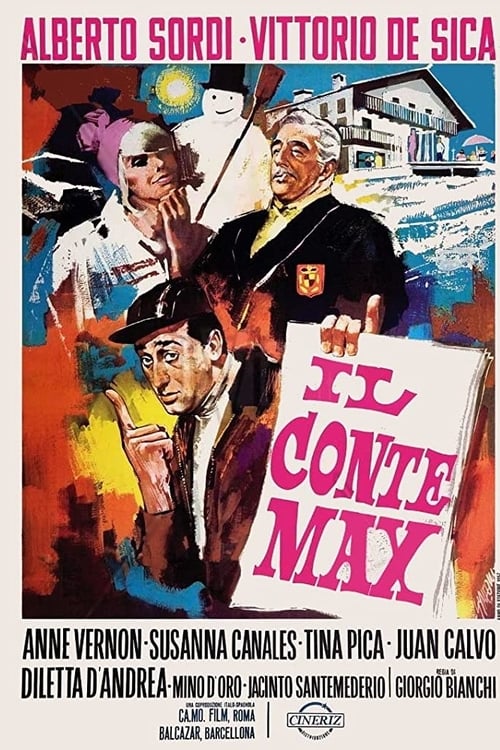
1957
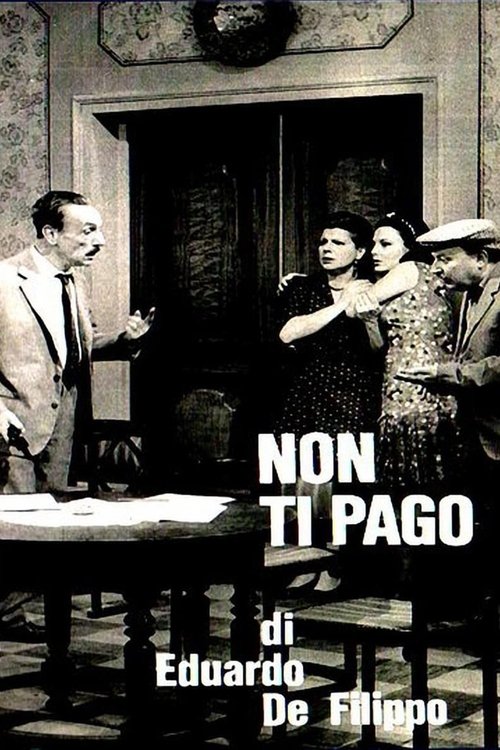
1964
1995
No reviews yet. Be the first to share your thoughts on this movie!
Use the rating form above to leave a star rating and optional review.