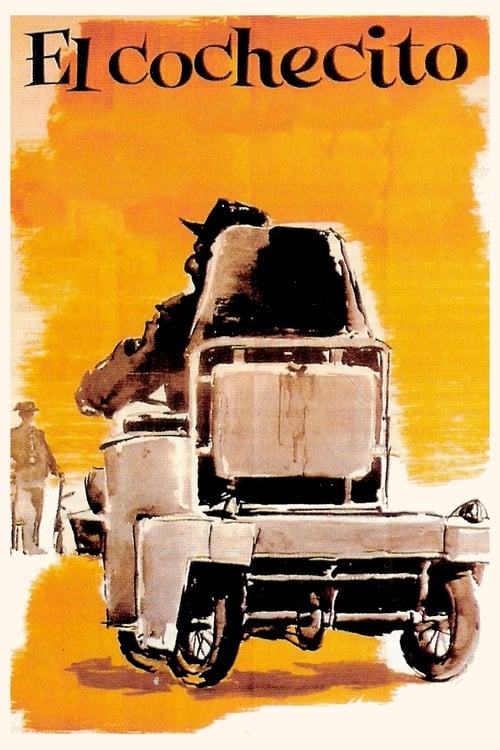
The Wheelchair
1960
No user ratings available yet
Diversity score: 4.2 out of 10

1967
Director
Marco Ferreri
Runtime
85 minutes
Average Rating
No ratings yetSynopsis
Mario is a Milan industrialist who is constantly testing balloons to see how much air one can take before busting.
Overall Score
Fair
Category Breakdown
LGBTQ+ Representation
The film lacks explicit evidence of non-heteronormative identities or same-sex intimacy. The narrative focuses primarily on a singular industrialist's specific obsession.
Gender Representation
The story centers on a male industrialist, reinforcing patriarchal structures. However, his irrational behavior may subvert traditional notions of masculine productivity and authority.
Racial & Ethnic Diversity
The production appears to reflect the homogeneous social strata of the 1967 Italian industrial class. There is no indication of a diverse or non-Anglo-Saxon cast.
Religious & Cultural Diversity
The film offers a strong critique of capitalist stability and Western meritocracy. The protagonist's absurd pursuits serve as a metaphor for the emptiness of modern institutional life.
Disability Representation
The protagonist displays idiosyncratic and obsessive behaviors. However, these appear to be surrealist metaphors rather than a formal portrayal of neurodivergence or disability.
Strengths
Areas for Improvement
AI Analysis
The film's diversity profile is defined by a tension between demographic homogeneity and thematic subversion. While the cast and setting reflect the narrow, industrialist social circles of 1967 Italy, the narrative itself challenges the status quo. Rather than providing broad representation of race or gender, the film uses its protagonist to critique the very structures of mid-century Western society. The focus is on the absurdity of capitalist productivity rather than demographic variety. Ultimately, the work functions more as a social critique of institutional stability than a diverse character study, resulting in a score that reflects its narrow social scope despite its intellectual depth.
1960
1961
1965
1966
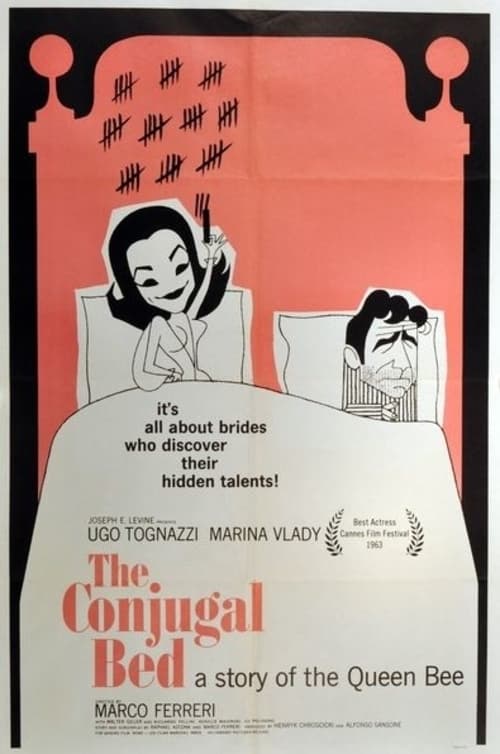
1963
2018
1971
1969
1974
1988
1981
1971
No reviews yet. Be the first to share your thoughts on this movie!
Use the rating form above to leave a star rating and optional review.