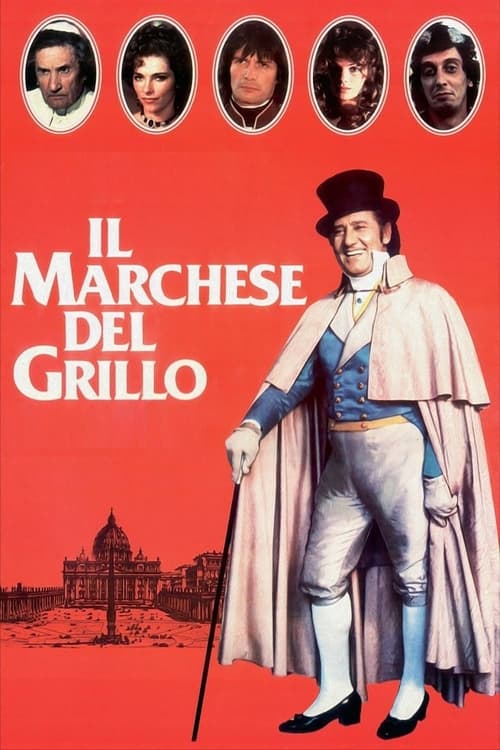
The Marquis of Grillo
1981
No user ratings available yet
Representation score: 3.7 out of 10
Representation Score
Limited
1984
Director
Mario Monicelli
Runtime
121 minutes
Average Rating
No ratings yetNew Showbiz Analysis
Mario Monicelli’s comedy centers on the tension between the underrepresented peasantry and established power structures. The film’s strength lies in portraying the ability to act of the lower class through subversion and wit. However, the work adheres to a very traditional framework, lacking diversity in terms of gender, race, and LGBTQ+ representation, reflecting the era and its specific historical setting. While the characters are buffoons, the film’s core is a social critique of authority, providing a layer of depth beyond simple farce.
Category Breakdown
The film follows a traditional family structure and does not include any non-cisgender or queer identities.
The story revolves around a male-centric trio and features slapstick humor. Marcolfa is confined to a domestic role, often serving as a catalyst for trouble rather than an independent agent.
The casting reflects the homogeneous ethnic makeup of a historical, rural Italian setting. The narrative stays within a localized, culturally specific context.
The film highlights anti-authoritarianism through a peasant class that survives by subverting social norms. It critiques established hierarchies and institutional morality.
Clumsiness and foolishness are used as comedic slapstick clichés. These traits serve as genre elements rather than nuanced depictions of neurodivergence or physical disabilities.
Present on Screen
Limited or Absent
Official Synopsis
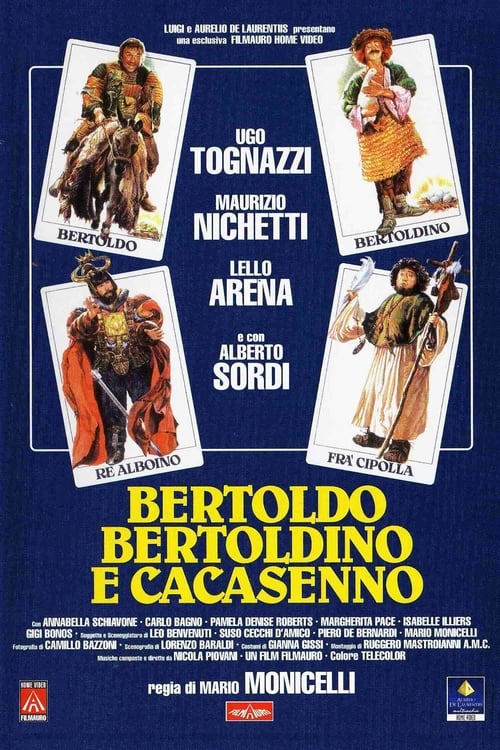
During the reign of King Alboin, the peasant Bertoldo, sly and smart, manages to always get away with pranks and pleasantires with great mastery, and, even if his clumsy wife Marcolfa and their foolish son Bertoldino always put him in trouble, his shrewdness and acumen save him from any unfortunate situation...
1981
1975
1987
1975
1972
1956

1963
1972
No reviews yet. Be the first to share your thoughts on this movie!
Use the rating form above to leave a star rating and optional review.