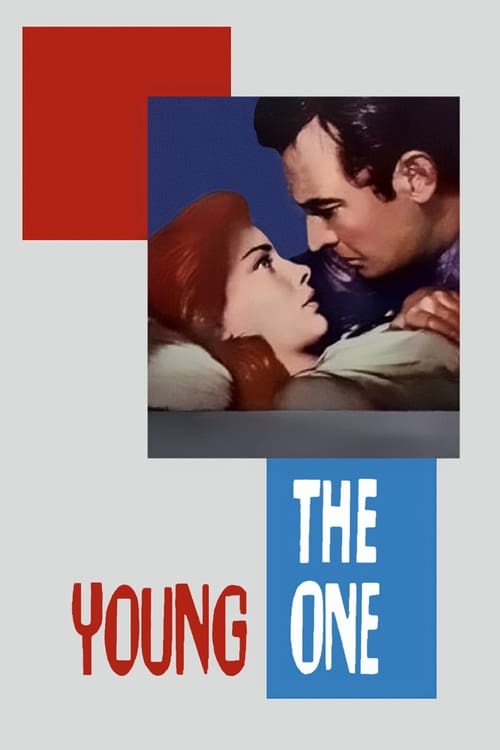
The Young One
1960
No user ratings available yet
Representation score: 4.3 out of 10

Representation Score
Good
1964
Director
Koreyoshi Kurahara
Runtime
95 minutes
Average Rating
No ratings yetNew Showbiz Analysis
Black Sun is a notable example of the Japanese New Wave, using existential themes to challenge post-war social structures. Its strongest point is the progressive handling of racial dynamics, placing a Black American GI at the center of a cross-cultural conflict that disrupts the era's typical social silos. However, the film remains heavily focused on male characters, neglecting women's ability to drive the story and failing to challenge traditional gender roles. Additionally, it treats psychological struggles as broad philosophical ideas rather than nuanced representations of neurodivergence or disability. While the film lacks diversity in gender and LGBTQ+ representation, its intentional disruption of racial and cultural hierarchies provides a significant qualitative impact.
Category Breakdown
The film touches on themes of sexual frustration and unstable relationships but does not explicitly represent non-straight identities or challenge the assumption that everyone is straight.
The story focuses on the psychological instability and wandering of male characters, failing to give significant roles to women or challenge traditional gender roles.
By featuring an African-American GI in a vulnerable position, the film disrupts the post-war social homogeneity. The cross-cultural dialogue between Akira and Gill highlights ongoing racial tensions.
The film criticizes rapid modernization and the decline of traditional institutions, symbolized by a ruined church. It portrays anti-social behavior as a rebellion against a corrupt social order.
Psychological instability is portrayed as a philosophical condition of the era. The film lacks nuanced depictions of disability or characters with specific control over their mental health issues.
Present on Screen
Limited or Absent
Official Synopsis
Akira, a young, jazz-obsessed drifter, returns to his squat, a ruined church, and finds Gill, a wounded African-American GI, on the run after the death of a white GI. Despite terrible misunderstandings and culture clash, Akira agrees to help Gill escape towards the sea, dodging military police along the way.
1960
1956
1972

1948
1967
1965

1973
1960
No reviews yet. Be the first to share your thoughts on this movie!
Use the rating form above to leave a star rating and optional review.