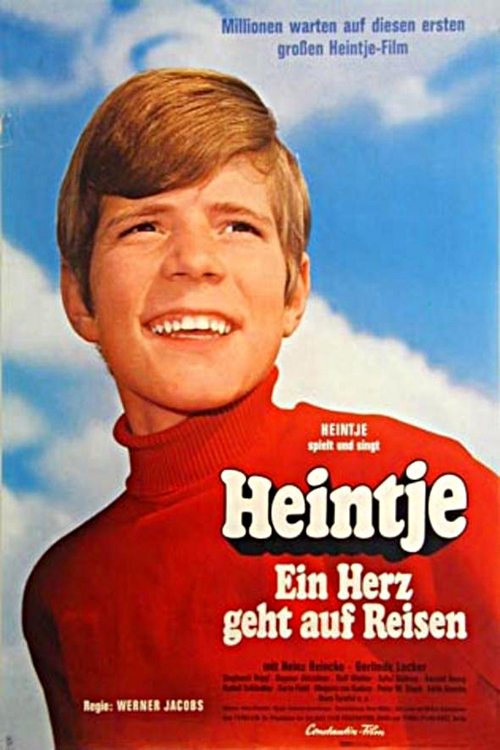
Heintje - A Heart Goes on a Journey
1969
No user ratings available yet
Diversity score: 1.6 out of 10
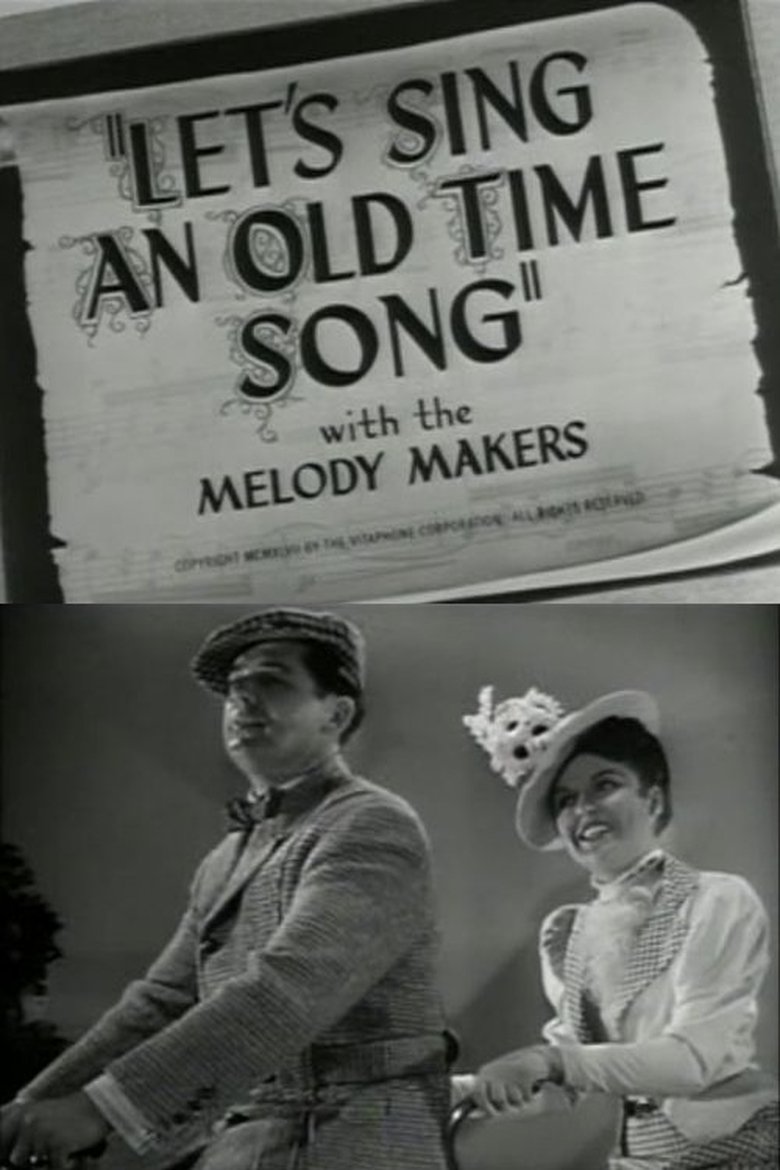
1947
ApprovedDirector
Jack Scholl
Runtime
9 minutes
Average Rating
No ratings yetSynopsis
This short film focuses on four songs, "The Band Played On", "Daisy Bell" (a.k.a. "A Bicycle Built for Two"), "Come Josephine in My Flying Machine", and "The Man on the Flying Trapeze", that have become American standards.
Overall Score
Minimal
Category Breakdown
LGBTQ+ Representation
The film lacks any discernible non-heteronormative narratives or characters. It adheres strictly to the social mores of 1947, focusing on traditional romantic themes found in standard American songbooks.
Gender Representation
Female performers appear as central figures in musical numbers, yet they align with traditional variety-show archetypes. Their roles serve as vessels for melodic performance rather than agents of narrative change.
Racial & Ethnic Diversity
The film presents a homogeneous view of American musical tradition. It follows the era's tendency toward a Western-centric, Anglo-Saxon musical canon without disrupting the racial status quo.
Religious & Cultural Diversity
The work emphasizes traditional American standards and nostalgia for established Western musical forms. It reinforces cultural continuity through the repetition of 'old-time' songs rather than critiquing institutions.
Disability Representation
There is no evidence of characters with visible or invisible disabilities. The film focuses on able-bodied performers engaged in standard musical and variety-style movements.
Strengths
Areas for Improvement
AI Analysis
This musical short functions as a curated retrospective of American standards, prioritizing melodic preservation over character development. It operates within a highly conventional framework that celebrates established cultural artifacts rather than disrupting social hierarchies. The production reflects the mainstream, commercially safe variety content typical of Republic Pictures in the post-war era. It reinforces the social and cultural standards of 1947 through a lens of traditionalism and nostalgia. Ultimately, the film lacks intersectional depth. It serves as an exercise in cultural continuity, offering familiarity rather than an exploration of identity or the deconstruction of social norms.
1969
1977
1934
1974
1947
1948
1948

1948
1946
1948
1948
1948
No reviews yet. Be the first to share your thoughts on this movie!
Use the rating form above to leave a star rating and optional review.