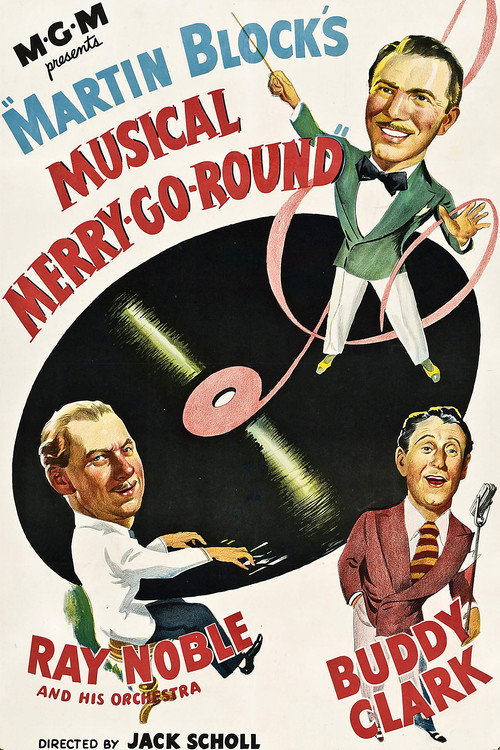
Martin Block's Musical Merry-Go-Round No. 2
1948
No user ratings available yet
Representation score: 0.6 out of 10
Representation Score
Minimal
1948
ApprovedDirector
Jack Scholl
Runtime
11 minutes
Average Rating
No ratings yetNew Showbiz Analysis
This musical variety segment is a product of its time, prioritizing traditional entertainment standards over narrative depth. The format is centered on musical arrangement rather than character-driven storytelling, limiting opportunities for complex representation. The production reflects the mid-century status quo, featuring a predominantly white ensemble and performers operating within conventional social frameworks. It remains a straightforward, period-specific musical broadcast without engaging with multi-layered identities or social subversion.
Category Breakdown
There are no visible LGBTQ+ identities or narratives that challenge the social structures of the era in the musical segment.
Marjorie Hughes provides a female presence within the musical landscape, but the representation adheres to traditional mid-century aesthetic frameworks rather than challenging gender roles.
The production features a predominantly white orchestral ensemble and vocalists, reflecting the standard casting patterns of the post-war American musical era.
The work celebrates mainstream American musical entertainment of the late 1940s, reinforcing the cultural status quo without offering institutional critique or secular diversity.
The focus remains strictly on the musical performance of able-bodied orchestra members and vocalists, with no performers showing visible or invisible disabilities.
Present on Screen
Limited or Absent
Official Synopsis
In this episode of the Musical Merry-Go-Round we get music from Frankie Carle and His Orchestra and Marjorie Hughes.
1948
1954
1948
1948
1948
1943
1947

1942
No reviews yet. Be the first to share your thoughts on this movie!
Use the rating form above to leave a star rating and optional review.