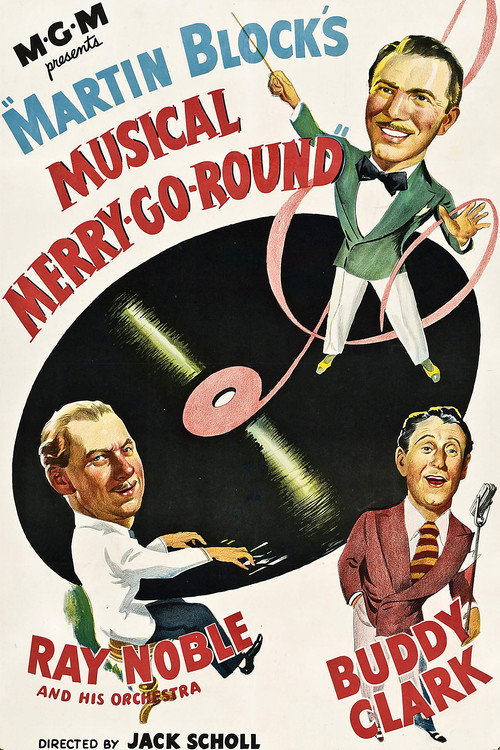
Martin Block's Musical Merry-Go-Round No. 1
1948
No user ratings available yet
Representation score: 0.4 out of 10
Representation Score
Minimal
1948
ApprovedDirector
Jack Scholl
Runtime
10 minutes
Average Rating
No ratings yetNew Showbiz Analysis
This musical broadcast showcases the talents of disc jockey Martin Block and musician Tex Beneke. As a variety-style program rather than a scripted narrative, it lacks the structure needed for complex character arcs or exploration of diverse identities. The production reflects the social and demographic norms of 1948. It emphasizes musical performance over social commentary or challenging power structures. Overall, the program serves as straightforward mid-century entertainment. It does not engage with social hierarchies or identity-based themes found in more narrative-driven films.
Category Breakdown
The program does not include any characters with non-binary or transgender identities. It focuses solely on showcasing professional performances without exploring LGBTQ+ stories.
The production highlights professional musicians but does not disrupt traditional gender roles. It seems to uphold the gender norms typical of 1948 broadcast standards.
The content reflects the demographic makeup of late 1940s American broadcasting. There is no evidence of non-white casts used to challenge social norms.
The program follows traditional mid-century cultural norms. It operates as conventional entertainment without questioning institutional norms or prioritizing secular themes.
There is no indication of performers or characters with visible or invisible disabilities. The program does not incorporate disability representation.
Present on Screen
Limited or Absent
Official Synopsis
Disc Jockey Martin Block talks with and plays music by Tex Beneke
1948
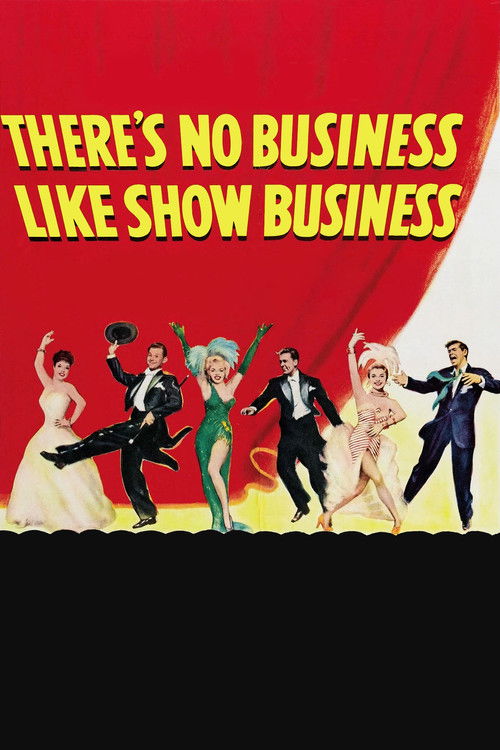
1954
1948
1948
1948
1948
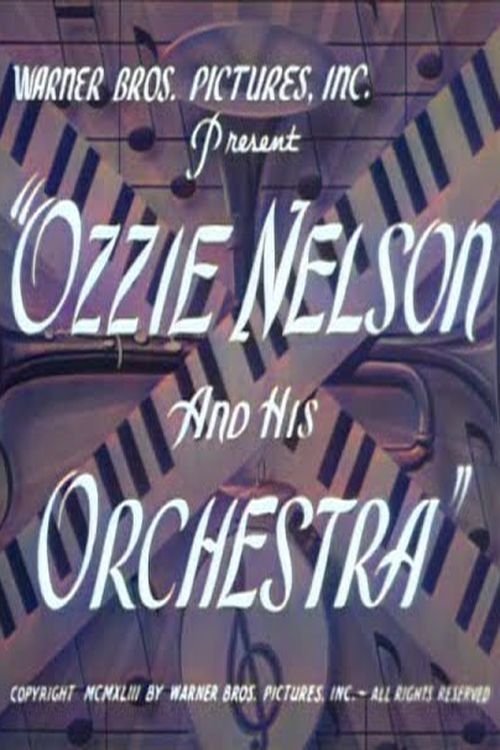
1943

1942
No reviews yet. Be the first to share your thoughts on this movie!
Use the rating form above to leave a star rating and optional review.