Let's Sing a Song of the West
1947
No user ratings available yet
Diversity score: 2.2 out of 10
1948
ApprovedDirector
Jack Scholl
Runtime
11 minutes
Average Rating
No ratings yetSynopsis
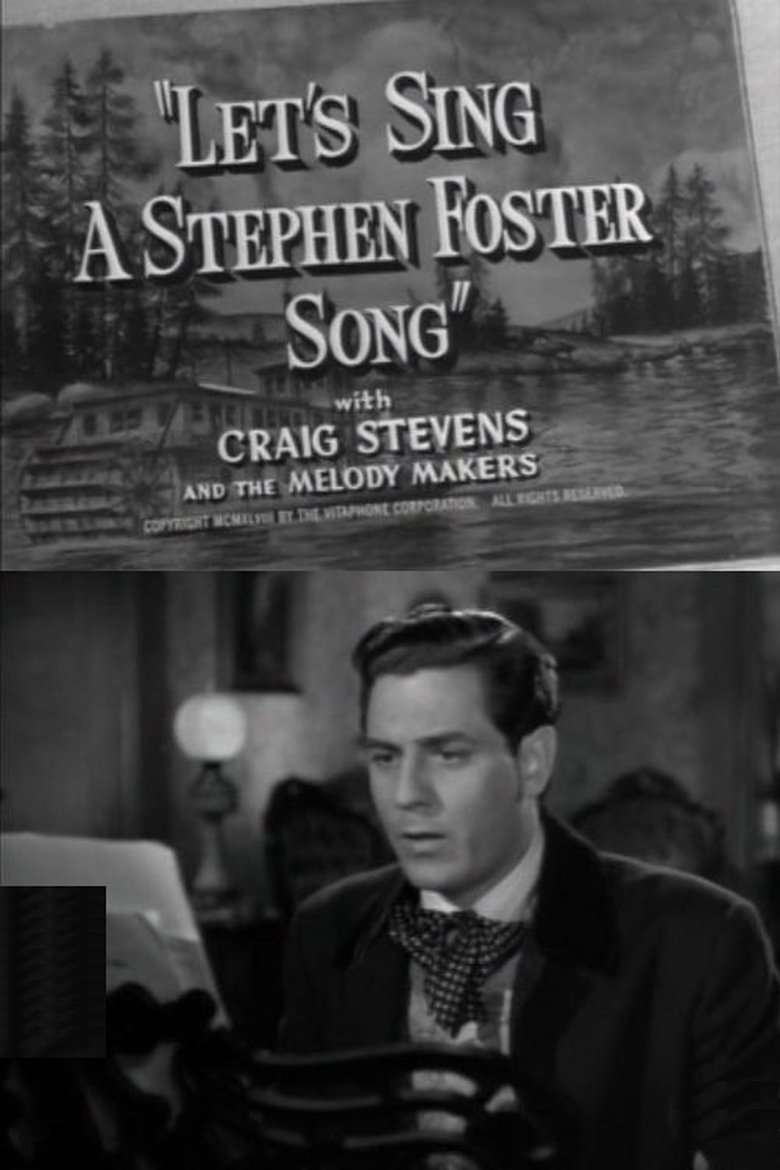
A short in the Memories From Melody Lane series. This dramatization of Stephen Foster's life shows how the songwriter came to write four of his most popular tunes: "My Old Kentucky Home", "Old Folks at Home", "Beautiful Dreamer", and " De Camptown Races". After each song is performed, the audience is invited to sing along with the Melody Makers as the lyrics are displayed on title cards.
Overall Score
Limited
Category Breakdown
LGBTQ+ Representation
The film focuses on the biographical presentation of Stephen Foster’s musical catalog. There is no evidence of non-cisnormative gender identities or narratives addressing heteronormativity.
Gender Representation
The narrative architecture centers on the historical figure of Stephen Foster. While the ensemble likely includes female performers, the focus remains on the male songwriter's legacy.
Racial & Ethnic Diversity
The film dramatizes Foster's life, which is historically rooted in the American South. The production likely reflects 1948 casting practices rather than an intentional disruption of racial hierarchies.
Religious & Cultural Diversity
This production serves as a celebration of traditional American folk music and historical songwriting. It promotes cultural heritage and nostalgia aligned with traditional Western values.
Disability Representation
There is no mention of characters with visible or invisible disabilities. No evidence exists to suggest these themes are present or addressed.
Strengths
Areas for Improvement
AI Analysis
This musical short functions as a pedagogical tool and historical commemoration rather than a complex narrative. It prioritizes the preservation of Stephen Foster's musical legacy through dramatization and audience sing-alongs. The film adheres strictly to the social and cinematic conventions of 1948. Its structure is designed for musical instruction and nostalgia, which limits the opportunity for deep character agency or intersectional storytelling. Ultimately, the production reinforces established cultural legacies and mid-century performance standards. It offers minimal disruption to conventional social or identity-based hierarchies.
1947
1948
1947

1948
1948
1948
1946
1948
No reviews yet. Be the first to share your thoughts on this movie!
Use the rating form above to leave a star rating and optional review.