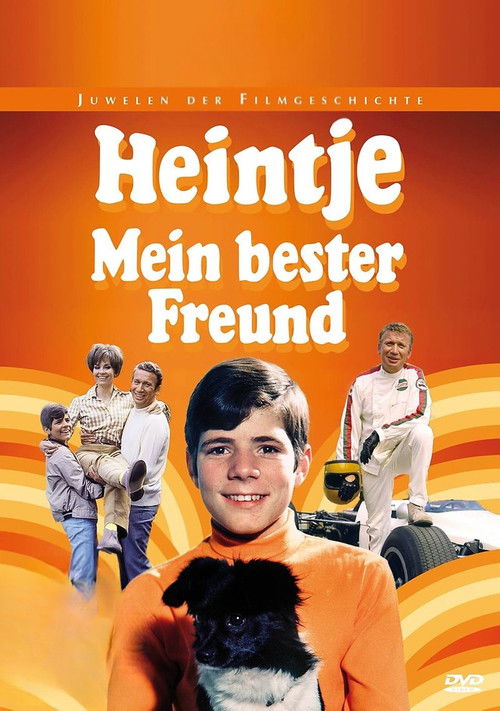
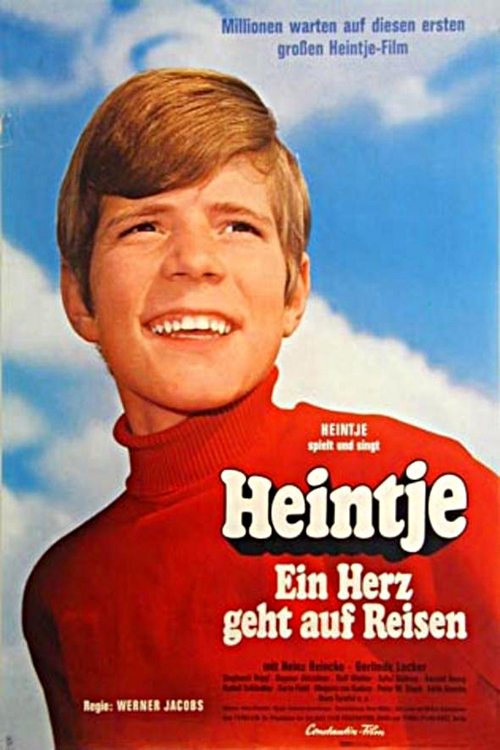
Heintje - Mein bester Freund
1970
No user ratings available yet
Representation score: 0.3 out of 10
Representation Score
Minimal
1969
Director
Werner Jacobs
Runtime
104 minutes
Average Rating
No ratings yetNew Showbiz Analysis
This film is a classic example of 1960s European commercial cinema, emphasizing sentimentality over social disruption. Its narrative structure supports established norms around family, gender, and ethnicity without challenging them. The story reinforces mid-century cultural values, focusing on the restorative power of the traditional home. It lacks the intentionality needed to explore more complex or diverse social realities.
Category Breakdown
The film focuses on traditional family formation and does not include any non-cisgender identities or same-sex relationships.
Gender roles in the film follow mid-century hierarchies, with a female welfare officer providing domestic stability. However, the film upholds rather than challenges traditional gender archetypes.
The cast and setting reflect a single ethnic identity typical of the time, without any racial blending or diverse casting.
The film emphasizes Western values such as the sanctity of family and social cohesion, presenting a nostalgic view of childhood and institutional stability.
The film does not address disability or neurodivergence, using the protagonist's orphan status as a sentimental plot device rather than a meaningful exploration of their situation.
Present on Screen
Limited or Absent
Official Synopsis
A poor orphan boy runs away from the children's home and sets up his lonely fatherly friend with his youth welfare officer. As a result, nothing stands in the way of our hero's adoption.
1970

2003
2002

2000
2001

1977
2006

1980
No reviews yet. Be the first to share your thoughts on this movie!
Use the rating form above to leave a star rating and optional review.