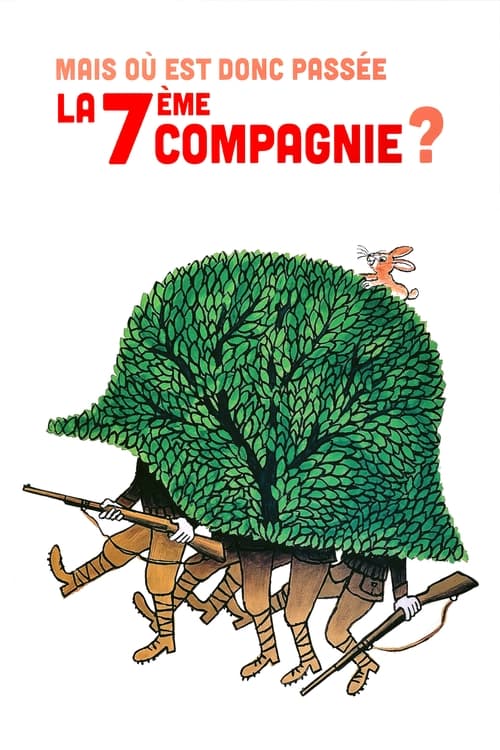
Now Where Did the Seventh Company Get to?
1973
No user ratings available yet
Representation score: 2.1 out of 10
Representation Score
Minimal
1975
Director
Robert Lamoureux
Runtime
80 minutes
Average Rating
No ratings yetNew Showbiz Analysis
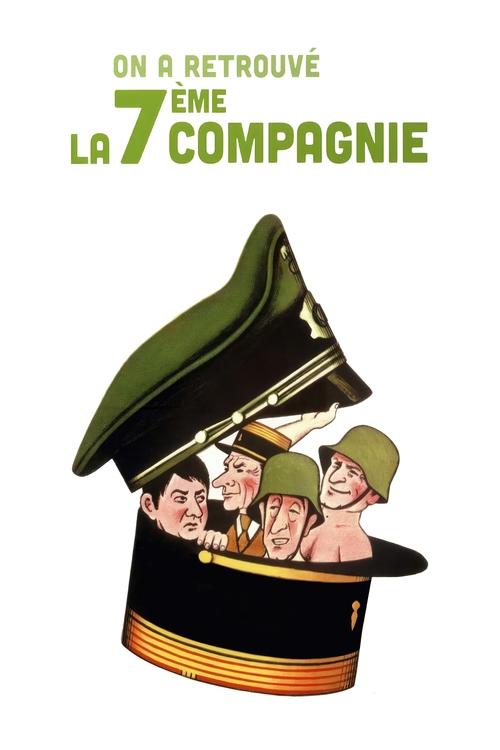
The Seventh Company Has Been Found (1975) is a traditional ensemble comedy reflecting the social and cinematic norms of 1970s French media. It focuses on conventional character types and institutional settings. The film highlights the camaraderie of a male-dominated military unit, which limits its exploration of social representation. Ultimately, the work does not make a deliberate effort towards progressive identity politics or diverse inclusion, instead reflecting the demographic and social norms of the period.
Category Breakdown
The film follows the social norms of the mid-1970s and does not include any non-traditional gender identities or critiques of the assumption that everyone is straight or cisgender.
The story centers on the camaraderie among soldiers in a male-dominated environment. Female characters are present but play minor roles compared to the male-focused storyline.
The casting reflects the demographics of the French military during that time. The representation seems to mirror the social norms of the period rather than aiming for diverse inclusion.
The film emphasizes traditional values of duty and collective identity, reinforcing institutional loyalty rather than promoting secular or morally relative viewpoints.
It is unclear how physical injuries are portrayed in the film. It is unknown whether disabilities are shown with real impact or used merely as plot devices.
Present on Screen
Limited or Absent
Official Synopsis
The second part of the Seventh Company adventures.
1973

1993
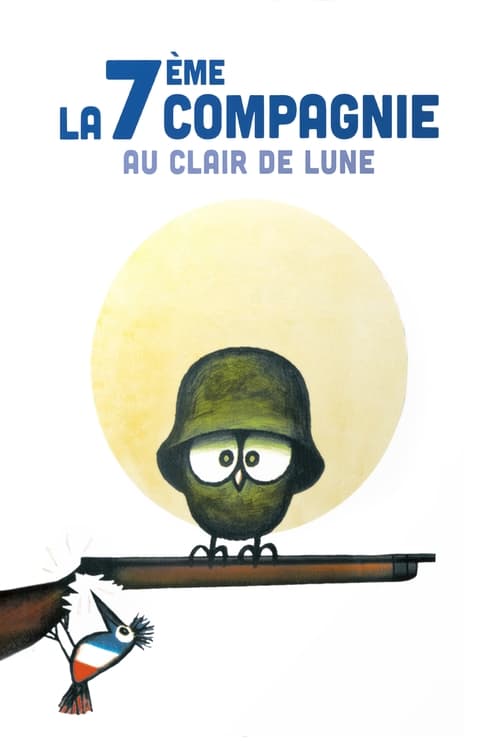
1977
1960

1960
1961
1959
1989
No reviews yet. Be the first to share your thoughts on this movie!
Use the rating form above to leave a star rating and optional review.