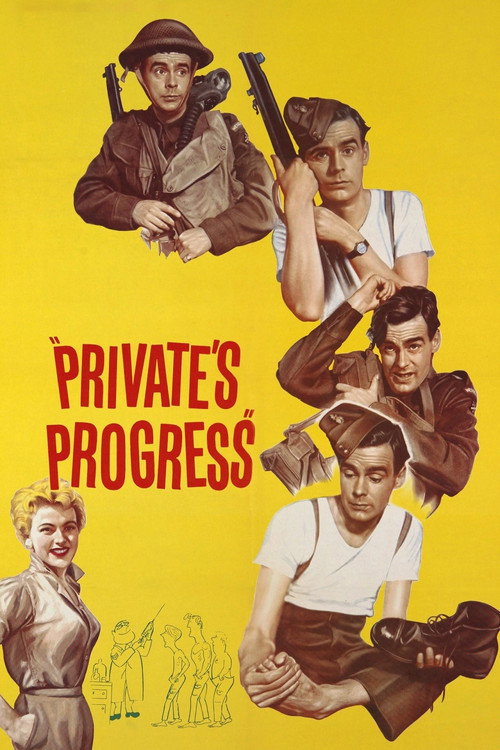
Private's Progress
1956
No user ratings available yet
Representation score: 0.8 out of 10
Representation Score
Limited
1945
ApprovedDirector
Richard Thorpe
Runtime
95 minutes
Average Rating
No ratings yetNew Showbiz Analysis
This wartime comedy serves as a period-typical artifact of the mid-century studio system. It follows a traditional heroic journey that reinforces the social hierarchies of 1945 rather than challenging them. The film's structure relies on established military clichés and conventional character archetypes, prioritizing mainstream entertainment and patriotic sentiment over diverse or nuanced representation. Ultimately, the production operates within the institutional frameworks of its era, maintaining a narrow focus on white, male-dominated wartime narratives.
Category Breakdown
The film adheres to strict mid-century censorship standards and lacks any depiction of non-straight relationships. It focuses on traditional wartime camaraderie between soldiers.
The narrative is heavily male-centric, centered around a corporal and his sidekick. Women likely occupy conventional supporting roles without challenging established power dynamics.
The film reflects the homogeneous casting typical of the 1940s studio system, focusing on a standard white American military experience.
The story reinforces patriotic values and the legitimacy of military service, promoting traditional wartime morality and national identity through its comedic lens.
There is no evidence of characters with disabilities being portrayed with real influence. Physical impairments would likely serve as mere comedic devices or plot catalysts.
Present on Screen
Limited or Absent
Official Synopsis
An Army corporal and his con-man sidekick take a shortcut to heroism in World War II France.
1956
1973

1957
1966
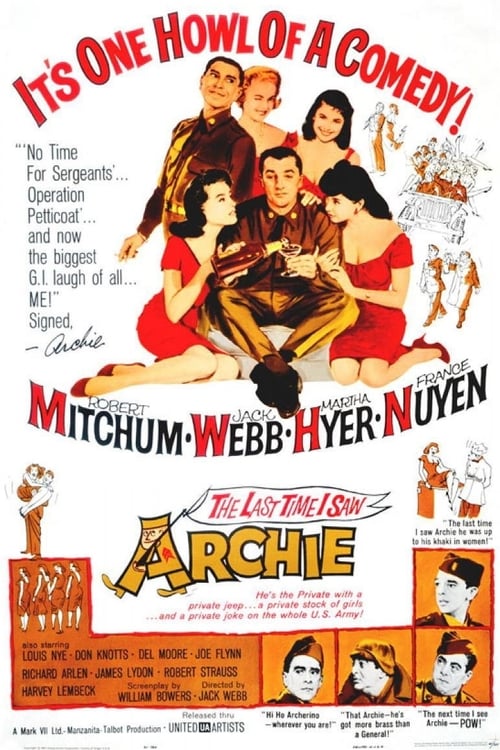
1961
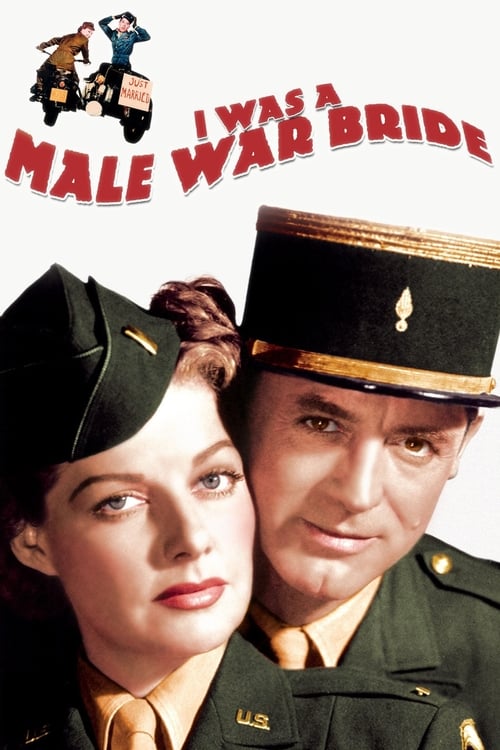
1949
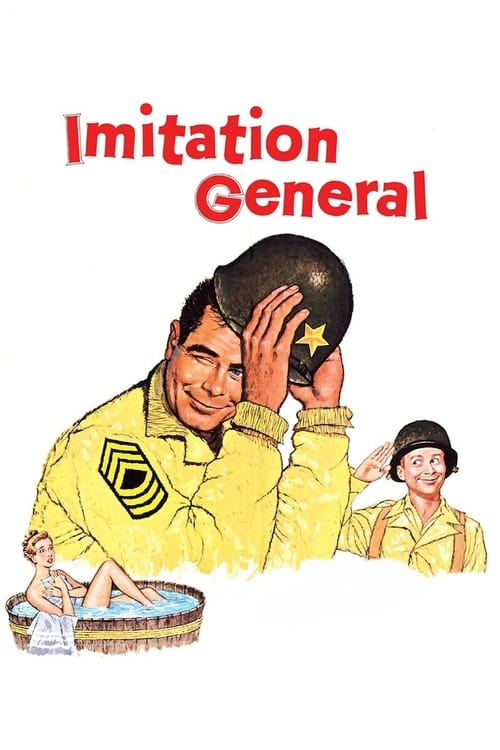
1958
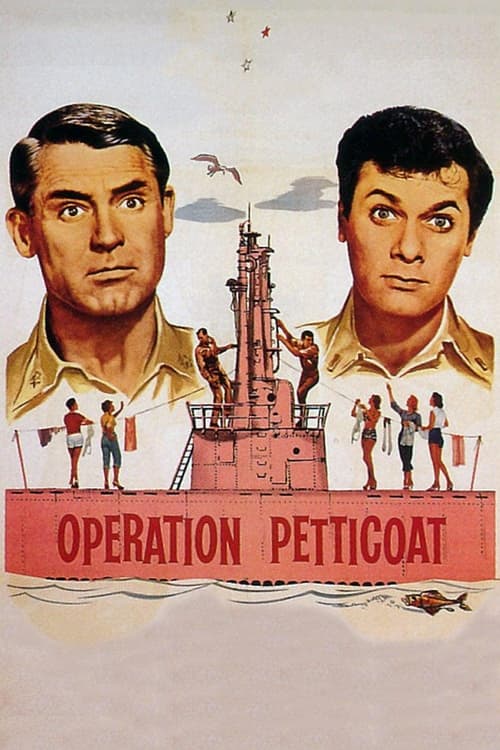
1959
No reviews yet. Be the first to share your thoughts on this movie!
Use the rating form above to leave a star rating and optional review.