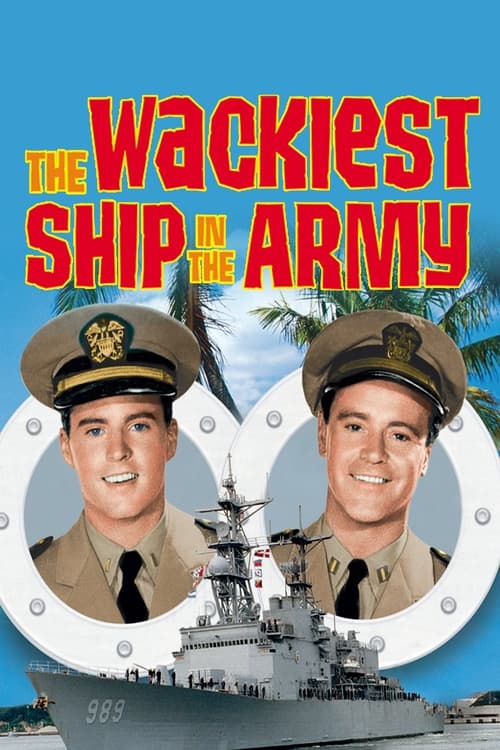
The Wackiest Ship in the Army
1960
No user ratings available yet
Representation score: 1.7 out of 10
Representation Score
Minimal
1968
GDirector
Frank Tashlin
Runtime
92 minutes
Average Rating
No ratings yetNew Showbiz Analysis
The film functions as a traditional mid-century comedy that relies on established archetypes and situational irony. It does not seek to disrupt social expectations, instead using deviations from the norm as comedic obstacles for the male protagonist. Humor is frequently derived from physical appearance and gendered confusion. The narrative maintains a conventional hierarchy, centering on masculine leadership and the management of subordinates within a military framework. Ultimately, the work reflects the period-specific limitations of 1960s Hollywood. It prioritizes established genre clichés and traditionalist values over nuanced character development.
Category Breakdown
The film uses gender non-conformity as a comedic device. A plot point involving six male nurses who were supposed to be female relies on mistaken identity clichés to mock non-traditional roles.
Traditional hierarchies dominate the narrative. Female characters are often used as comedic foils, such as the portrayal of Phyllis Diller as an unattractive woman to drive humor.
The cast is predominantly Anglo-centric. While a Japanese soldier appears, he serves as a source of mystery rather than a character with significant depth or ability to act.
The story adheres to traditional Western wartime narratives. It reinforces 1960s social norms and military structures rather than challenging systemic power or institutions.
There is no documented evidence of characters with visible or invisible disabilities playing a central role in the narrative.
Present on Screen
Limited or Absent
Official Synopsis
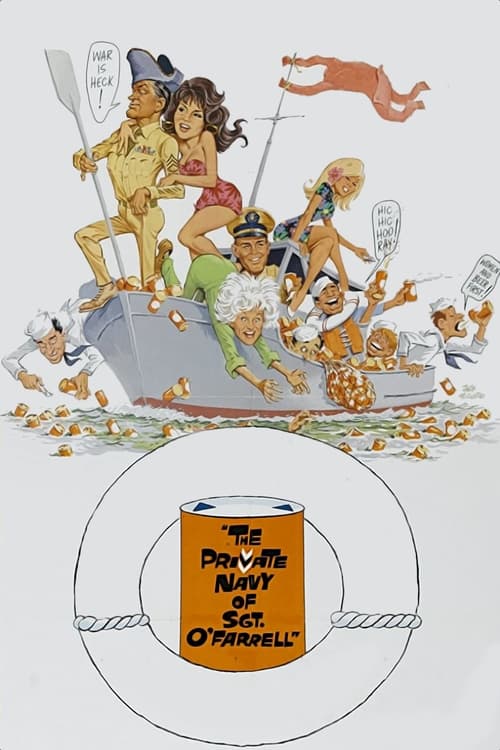
Sgt. O'Farrell an Army soldier on an island in the South Pacific during World War II is trying to bring the two basics of life to his fellow servicemen, women and beer. The supply ship carrying the beer is torpedoed and the contingent of nurses consists of six males and ugly nurse Nellie Krause. If he could at least try to salvage the shipment of beer.
1960
1959
1965

1973

1957

1966
1961
1966
No reviews yet. Be the first to share your thoughts on this movie!
Use the rating form above to leave a star rating and optional review.