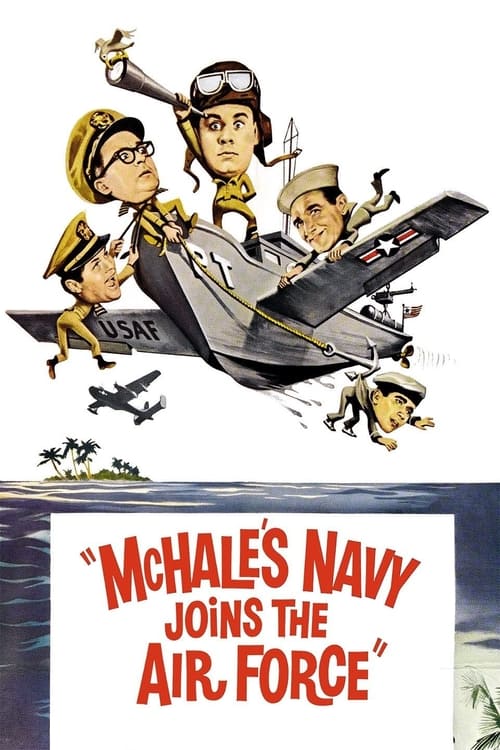
McHale's Navy Joins the Air Force
1965
No user ratings available yet
Representation score: 0.6 out of 10
Representation Score
Minimal
1960
NRDirector
Richard Murphy
Runtime
99 minutes
Average Rating
No ratings yetNew Showbiz Analysis
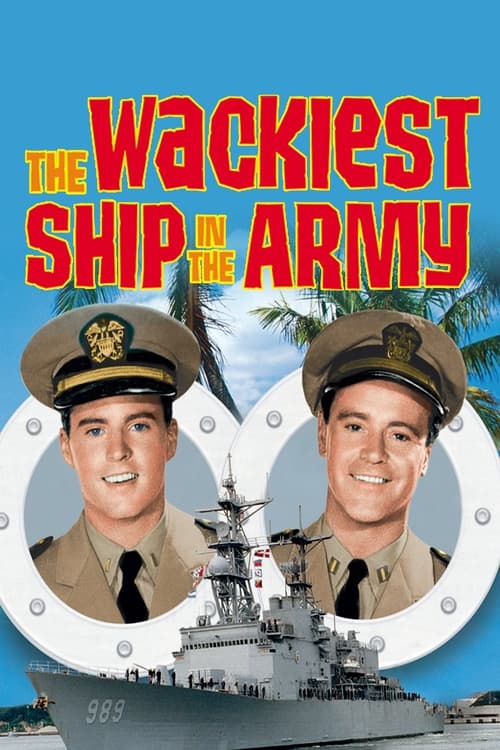
The Wackiest Ship in the Army reflects the social norms of its time, reinforcing mid-century societal structures. It leans heavily on well-established comedic forms and conventional demographic representations, avoiding any subversion of these norms. The film relies on traditional wartime clichés and slapstick humor, favoring escapism that upholds the stability of mid-century gender and institutional norms. It does not challenge these conventions. Overall, the narrative lacks the complexity needed to disrupt traditional power structures, resulting in a highly uniform and conventional depiction of the Allied war effort.
Category Breakdown
The film does not include any visible LGBTQ+ characters or non-straight identities. All romantic relationships are between opposite-sex partners.
The movie emphasizes traditional gender roles. Female characters play important roles in the comedy but are often defined by their romantic interests or exaggerated situations.
The cast is mostly made up of actors from similar backgrounds, reflecting the casting practices of the time. There is a lack of diverse racial perspectives or meaningful blending of cultures.
The film adheres to traditional Western values. It uses religious figures like nuns for comedic purposes, portraying them in a light-hearted and caricatured manner.
There is no detailed or nuanced portrayal of individuals with physical or neurological differences. Humor is derived from general incompetence rather than empowering representation of characters with disabilities.
Present on Screen
Limited or Absent
Official Synopsis
Lieutenant Rip Crandall is hoodwinked into taking command of the "Wackiest Ship in the Navy" – a real garbage scow with a crew of misfits who don't know a jib from a jigger. What none of them knows, including Crandall, is that this ship has a very important top-secret mission to complete in waters patrolled by the Japanese fleet. Their mission will save hundreds of allied lives – if only they can get there in one piece.
1965

1973
1968

1966
1964
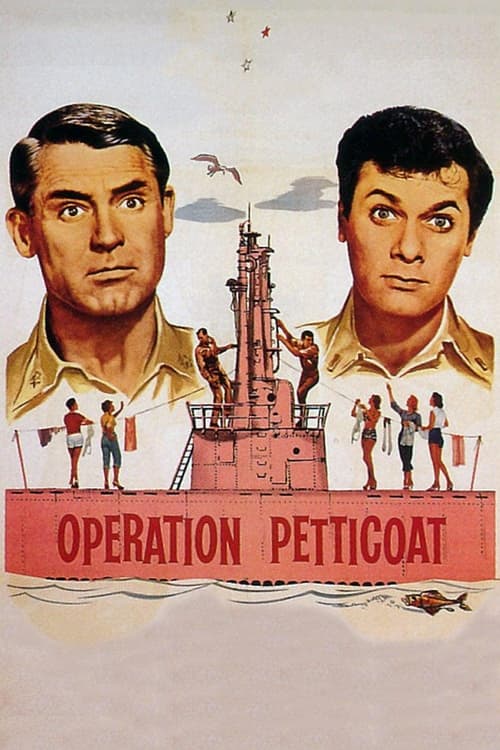
1959

1940
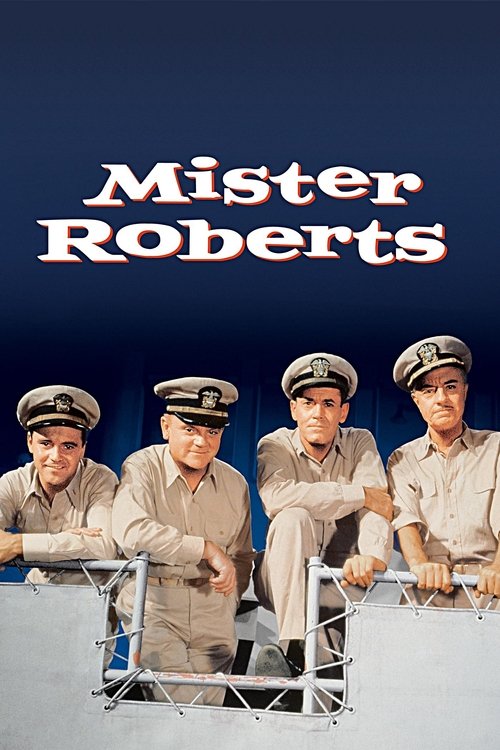
1955
No reviews yet. Be the first to share your thoughts on this movie!
Use the rating form above to leave a star rating and optional review.