
Friends at Arms: Marching Out
1959
No user ratings available yet
Representation score: 1.1 out of 10
Representation Score
Minimal
1961
Director
Sven Methling
Runtime
80 minutes
Average Rating
No ratings yetNew Showbiz Analysis
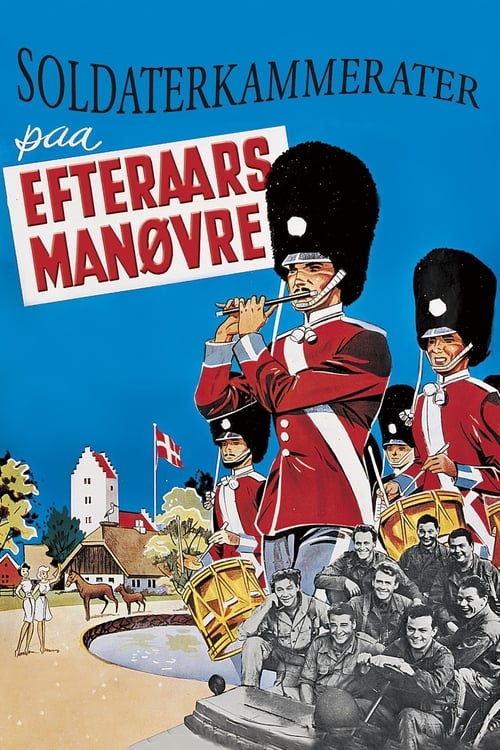
Friends at Arms: On Autumn Exercises reflects the social norms and cultural homogeneity of early 1960s European cinema. The narrative revolves around conventional masculine camaraderie and traditional romantic relationships. The film upholds established social hierarchies, emphasizing military service and traditional bonding. It does not disrupt the gendered or racial norms of the time. Overall, the work celebrates communal identity and traditional roles without offering diverse perspectives.
Category Breakdown
The film focuses on traditional heterosexual relationships and does not include any characters with non-binary gender identities or critiques of heterosexuality.
Men play key roles in driving the plot and serving in the military, while women are primarily shown in supportive or romantic roles. The pursuit of women as a goal highlights traditional views of femininity.
The film likely features a cast that is very homogeneous, typical of Danish cinema from the early 1960s. There is no indication of characters from diverse racial or ethnic backgrounds.
The story emphasizes traditional Western institutions such as the military and national service. It focuses on social unity and community identity without challenging these institutions.
The film does not provide any information about characters with physical or cognitive disabilities.
Present on Screen
Limited or Absent
Official Synopsis
The old comrades are called up for three weeks of autumn maneuvers. They are usually more interested in beer, girls, and cheerful music, but Sergeant Vældegaard is determined to scrape the civilian rust off the "boys." Their old friends from their days as recruits have remained in the system as platoon leaders and sergeants, respectively, but that does not dampen the fun. In the heat of battle, the schoolteacher finds time to flirt with his Lotte Corps colleague Birthe.
1959

1973
1960

1959

1962
1958
1961

1960
No reviews yet. Be the first to share your thoughts on this movie!
Use the rating form above to leave a star rating and optional review.