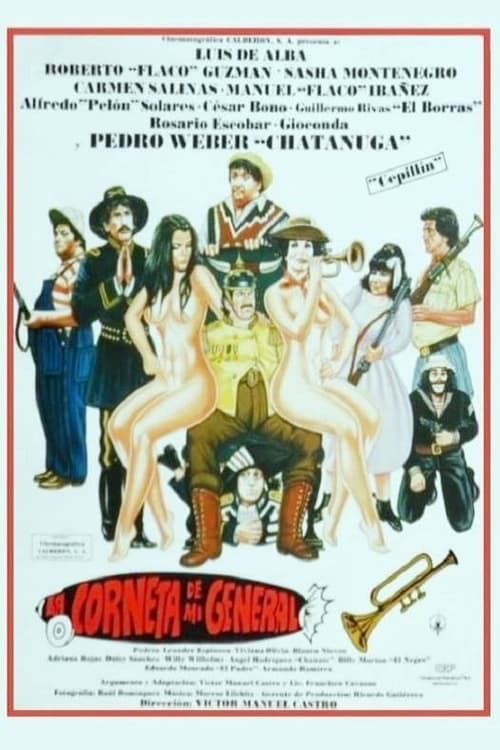
La corneta de mi general
1989
No user ratings available yet
Representation score: 2.3 out of 10
Representation Score
Minimal
1960
13Director
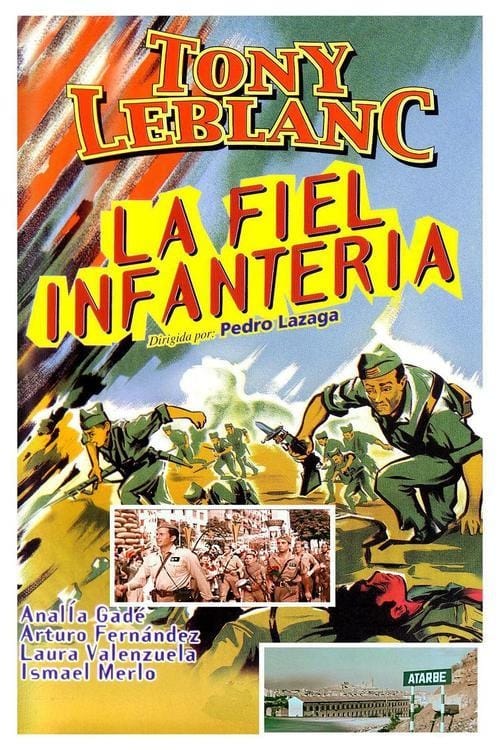
Pedro Lazaga Sabater
Average Rating
No ratings yetNew Showbiz Analysis
La fiel infantería is a product of its time, functioning within the traditionalist framework of 1960s Spanish commercial cinema. As a war comedy, it prioritizes established social hierarchies and conventional morality over narrative subversion. The film reinforces the cultural norms of its era, emphasizing national cohesion and traditional military structures. It offers minimal disruption to the established gender, racial, or cultural status quo of the period. Ultimately, the work serves as a reflection of mid-20th-century mainstream standards, focusing on institutional stability rather than reflecting multiple aspects of identity.
Category Breakdown
The film adheres to strict assumptions that everyone is straight or cisgender, typical of 1960s Spain. There is no evidence of non-binary identities or same-sex relationships.
Gender roles follow traditional hierarchies common to the war comedy genre. The film rarely challenges male leadership or the submissive roles of female characters.
The casting reflects the era's tendency toward homogeneity. There is no indication of a diverse cast that would disrupt the period's demographic status quo.
The narrative focuses on traditional institutions and patriotism. It reinforces conventional social order rather than critiquing Western institutions or promoting moral relativism.
No specific data is available regarding the inclusion or portrayal of characters with physical or neurodivergent disabilities.
Present on Screen
Limited or Absent
1989

1973
1985
1961
1960
1959
1961
1945
No reviews yet. Be the first to share your thoughts on this movie!
Use the rating form above to leave a star rating and optional review.