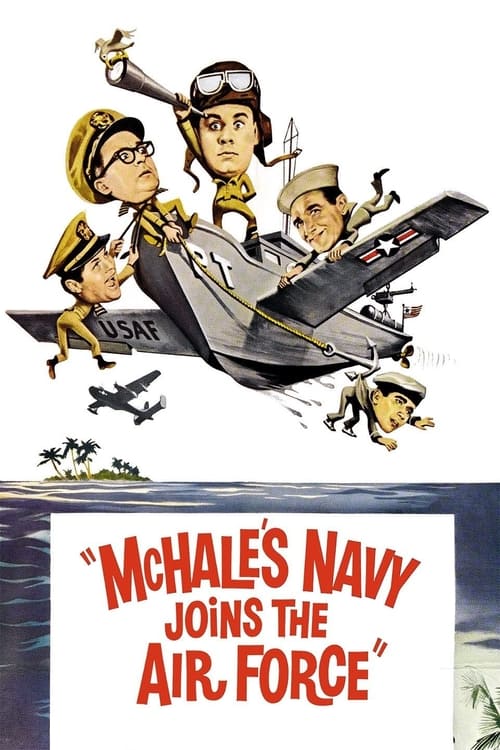
McHale's Navy Joins the Air Force
1965
No user ratings available yet
Representation score: 0.6 out of 10
Representation Score
Limited
1961
ApprovedDirector
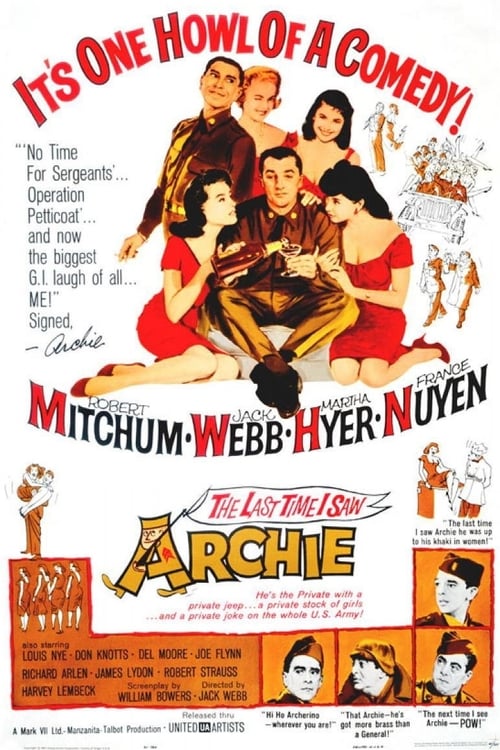
Jack Webb
Runtime
98 minutes
Average Rating
No ratings yetNew Showbiz Analysis
The Last Time I Saw Archie functions as a conventional period comedy centered on mid-century military life. Its narrative structure aligns with the traditional and institutional values of the era and director Jack Webb. The film lacks the multi-layered approach necessary for a higher diversity score. It prioritizes institutional stability and respect for authority over progressive identity politics. Ultimately, the production reflects the homogeneous demographic norms and social constraints of 1961, focusing on male-centric military brotherhood.
Category Breakdown
The film does not include any LGBTQ+ characters or narratives that challenge the assumption that everyone is straight or cisgender. It adheres to the typical portrayal of sexuality in 1961 films.
The story revolves around male friendship and camaraderie in the Air Force. It likely upholds traditional gender roles common in 1960s war comedies.
The casting likely mirrors the homogeneous demographics of the early 1960s. There is no indication of a non-white majority cast.
The narrative emphasizes patriotism and military service within a framework of traditional Western values and respect for institutional structures.
There is no mention of characters with visible or invisible disabilities. No information is available to assess the portrayal of disability.
Present on Screen
Limited or Absent
Official Synopsis
Two Air Force friends have fun during their enlistment.
1965

1973
1958
1959
1959
1961
1945
1960
No reviews yet. Be the first to share your thoughts on this movie!
Use the rating form above to leave a star rating and optional review.