Obsession
1949
No user ratings available yet
Diversity score: 1.7 out of 10
1949
NRDirector
John Berry
Runtime
95 minutes
Average Rating
No ratings yetSynopsis
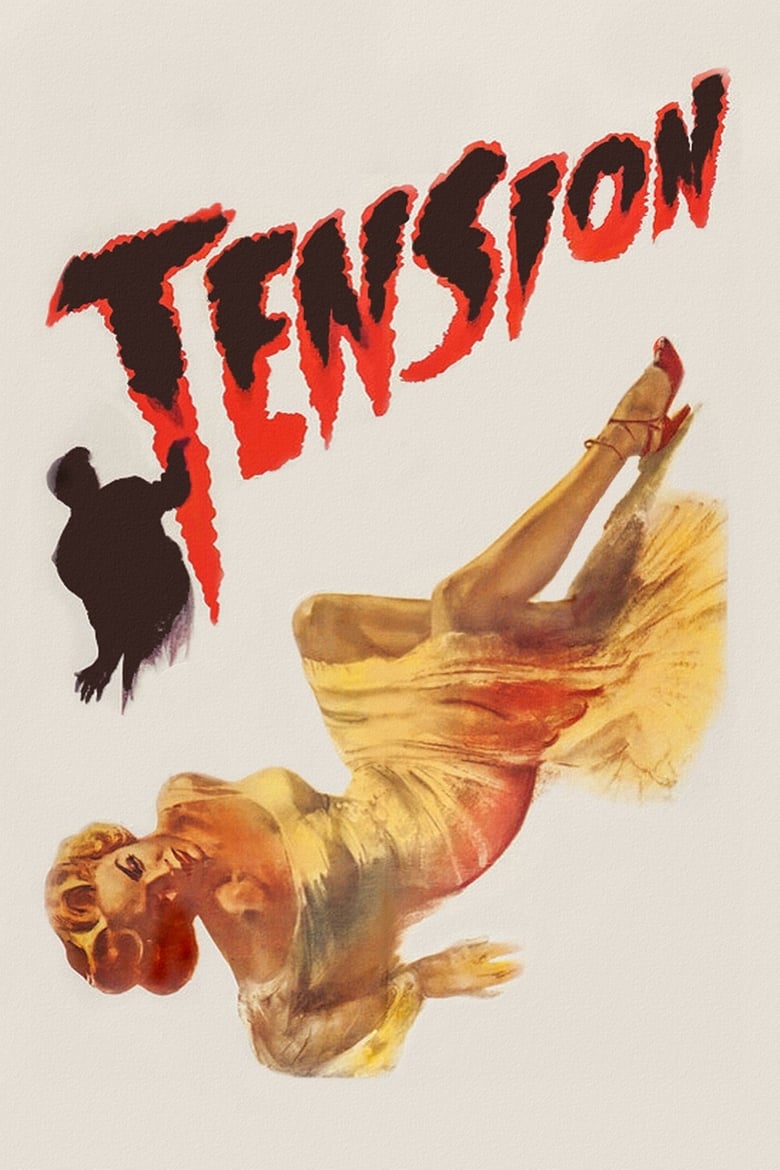
Warren Quimby manages a drugstore while trying to keep his volatile wife, Claire, happy. However, when Claire leaves him for a liquor store salesman, Warren can no longer bear it. He decides to assume a new identity in order to murder his wife's lover without leaving a trace. Along the way, his plans are complicated by an attractive neighbor, as well as a shocking discovery that opens up a new world of doubts and accusations.
Overall Score
Minimal
Category Breakdown
LGBTQ+ Representation
The film adheres strictly to the heteronormative social structures of the late 1940s. There is no evidence of non-cisnormative gender identities or same-sex intimacy.
Gender Representation
The narrative is driven by the male protagonist's psychological volatility and agency. Female characters primarily function as catalysts for his instability or subjects of domestic dissatisfaction.
Racial & Ethnic Diversity
The cast is predominantly homogeneous, reflecting the cinematic standards of 1949. The narrative lacks characters of color in roles of high agency.
Religious & Cultural Diversity
The film focuses on individual morality and paranoia rather than systemic critique. It lacks the subjective morality or secularist prioritization found in more progressive works.
Disability Representation
There is no discernible representation of physical, sensory, or neurodivergent disabilities. The protagonist's psychological tension is treated as a character trait rather than a disability.
Strengths
Areas for Improvement
AI Analysis
Tension is a quintessential product of its era, functioning as a standard psychological thriller within the established norms of 1940s noir. The story centers on a male protagonist's descent into crime and paranoia, reinforcing traditional mid-century gender hierarchies. The film lacks intersectional complexity and does not seek to challenge existing social hierarchies. It presents a largely Anglo-Saxon social environment as the default norm, adhering to the period's standard casting and storytelling tropes. Ultimately, the production focuses on individual culpability and the tension between the individual and the law, offering little disruption to conventional expectations of race, gender, or identity.
1949
1950
1967
1948
1947
1956
1948
1964

1946
1960
1957

1958
No reviews yet. Be the first to share your thoughts on this movie!
Use the rating form above to leave a star rating and optional review.