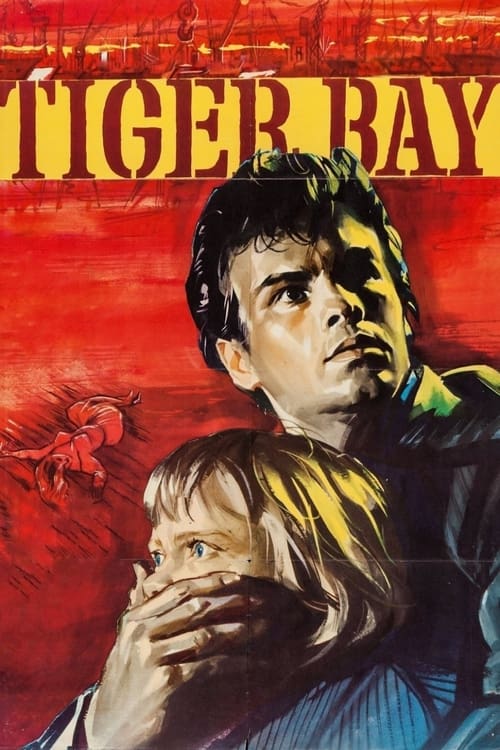
Tiger Bay
1959
No user ratings available yet
Diversity score: 6.2 out of 10
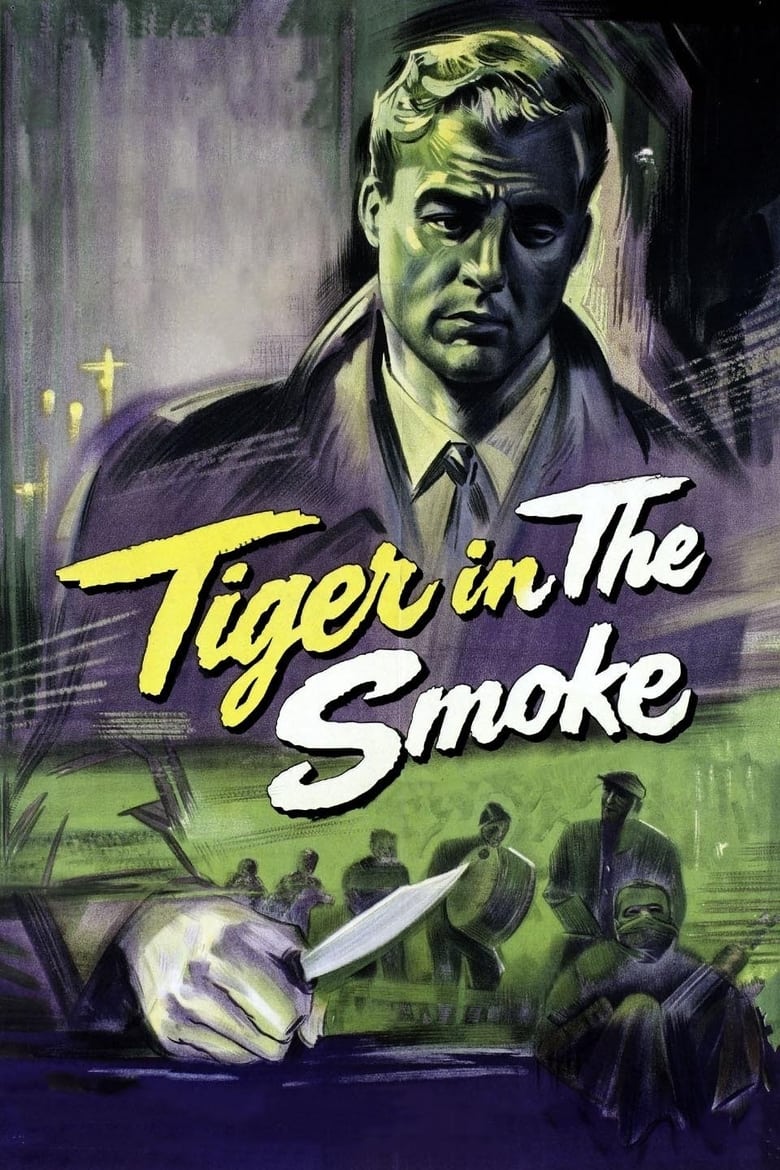
1956
Director
Roy Ward Baker
Runtime
94 minutes
Average Rating
No ratings yetSynopsis
In wartime, a young officer is killed during a raid to kill a German general at the house that used to belong to his grandmother. Before he dies he talks about a treasure that was hidden there. Several years later, the members of that group are still together as a street band living in a cellar. The last of the gang, who was chosen for his skills as a ruthless killer, escapes from prison in a rampage of killing and, obsessed with the treasure, takes the gang to France to recover it.
Overall Score
Fair
Category Breakdown
LGBTQ+ Representation
The film adheres to mid-century cinematic standards by focusing on heteronormative romantic tensions. There is no discernible presence of non-cisnormative identities or narratives that challenge traditional social frameworks.
Gender Representation
Women often function as catalysts for male conflict through the 'femme fatale' trope. While female characters are central to the plot, they frequently lack autonomy, operating within traditional noir dynamics.
Racial & Ethnic Diversity
The film disrupts Anglo-centric norms by centering its narrative within London’s Chinatown. By utilizing a predominantly Chinese cast, it provides significant visibility for the immigrant experience uncommon for the era.
Religious & Cultural Diversity
The story explores the friction between immigrant communities and Western urban structures. However, it focuses on individual survival and criminal obsession rather than a systemic critique of religion or capitalism.
Disability Representation
There are no prominent depictions of visible or invisible disabilities that serve as central character drivers in the narrative.
Strengths
Areas for Improvement
AI Analysis
Tiger in the Smoke stands out for its era-specific departure from homogeneous British casting. By centering the story in Chinatown with a predominantly Chinese cast, it offers a level of ethnic agency and visibility that was rare in 1956. However, the film remains tethered to mid-century genre conventions. It relies heavily on traditional noir archetypes, particularly regarding gender, where women are often positioned as tools for male-driven plots rather than independent actors. Ultimately, while the film provides a meaningful look at immigrant social structures, it lacks progressive social commentary or a deconstruction of the institutions surrounding these communities.
1959
1947

1950
1948
1949
1948
1953
1949
1967
1950
1960
1951
No reviews yet. Be the first to share your thoughts on this movie!
Use the rating form above to leave a star rating and optional review.