Escape in the Fog
1945
No user ratings available yet
Representation score: 2.7 out of 10
Representation Score
Limited
1948
NRDirector
Budd Boetticher
Runtime
62 minutes
Average Rating
No ratings yetNew Showbiz Analysis
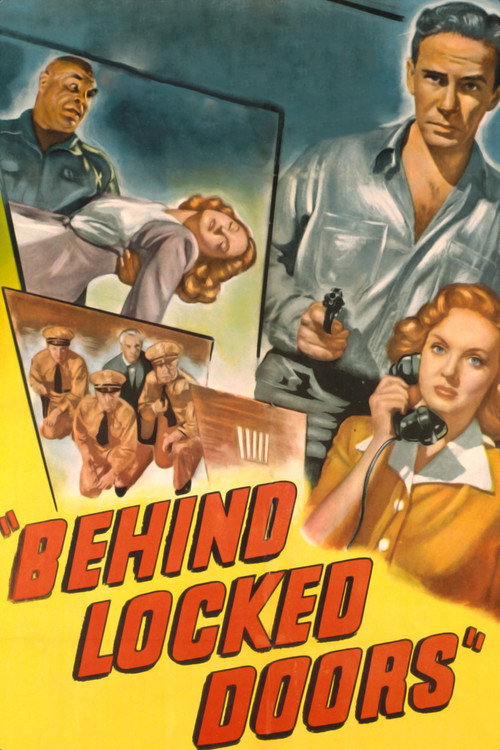
Behind Locked Doors is a mid-century crime thriller that prioritizes genre clichés over social exploration. The plot follows a classic investigative structure where a detective infiltrates a corrupt institution to expose a crooked official. The film adheres strictly to the cinematic conventions of 1948. It relies on established formulas, such as the rogue investigator and the resourceful reporter, to drive its narrative mechanics. Ultimately, the work focuses on individual morality and legal subversion. It does not attempt to disrupt social hierarchies or provide nuanced representations of identity.
Category Breakdown
The film doesn't include any LGBTQ+ identities. The main relationship between the detective and reporter follows traditional romantic pairings of the time.
Kathy Lawrence plays a significant role as an investigative liaison. However, her character is primarily tied to the male protagonist's goals, suggesting she is a supporting figure.
The story centers on political and legal conflicts. It reflects the homogeneous social structures typical of 1940s Hollywood without any indication of diverse casting.
The story critiques individual corruption within a legal framework. It functions as a standard crime thriller rather than a systemic critique of Western institutions.
Mental health is used as a plot device for criminal deception. The film treats insanity as a tool for a character to evade justice rather than exploring neurodivergence.
Present on Screen
Limited or Absent
Official Synopsis
Behind the locked doors of a mental institution resides crooked politico Judge Drake, free from prosecution so long as he pretends to be crazy. To get the goods on Drake, private detective Ross Stewart has himself committed to the asylum as a patient. Meanwhile, reporter Kathy Lawrence, posing as Stewart's wife, acts as his liaison to the outside world.
1945
1963
1953
1964

1950
1946
1951
1950
No reviews yet. Be the first to share your thoughts on this movie!
Use the rating form above to leave a star rating and optional review.