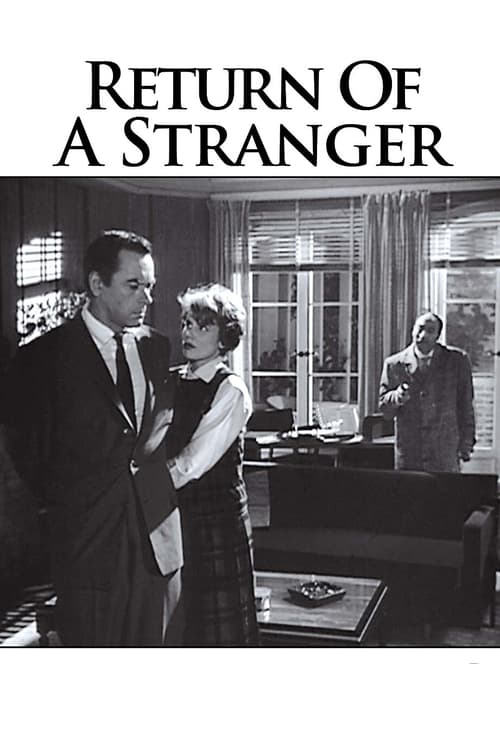
Return of a Stranger
1961
No user ratings available yet
Representation score: 0.8 out of 10
Representation Score
Minimal
1949
NRDirector
Edward Dmytryk
Runtime
96 minutes
Average Rating
No ratings yetNew Showbiz Analysis
Obsession is a psychological melodrama deeply rooted in the traditional storytelling conventions of the late 1940s. It prioritizes individual moral struggles and psychological tension over any exploration of systemic or identity-based issues. The film lacks multi-layered complexity, presenting a demographic landscape that is nearly homogeneous. While it offers a minor subversion of gender norms through the depiction of infidelity, it ultimately upholds the social hierarchies of its era. Ultimately, the work functions as a product of its historical context, reinforcing mid-century social mores rather than challenging them.
Category Breakdown
The film does not include any LGBTQ+ characters or non-assuming gender matches what was assigned at birth identities. Romantic tensions are presented within the confines of heterosexual relationships.
The female protagonist takes a significant role in driving the story by pursuing an affair outside her marriage. However, the story serves as a cautionary tale about the consequences of straying from marital stability.
The cast and setting are predominantly white, reflecting the demographic homogeneity typical of mid-century studio productions. There is no indication of non-Anglo-Saxon perspectives.
The narrative adheres to a traditional 1940s moral framework. It portrays the collapse of institutions such as the nuclear family as a personal tragedy rather than a systemic issue.
The film does not depict any visible or invisible disabilities. There are no characters whose identities are defined by neurodivergence or physical impairment.
Present on Screen
Limited or Absent
Official Synopsis
A British psychiatrist devises a devilish revenge plot against his wife's lover.
1961
1950
1949

1948
1950
1947

1957
1950
No reviews yet. Be the first to share your thoughts on this movie!
Use the rating form above to leave a star rating and optional review.