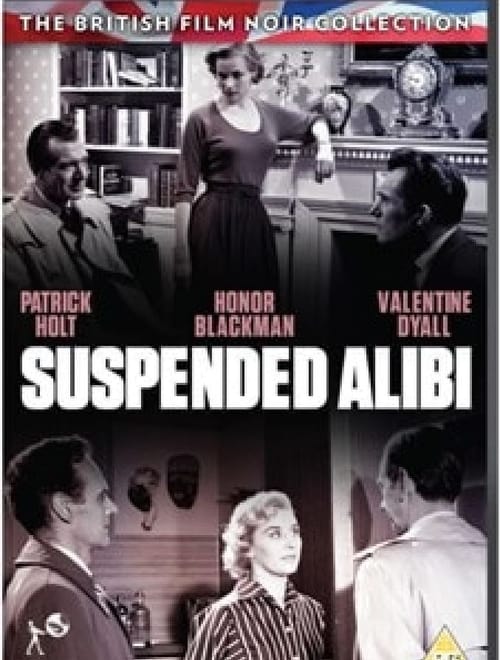
Suspended Alibi
1957
No user ratings available yet
Representation score: 1.1 out of 10
Representation Score
Minimal
1950
NRDirector
Ken Annakin
Runtime
86 minutes
Average Rating
No ratings yetNew Showbiz Analysis
Double Confession is a conventional mid-century crime thriller that adheres to the restrictive social and cinematic paradigms of 1950s British filmmaking. The narrative is built upon traditional clichés of domestic betrayal and legal culpability, driven primarily by male control over the story. The film reinforces traditional gender roles and structures, positioning women as passive objects rather than active participants in the plot. Ultimately, the work functions as a standard genre piece, lacking the complexity or disruption of social hierarchies found in more contemporary cinema.
Category Breakdown
The film focuses on a heterosexual marital conflict between the protagonist and his estranged wife. There are no non-cisgender identities or LGBTQ+ characters present in the narrative.
The plot centers on a male protagonist's struggle against criminals. The female character serves as a passive victim whose death acts as a catalyst for the male lead.
Reflecting the homogeneous casting standards of 1950s British cinema, the film lacks evidence of a diverse ensemble. It appears to follow the traditional, non-diverse representation typical of the era.
The story utilizes Western legal and family frameworks to drive its mystery. It does not appear to critique these institutions, focusing instead on the restoration of social order through police intervention.
There is no information available regarding the inclusion of characters with physical or neurodivergent disabilities within the film.
Present on Screen
Limited or Absent
Official Synopsis
The hero discovers his estranged wife dead and tries to frame her lover for the murder. He becomes involved with the criminals who make various unsuccessful attempts on his life while the police clear up the mystery.
1957
1950
1949

1948
1947
1944
1948

1949
No reviews yet. Be the first to share your thoughts on this movie!
Use the rating form above to leave a star rating and optional review.