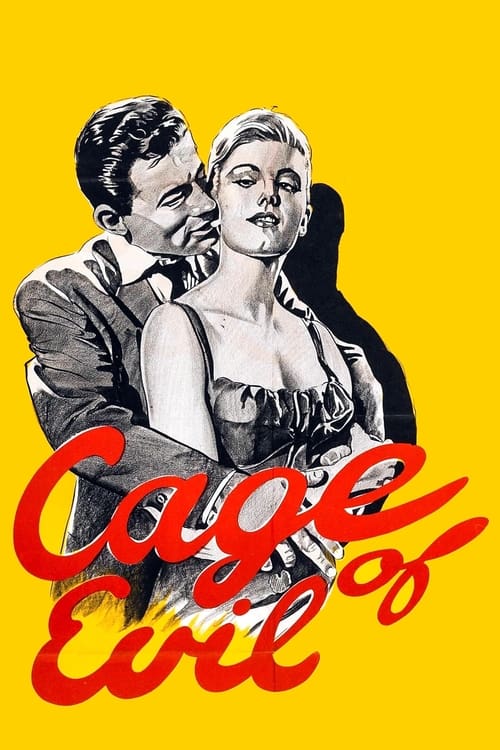
Cage of Evil
1960
No user ratings available yet
Representation score: 2.1 out of 10

Representation Score
Minimal
1960
ApprovedDirector
Hubert Cornfield
Runtime
79 minutes
Average Rating
No ratings yetNew Showbiz Analysis
The film operates as a conventional mid-century crime thriller, adhering strictly to the genre clichés of its era. While the female protagonist drives the plot, her role is framed through greed and jealousy rather than systemic empowerment. The narrative lacks complexity in reflecting multiple aspects of diversity, offering no representation of LGBTQ+ identities or diverse racial and ethnic backgrounds. It functions as a standard character study of personal transgression within a likely homogeneous social setting. Ultimately, the film provides a narrow view of human experience, focusing on interpersonal conflict.
Category Breakdown
The film centers on a heterosexual relationship and jealousy. It does not include any non-binary gender identities or narratives that question the assumption that everyone is straight or cisgender.
Marian Forbes drives the plot through manipulation and orchestration. However, her role relies on traditional femme fatale clichés rather than challenging gender hierarchies.
The narrative lacks any mention of racial or ethnic diversity. The focus suggests a homogeneous cast typical of mid-century Western crime dramas.
The story uses moral ambiguity and individual transgressions as a backdrop. It does not explicitly critique Western institutions, capitalism, or religion.
There is no evidence regarding the inclusion of characters with physical, neurodivergent, or mental health disabilities.
Present on Screen
Limited or Absent
Official Synopsis
Marian Forbes has been having an affair with her boss and when he drops her for another woman. In an act of jealousy and greed she convinces an acquaintance to murder her former lover and then impersonate him just long enough to get their hands on a large sum of money.
1960
1964
1957
1950
1957

1958

1952
1954
No reviews yet. Be the first to share your thoughts on this movie!
Use the rating form above to leave a star rating and optional review.