D.O.A.
1949
No user ratings available yet
Representation score: 2.6 out of 10
Representation Score
Minimal
1946
NRDirector
Robert Montgomery
Runtime
105 minutes
Average Rating
No ratings yetNew Showbiz Analysis
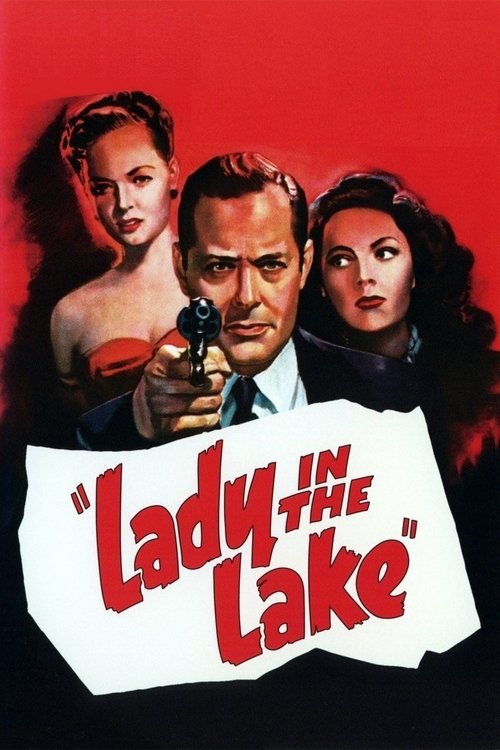
Lady in the Lake is a landmark of formalist experimentation, yet its social landscape remains deeply traditional. The film's unique first-person subjective cinematography forces the audience into a male-centric perspective, reinforcing existing gender hierarchies rather than challenging them. The narrative adheres to the mid-century status quo, focusing on individualistic detective work. It lacks meaningful racial, ethnic, or LGBTQ+ representation, functioning as a study of a homogeneous social environment. While technically innovative, the film does not challenge identity politics. It maintains a conventional moral order and relies on established archetypes that prioritize the male protagonist's control over diverse social perspectives.
Category Breakdown
The film does not feature any LGBTQ+ characters or identities that challenge the assumption that everyone is straight or cisgender. The interpersonal dynamics revolve around heterosexual relationships typical of the noir genre.
Female characters are primarily portrayed through the male gaze, emphasized by the first-person point of view. Despite Adrienne Fromsett holding professional authority, the narrative relies on clichéd roles like the femme fatale and damsel in distress.
The cast is predominantly homogeneous, reflecting the 1946 studio system. There is a lack of meaningful racial or ethnic diversity within the mid-century American setting.
The story operates within a traditional Western framework emphasizing individualist morality. It reinforces a conventional moral order rather than critiquing capitalism or religious institutions.
There is no visible or invisible disability representation. No characters are depicted with neurodivergence, physical disabilities, or chronic illnesses.
Present on Screen
Limited or Absent
Official Synopsis
Private eye Phillip Marlowe wants to get out of the detective racket and into crime writing. But when he's called to the office of editor Adrienne Fromsett, it's not to talk about his story ideas — she wants him to locate the missing wife of her boss, Mr. Kingsby. The assignment quickly becomes complicated when bodies start turning up.
1949
1944

1946
1948
1947
1948
1947

1944
No reviews yet. Be the first to share your thoughts on this movie!
Use the rating form above to leave a star rating and optional review.