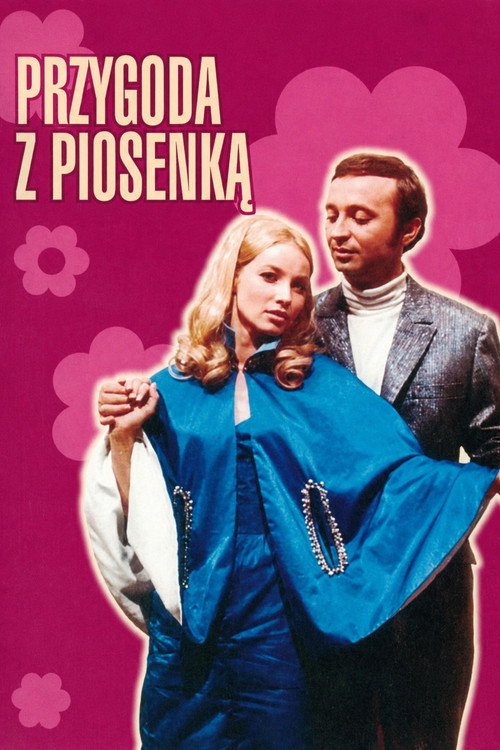
Adventure with a Song
1969
No user ratings available yet
Diversity score: 3.9 out of 10
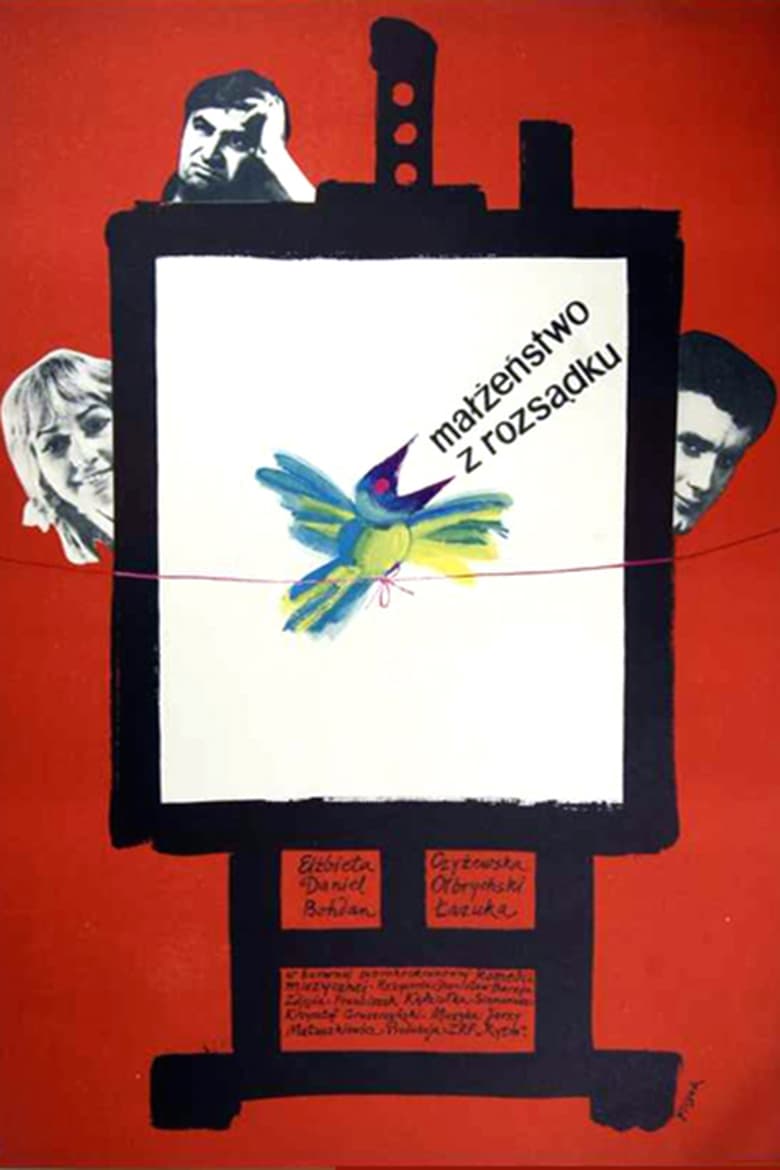
1967
Director
Stanisław Bareja
Runtime
90 minutes
Average Rating
No ratings yetSynopsis
Małżeństwo z rozsądku ("Marriage of Convenience") is a Polish musical comedy from 1966 directed by Stanisław Bareja.
Overall Score
Fair
Category Breakdown
LGBTQ+ Representation
The film focuses on a traditional romantic conflict between Joanna and Andrzej. There is no evidence of queer narratives or non-heteronormative identities within the story.
Gender Representation
Kazimierz acts as the primary decision-maker, though his motivations are driven by material greed rather than traditional patriarchal virtues. Joanna serves as the plot's catalyst, though her agency is contested by her father.
Racial & Ethnic Diversity
The setting and production context suggest a homogeneous cast reflecting the era's demographic reality. No evidence of intersectional racial blending or non-Slavic casting is present.
Religious & Cultural Diversity
The narrative offers a sharp critique of class mobility and social status. It highlights the friction between individual authenticity and the corrupt, materialist impulses of the merchant class.
Disability Representation
The narrative does not feature characters with visible or invisible disabilities.
Strengths
Areas for Improvement
AI Analysis
The film functions primarily as a social satire, using comedy to deconstruct class hierarchies and the transactional nature of status. Its strength lies in its cultural critique of systemic corruption and the struggle of the individual against rigid social structures. However, the film lacks intersectional depth. The representation is limited by the homogeneous demographic of 1967 Poland, offering little in the way of racial, LGBTQ+, or disability diversity. Ultimately, the work is a study of socioeconomic tension rather than a diverse tapestry of identities, making it a culturally significant but demographically narrow piece of cinema.
1969
1978
1964
1970
1955

1964
1970

2007

1965
1985
2001
1933
No reviews yet. Be the first to share your thoughts on this movie!
Use the rating form above to leave a star rating and optional review.