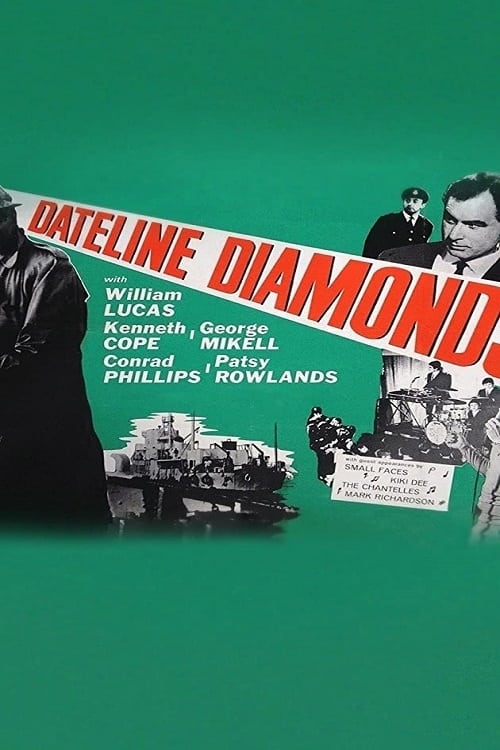
Dateline Diamonds
1965
No user ratings available yet
Representation score: 2.1 out of 10
Representation Score
Minimal
1965
GDirector
Jeremy Summers
Runtime
88 minutes
Average Rating
No ratings yetNew Showbiz Analysis
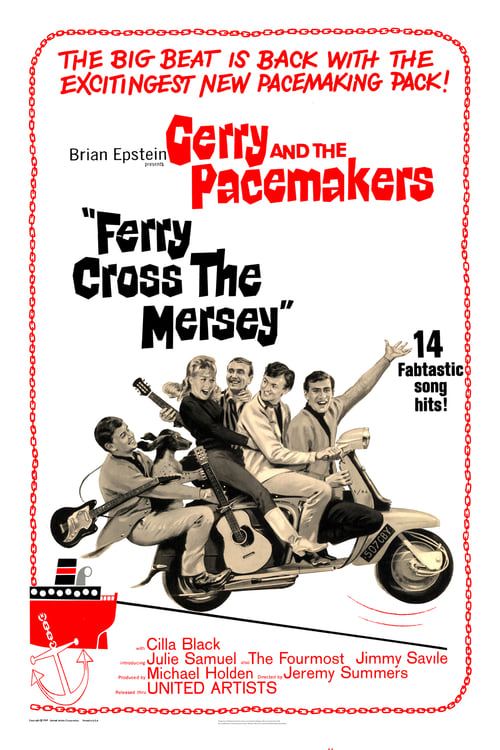
Ferry Cross the Mersey acts as a cultural snapshot of the 1960s British music scene. The film celebrates the Liverpool Beat movement while adhering to the social norms of its time. Its narrative structure emphasizes traditional social hierarchies and demographic uniformity, fitting the standards of 1960s cinema. While it provides a glimpse into the working-class life of the era, it does not challenge established norms or incorporate diverse identities.
Category Breakdown
The film does not include any LGBTQ+ characters or explore non-straight relationships, sticking to traditional heterosexual norms.
The film portrays traditional gender roles from the mid-1960s, where female characters have limited influence compared to male protagonists.
The cast is mainly composed of white actors, reflecting the demographics of 1960s Liverpool. The production focuses on the Anglo-Saxon culture of the time.
The film captures the socioeconomic struggles and daily life of working-class Liverpool during the 1960s. However, it upholds conventional social norms without challenging systemic issues.
The film does not feature any characters with visible or invisible disabilities, nor does it address neurodivergence or disability as a central theme.
Present on Screen
Limited or Absent
Official Synopsis
Gerry and Fred Marsden, Les McGuire, and Les "Chad" Chadwick portray themselves in a romp through the early-1960s Liverpool Beat Scene. Art students by day and musicians by night, the boys' big break comes by winning a local talent contest. But first, they must retrieve their instruments, which have been mistakenly carried to the airport.
1965
1963
1966
1978
1970

1973
1978
1966
No reviews yet. Be the first to share your thoughts on this movie!
Use the rating form above to leave a star rating and optional review.