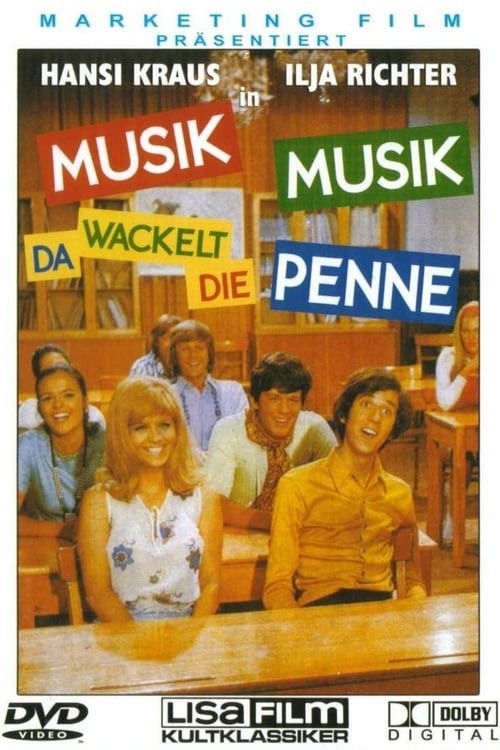
Musik, Musik - da wackelt die Penne
1970
No user ratings available yet
Representation score: 1.8 out of 10
Representation Score
Limited
1955
Director
Elmar Klos, Ján Kadár
Runtime
0 minutes
Average Rating
No ratings yetNew Showbiz Analysis
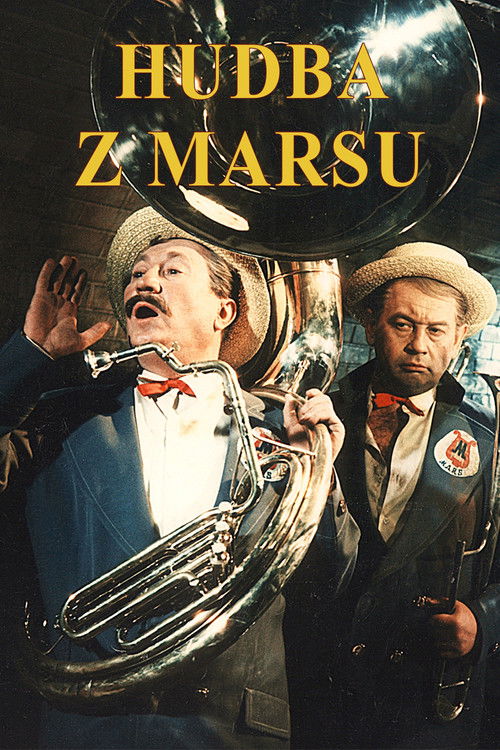
Hudba z Marsu is a mid-century Czechoslovakian comedy that prioritizes communal social dynamics over individual identity representation. The narrative follows furniture company employees as they transform a boast into a thirty-piece orchestra. The film's diversity is heavily shaped by its 1955 production context. It focuses on regional workplace interactions and the shared experience of workers rather than multicultural or perspectives that reflect multiple aspects of identity. While the film explores the democratization of art, it lacks visible evidence of diverse racial, gender, or LGBTQ+ identities, reflecting the era's traditional narrative structures.
Category Breakdown
The film does not include any explicit LGBTQ+ characters or non-straight relationships. The story revolves around a musical ensemble at a workplace.
The story centers on the employees of a furniture company, but specific gender roles are not detailed. The mid-century industrial setting suggests traditional social structures.
Produced in 1955 Czechoslovakia, the film likely features a homogeneous cast. The plot focuses on regional social dynamics within a local business.
Themes emphasize collective action and the democratization of art through a worker-led orchestra. This reflects a focus on communal achievement and social cohesion.
There is no information regarding the inclusion of characters with visible or invisible disabilities in this production.
Present on Screen
Limited or Absent
Official Synopsis
The employees of the furniture company MARS welcome a rare visitor with hired music. Their boast that they would put together an orchestra is taken seriously, so they receive a small gift - musical instruments for thirty musicians.
1970
1969

1955
1978
1964

1955
1970
1957
No reviews yet. Be the first to share your thoughts on this movie!
Use the rating form above to leave a star rating and optional review.