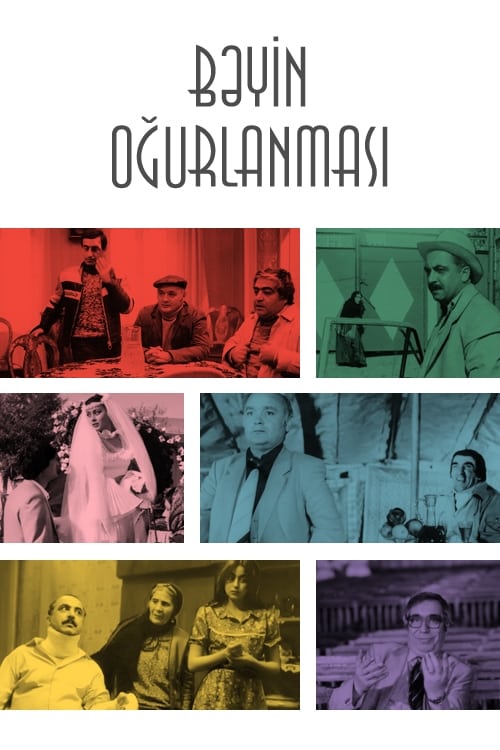
The Kidnapping of Groom
1985
No user ratings available yet
Diversity score: 5.5 out of 10
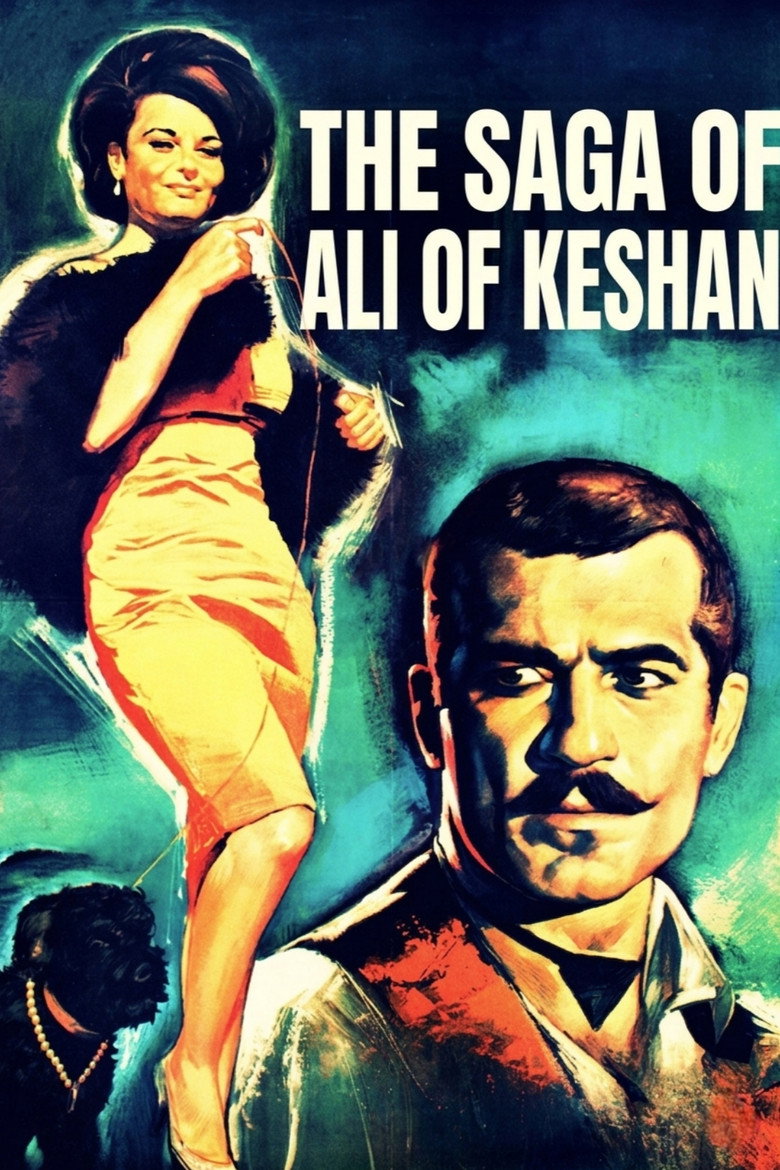
1964
Director
Atıf Yılmaz
Runtime
86 minutes
Average Rating
No ratings yetSynopsis
The film tells the story of a legendary folk hero from the outskirts of the city. Ali is imprisoned on charges of killing Ihsan, one of the troublemakers of Sineklidağ. During his time in prison, his name becomes legendary in Sineklidağ. When a general amnesty is declared, Ali is released. However, his girlfriend Zilha, who is İhsan's niece, is not interested in him. Ali cannot convince Zilha that he did not kill her uncle İhsan. Finally, he decides to use the legend that has grown around his name.
Overall Score
Fair
Category Breakdown
LGBTQ+ Representation
The film centers on heteronormative romantic tension between Ali and Zilha. There is no explicit depiction of queer identities or subtext within the narrative.
Gender Representation
Zilha subverts traditional tropes by exercising significant agency. She rejects Ali based on her own moral compass rather than acting as a passive romantic prize.
Racial & Ethnic Diversity
The cast is ethnically homogeneous, reflecting the local folklore focus of the Turkish film industry. It explores regional identity through the city and outskirts dichotomy.
Religious & Cultural Diversity
The story critiques how social structures manufacture truth through legends. It uses the town of Sineklidağ to examine systemic dysfunction and traditional authority.
Disability Representation
The narrative contains no prominent depictions of physical or neurodivergent disabilities that serve as central character traits.
Strengths
Areas for Improvement
AI Analysis
The film offers a nuanced look at social dynamics by deconstructing the concept of the folk hero. While it lacks modern intersectional markers, it succeeds in providing a female lead with genuine autonomy and agency. Its strength lies in its critique of systemic power and the performative nature of social status. However, the film remains limited by the era's cinematic norms, particularly regarding LGBTQ+ representation and ethnic diversity. Ultimately, it is a culturally specific work that uses local folklore to examine the friction between tradition and social truth.
1985

2023

1995
1955

1965
1978
1970
1954
1966

1979

1965
1958
No reviews yet. Be the first to share your thoughts on this movie!
Use the rating form above to leave a star rating and optional review.