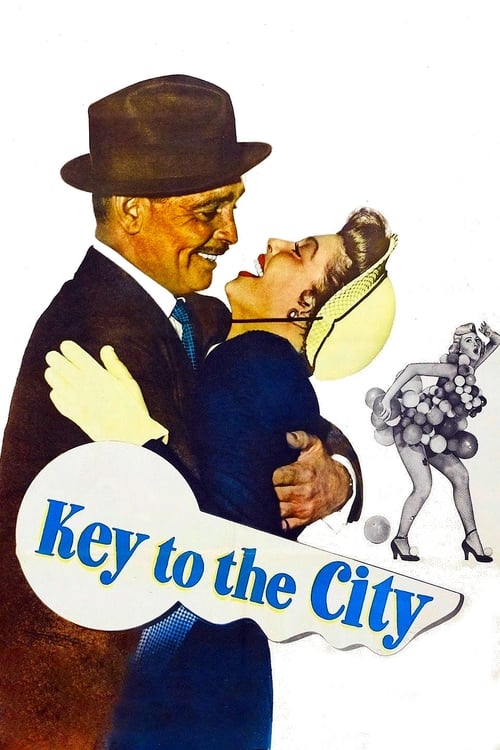
Key to the City
1950
No user ratings available yet
Representation score: 0.4 out of 10

Representation Score
Minimal
1944
ApprovedDirector
Charles Vidor
Runtime
93 minutes
Average Rating
No ratings yetNew Showbiz Analysis
Together Again is a classic example of 1940s Hollywood cinema. It presents a light-hearted romantic comedy that upholds the social norms and cultural standards of its time. Although the film introduces a female protagonist in a position of civic leadership, the narrative remains tied to traditional romantic resolutions. The lack of racial, LGBTQ+, or disability representation mirrors the limited scope of the era’s filmmaking. Overall, the film prioritizes restoring social and domestic order over any exploration of individual or professional autonomy.
Category Breakdown
The film focuses solely on traditional heterosexual relationships. It does not include any characters with non-straight or non-cisgender identities.
Anne Crandall, the mayor, plays a significant role in the story but her professional achievements take a backseat to her romantic life. The plot emphasizes traditional domestic happiness.
The cast and setting are predominantly white and upper-middle class. Characters of color have little to no ability to act in the story.
The story promotes traditional Western values such as family stability and social norms. It serves as an escape from real-world issues rather than a critique of societal structures.
There are no characters with visible or invisible disabilities. Disability is not used as a narrative device in the film.
Present on Screen
Limited or Absent
Official Synopsis
Anne Crandall is the mayor of a small town in Vermont. Her deceased husband had been the mayor for years and when he died, she was left to carry on and to raise his daughter from his first marriage. She lives with the daughter, her father-in-law and a housekeeper. In the town square, there was a statue of her late husband and every year since his death, they have an anniversary celebration there. This year during a thunderstorm, the statue is hit by lightning and the head falls off. The daughter insists that a new statue be erected instead of patching the old one. Mayor Crandall is sent to New York to interview the prospective sculptor, George Corday.
1950
1963
1947
1940

1950
1944
1950
1948
No reviews yet. Be the first to share your thoughts on this movie!
Use the rating form above to leave a star rating and optional review.