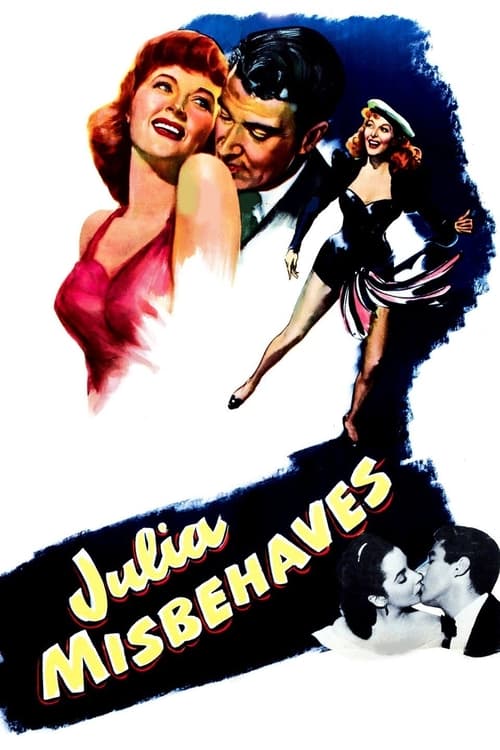
Julia Misbehaves
1948
No user ratings available yet
Representation score: 2.1 out of 10

Representation Score
Minimal
1950
ApprovedDirector
Norman Z. McLeod
Runtime
112 minutes
Average Rating
No ratings yetNew Showbiz Analysis
Let's Dance is a classic product of the mid-century studio system, emphasizing escapism over social disruption. The narrative reinforces the status quo through conventional plotlines and traditional casting. While the film provides opportunities for women to pursue professional goals, these aspirations are framed within the context of traditional romantic relationships, thus maintaining the era's gendered power structures. The movie lacks complexity in representing diverse identities, presenting a homogeneous world that avoids challenging the prevailing demographic and social norms of 1950s Hollywood.
Category Breakdown
The film focuses solely on heterosexual relationships and does not include any LGBTQ+ identities or queer undertones.
Female characters navigate the dance industry with professional ambitions, but these goals are tied to romantic validation within traditional gender roles and social norms.
The cast is predominantly white, reflecting the industry standards of the 1950s. There is no representation of racial diversity or ethnic identities.
As an escapist musical, the film upholds traditional mid-century values without critiquing Western institutions or promoting moral relativism.
There is no depiction of visible or invisible disabilities. Characters are defined by their physical abilities necessary for professional dancing, with no consideration of neurodivergence or chronic illness.
Present on Screen
Limited or Absent
Official Synopsis
Years after the death of her husband, Kitty McNeil takes her son and flees from the home of her wealthy and controlling mother-in-law. Alone and jobless in New York, she runs into an old flame, her USO partner Donald Elwood, who agrees to help her fight for custody of the child.
1948
1963
1947

1942
1954
1940
1951
1948
No reviews yet. Be the first to share your thoughts on this movie!
Use the rating form above to leave a star rating and optional review.