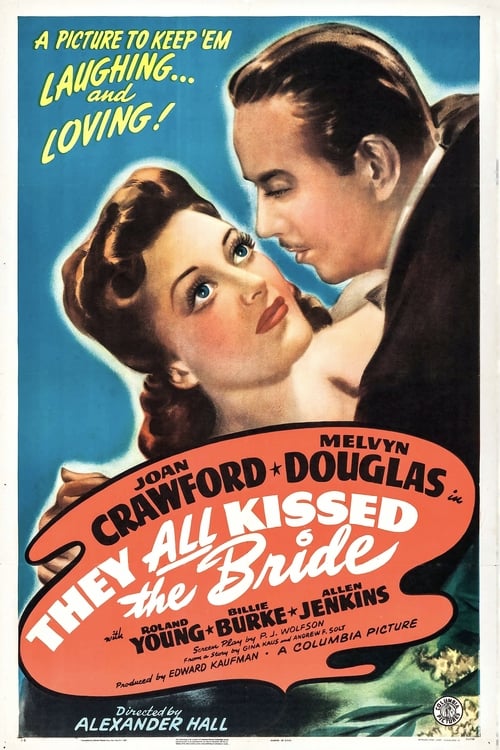
They All Kissed the Bride
1942
No user ratings available yet
Diversity score: 1.6 out of 10
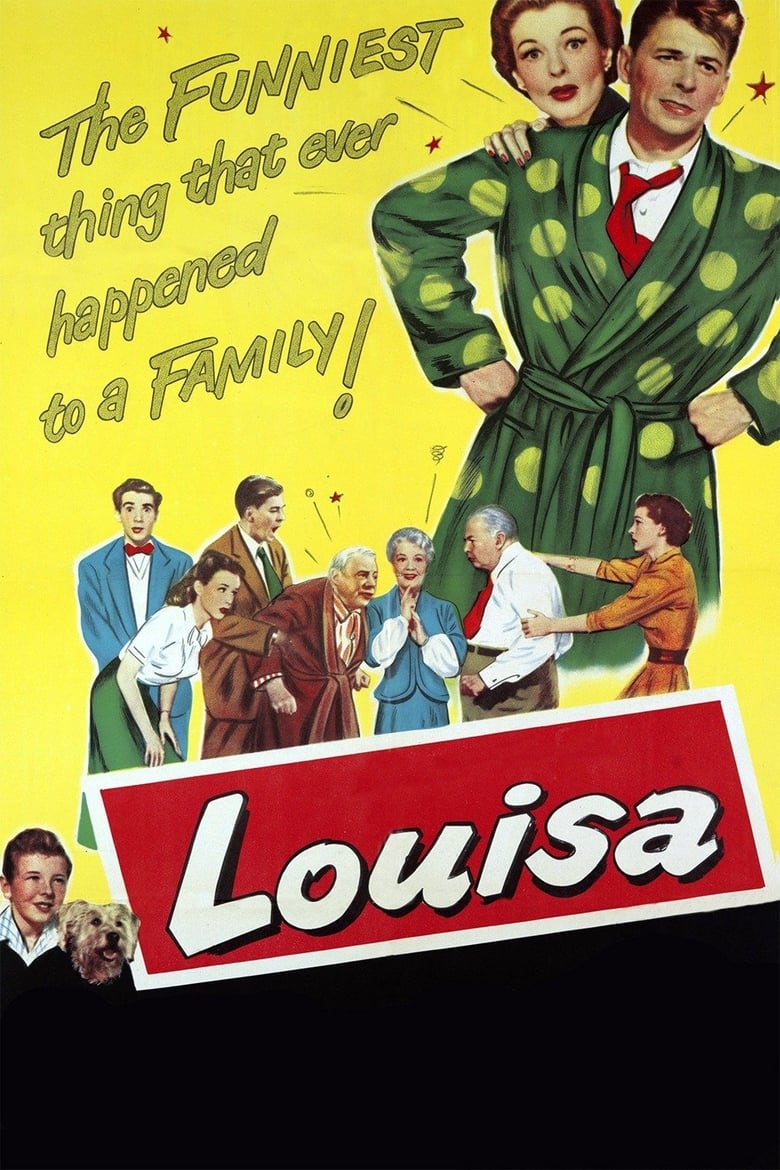
1950
NRDirector
Alexander Hall
Runtime
90 minutes
Average Rating
No ratings yetSynopsis
Architect Hal Norton and wife Meg invite his widowed mother Louisa to move in with them, only to discover the sweet elderly lady is romantically involved with what seems to be every old coot in town.
Overall Score
Minimal
Category Breakdown
LGBTQ+ Representation
The film lacks LGBTQ+ characters or non-cisnormative identities. Romantic arcs focus exclusively on traditional heterosexual pairings without queer subtext.
Gender Representation
Louisa possesses emotional agency in her romantic pursuits, yet the film remains anchored in 1950s domesticity. It reinforces conventional courtship and mid-century marriage tropes.
Racial & Ethnic Diversity
The cast is predominantly white and Anglo-Saxon. There is no evidence of color-blind casting or characters of color with significant agency.
Religious & Cultural Diversity
The story emphasizes Western values like marriage and familial cohesion. It presents a conventional social order without critiquing capitalism or Western institutions.
Disability Representation
Characters are presented within able-bodied and neurotypical norms. No visible or invisible disabilities serve as plot devices or character development.
Strengths
Areas for Improvement
AI Analysis
Louisa is a quintessential product of the 1950s studio system, prioritizing conventional romantic comedy structures over social subversion. While the protagonist enjoys a degree of romantic autonomy, the film's architecture remains firmly rooted in the era's established social hierarchies. The narrative lacks intersectional complexity, offering a homogeneous view of society that excludes racial, queer, and disabled perspectives. It functions as a mirror to the mid-century status quo rather than a critique of it.
1942
1951
1941

1950
1966

1950

2001
1951
1954
1957

1962
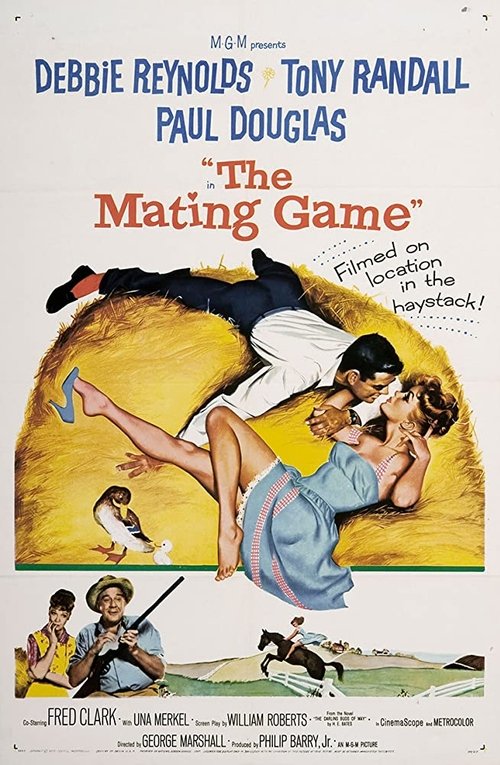
1959
No reviews yet. Be the first to share your thoughts on this movie!
Use the rating form above to leave a star rating and optional review.