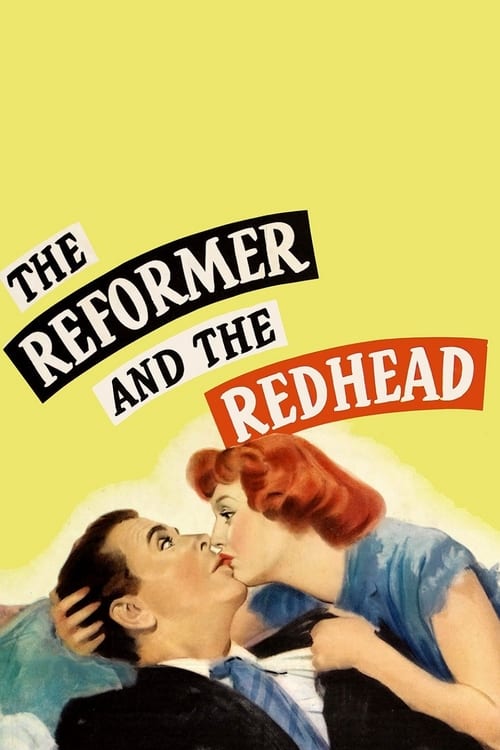
The Reformer and the Redhead
1950
No user ratings available yet
Representation score: 0.8 out of 10
Representation Score
Minimal
1950
NRDirector
George Sidney
Runtime
101 minutes
Average Rating
No ratings yetNew Showbiz Analysis
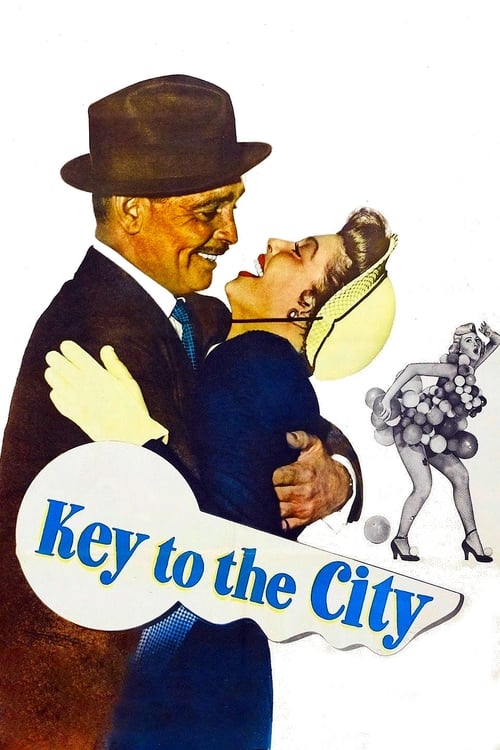
Key to the City is a typical mid-century studio comedy that emphasizes established social norms. The narrative depends on standard romantic archetypes and traditional genre clichés rather than challenging broader social norms. The film reflects its era by reinforcing a homogeneous and narrow worldview. It lacks intentional efforts to include diverse ethnic, cultural, or neurodivergent perspectives. While the female lead holds professional authority, the power dynamics stay within the boundaries of 1950s social expectations, offering limited subversion of patriarchal structures.
Category Breakdown
The film follows strict mid-century standards where everyone is assumed to be straight. The romantic storyline centers around a traditional relationship between the male and female leads.
Clarissa Standish is shown as an educated mayor with professional influence. However, the main conflict revolves around traditional romance and societal norms.
The production mirrors the demographic uniformity of 1950s studio films. The cast is mainly white, with little representation of diverse ethnic backgrounds or multiple layers of identity.
The story upholds traditional Western values and small-town governance. It aligns with the social norms and political structures of the time.
There are no characters with visible or invisible disabilities, nor any representation of neurodivergent individuals.
Present on Screen
Limited or Absent
Official Synopsis
At a mayors convention in San Francisco, ex-longshoreman Steve Fisk meets Clarissa Standish from New England. Fisk is mayor of "Puget City" and is proud of his rough and tumble background. Standish is mayor of "Winona, Maine", and is equally proud of her education and dedication to the people who elected her. Thrown together, the two opposites attract and their escapades during the convention get each of them in hot water back home. Written by Ron Kerrigan
1950

1952

1944
1940
1938
1958

1947
1934
No reviews yet. Be the first to share your thoughts on this movie!
Use the rating form above to leave a star rating and optional review.