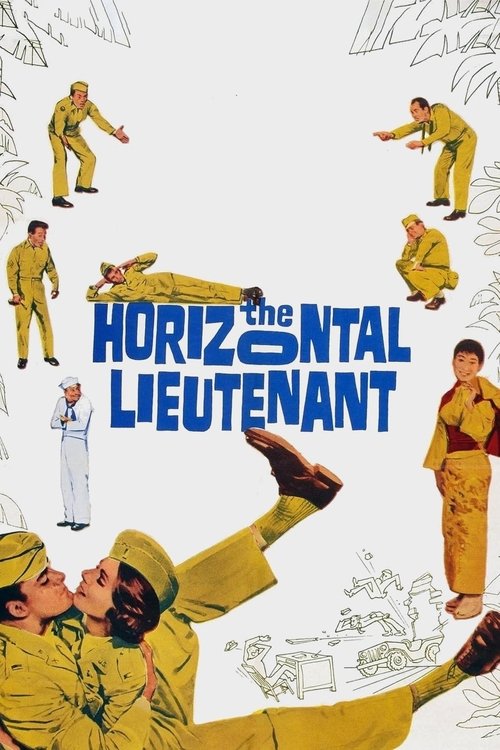
The Horizontal Lieutenant
1962
No user ratings available yet
Representation score: 1.4 out of 10
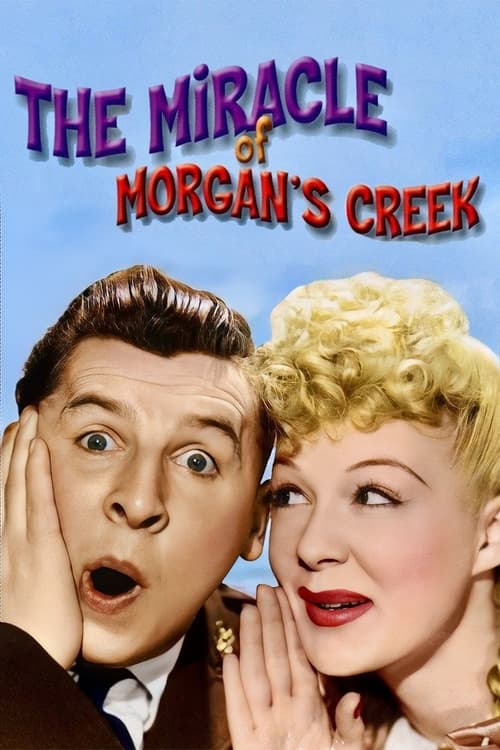
Representation Score
Fair
1944
ApprovedDirector
Preston Sturges
Runtime
98 minutes
Average Rating
No ratings yetNew Showbiz Analysis
Set in 1944, the film reflects the limited racial and LGBTQ+ diversity of its time. The cast is primarily white and middle-class, limiting ethnic representation. Despite this, the film offers a progressive narrative for its era. It uses screwball comedy to challenge traditional hierarchies, especially regarding gender and social morality. By treating 'sin' and unwed pregnancy with humor, it questions the oppressive nature of small-town decorum. While the demographic representation is narrow, the film's willingness to challenge social and religious strictures adds thematic depth.
Category Breakdown
The film does not include any LGBTQ+ characters or stories. All romantic and sexual tension revolves around traditional heterosexual relationships and the consequences of unplanned pregnancies.
Trudy Kockenlocker drives much of the plot's chaos, challenging the stereotype of passive females. The film portrays male figures as overwhelmed by the social changes driven by female characters, highlighting their comedic roles and ability to act.
The cast is predominantly white and middle-class, reflecting a localized American demographic of the 1940s. It lacks ethnic diversity, focusing on a narrow slice of society.
The film uses moral relativism to critique small-town religious judgment. By treating social scandals with comedic levity, it questions the rigid moralism of mid-century Western institutions.
There are no significant portrayals of physical or neurodivergent disabilities. The protagonist's temporary memory loss serves only as a plot device for the screwball comedy structure.
Present on Screen
Limited or Absent
Official Synopsis
A small-town girl with a soft spot for American soldiers wakes up the morning after a wild farewell party for the troops to find that she married someone she can't remember.
1962
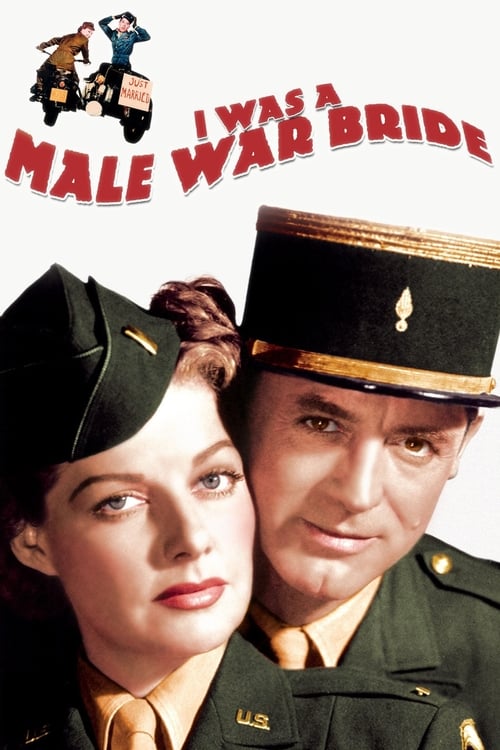
1949
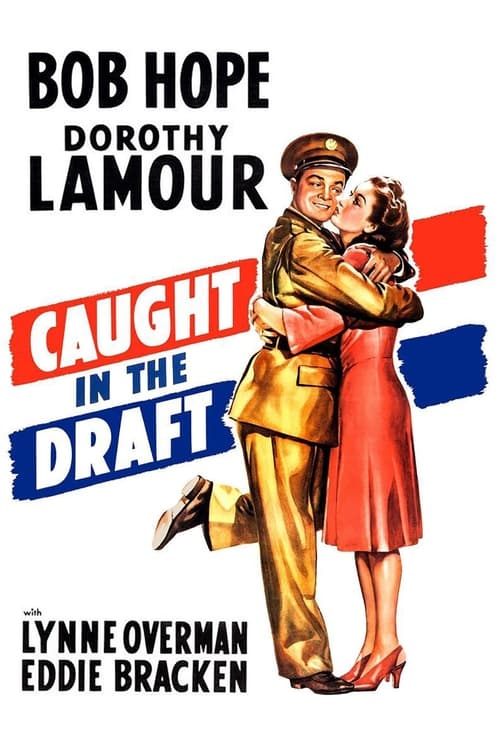
1941

1940

1941

1942
1946
1941
No reviews yet. Be the first to share your thoughts on this movie!
Use the rating form above to leave a star rating and optional review.