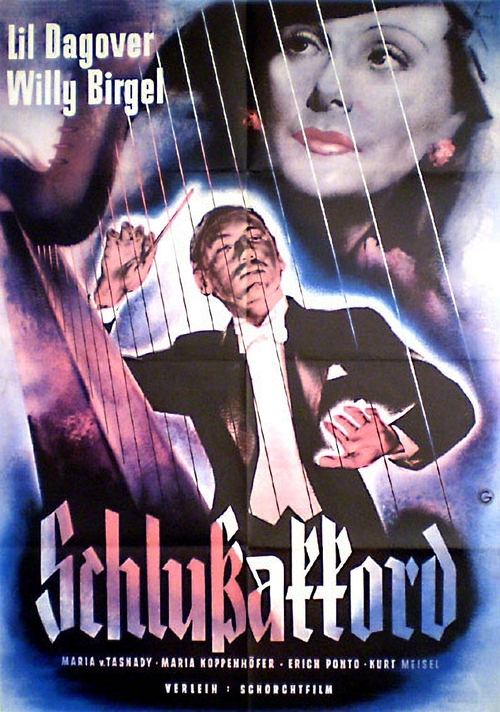
Final Accord
1936
No user ratings available yet
Diversity score: 3.9 out of 10

1953
ApprovedDirector
Douglas Sirk
Runtime
87 minutes
Average Rating
No ratings yetSynopsis
In 1904, Doc Tilbee, medicine show huckster and champion tall-tale teller, gives a ride to a young boy escaped from an orphanage, where bad conditions (the result of political graft) are being investigated by new appointee Zerelda Wing, who doesn't know that her fiancée is one of the politicians responsible. Tad wants to stay with his new friend Doc, who is attracted to Zerelda, to the discomfiture of his old flame Clara...all amid nostalgic musical numbers.
Overall Score
Limited
Category Breakdown
LGBTQ+ Representation
The film lacks explicit LGBTQ+ identities or non-heteronormative relationships. The plot centers on a traditional romantic triangle between Doc, Zerelda, and Clara.
Gender Representation
Zerelda Wing provides a rare instance of female institutional authority as an investigator. However, her agency is closely tied to her romantic connections to the male leads.
Racial & Ethnic Diversity
The 1904 setting and narrative focus suggest a homogeneous social group. There is no evidence of a multi-ethnic or non-white cast within the story.
Religious & Cultural Diversity
The story offers a critique of systemic corruption and political graft. The medicine show setting provides a morally fluid backdrop for this social skepticism.
Disability Representation
The narrative features an orphan boy, Tad, who has escaped a neglected institution. There is no specific evidence of physical or neurodivergent disabilities.
Strengths
Areas for Improvement
AI Analysis
Douglas Sirk’s direction brings a layer of social critique to this musical, moving it beyond simple escapism. The film uses its period setting to examine the friction between individual characters and corrupt political structures. While the romantic elements follow traditional 1950s patterns, the focus on institutional failure provides intellectual depth. The film's strength lies in its skepticism of authority rather than its diversity of identity.
1936
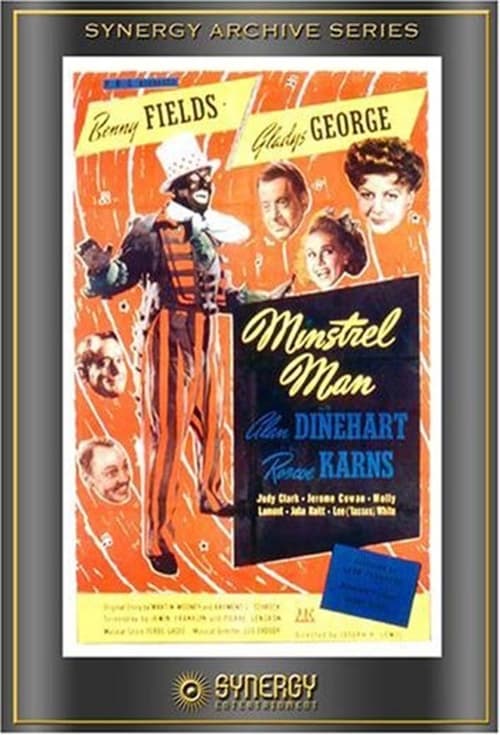
1944
1931
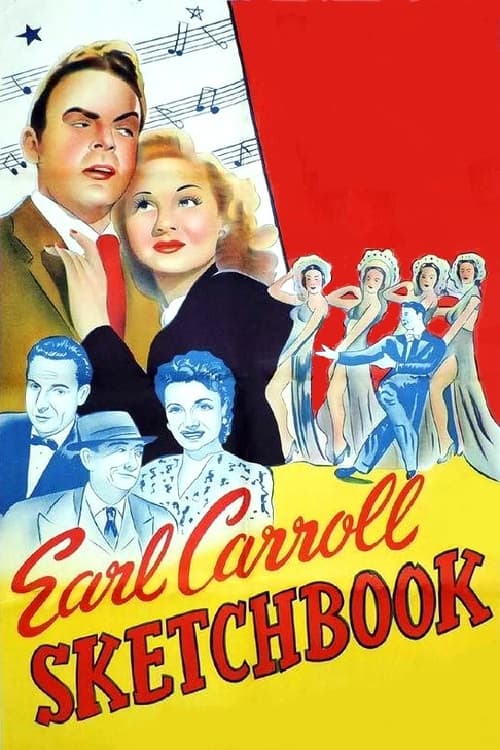
1946
1933
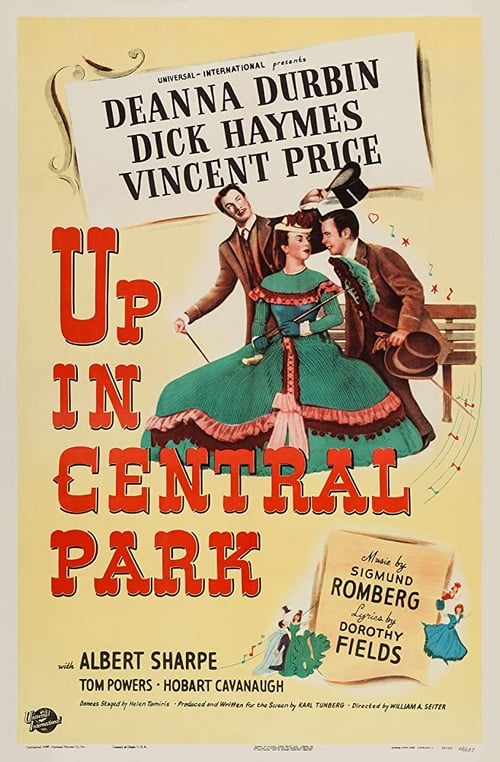
1948
1941
1948
1938
1947
1929
1947
No reviews yet. Be the first to share your thoughts on this movie!
Use the rating form above to leave a star rating and optional review.