Song of Love
1929
No user ratings available yet
Diversity score: 2.2 out of 10
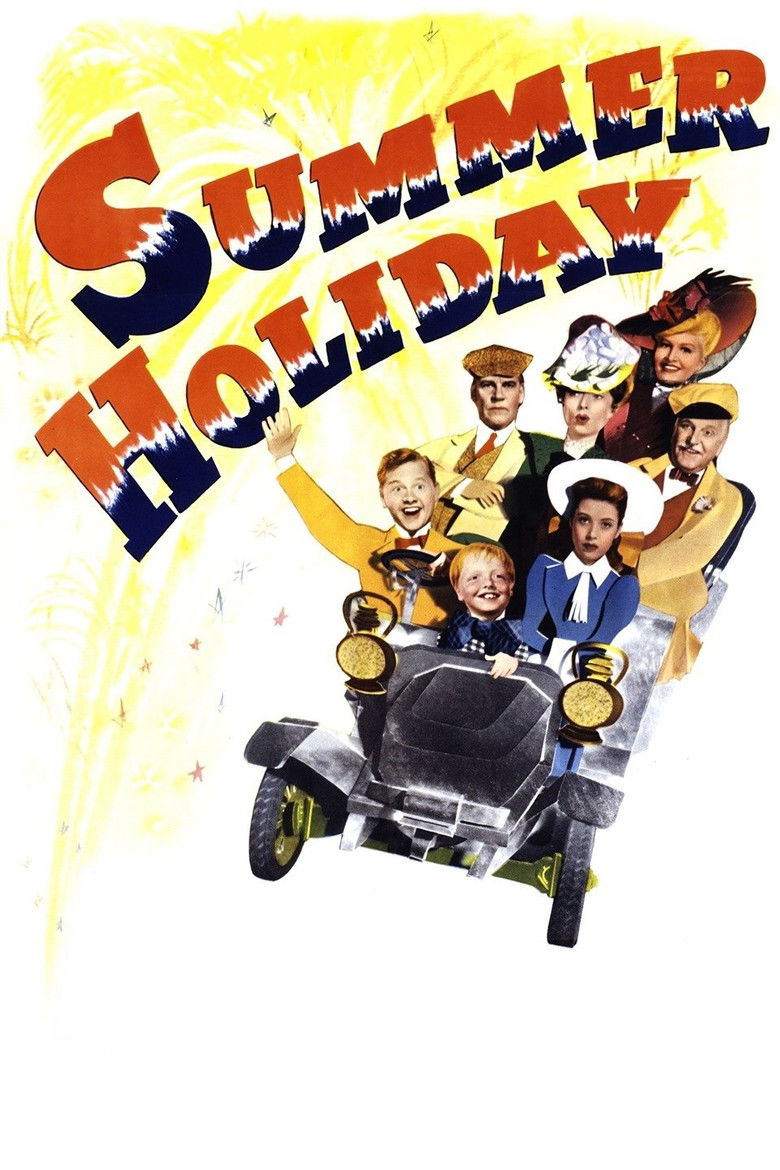
1948
NRDirector
Rouben Mamoulian
Runtime
93 minutes
Average Rating
No ratings yetSynopsis
Danville, Connecticut at the turn of the century. Young Richard Miller lives in a middle-class neighborhood with his family. He is in love with the girl next-door, Muriel, but her father isn't too happy with their puppy-love, since Richard always share his revolutionary ideas with her.
Overall Score
Minimal
Category Breakdown
LGBTQ+ Representation
The film adheres strictly to the heteronormative romantic structures of the late 1940s. There is no evidence of non-cisnormative gender identities or same-sex intimacy.
Gender Representation
Female characters possess social agency in their pursuit of leisure and romance. However, these roles remain tethered to conventional tropes and do not subvert traditional gender hierarchies.
Racial & Ethnic Diversity
The ensemble is predominantly white, reflecting the demographic homogeneity of the setting. The narrative lacks characters of color or any use of race-bent casting.
Religious & Cultural Diversity
The film prioritizes mid-century escapism and youthful exuberance over systemic critiques. It maintains a conventional moral outlook typical of the era without engaging in moral relativism.
Disability Representation
No visible or invisible disabilities are portrayed within the primary narrative arc. Characters are depicted within a standard range of physical and neurotypical functionality.
Strengths
Areas for Improvement
AI Analysis
Summer Holiday functions as a quintessential piece of mid-century musical escapism. It focuses on a cohesive, homogeneous portrayal of post-war youth, prioritizing whimsical rebellion over social critique. The film reinforces the demographic and social norms of its era rather than disrupting them. It lacks intentional engagement with intersectional frameworks, resulting in a narrow narrative scope. While the film offers lighthearted entertainment, it remains a traditional period piece that avoids challenging established sexual, racial, or gendered hierarchies.
1929
1941
1947
1946

1958
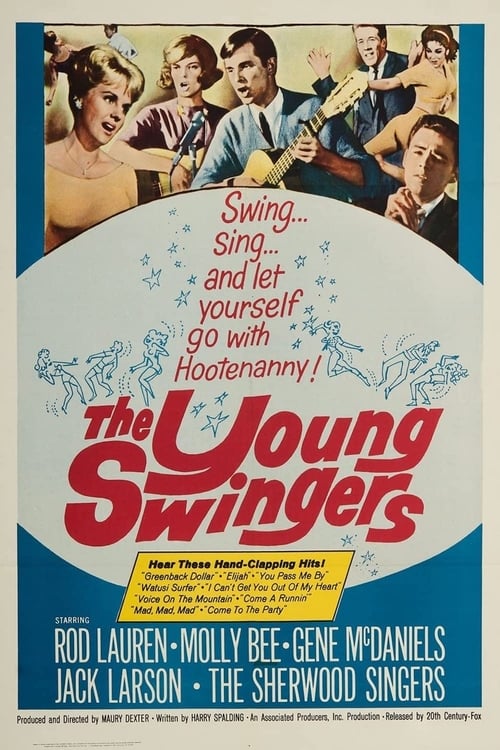
1963

1963
1931
1937
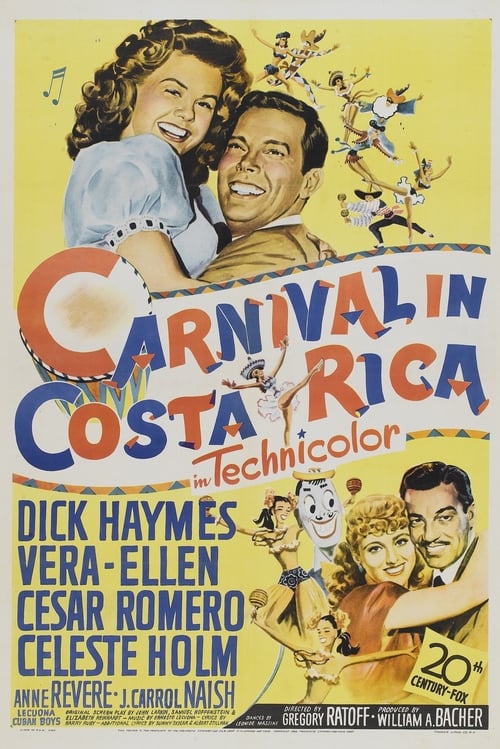
1947
1935
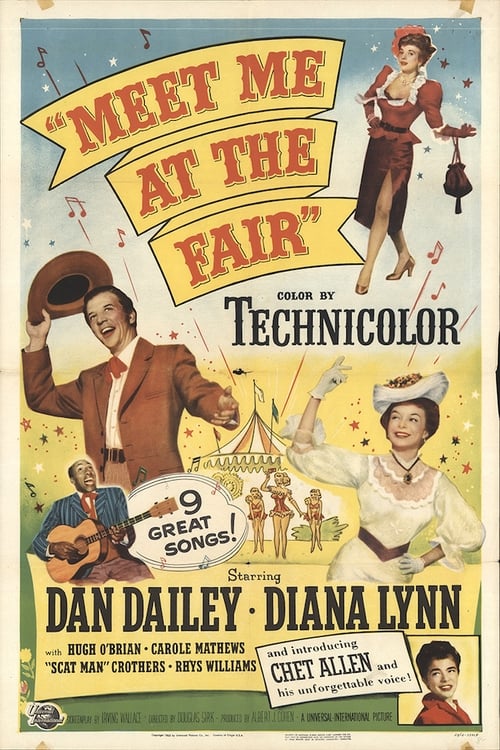
1953
No reviews yet. Be the first to share your thoughts on this movie!
Use the rating form above to leave a star rating and optional review.