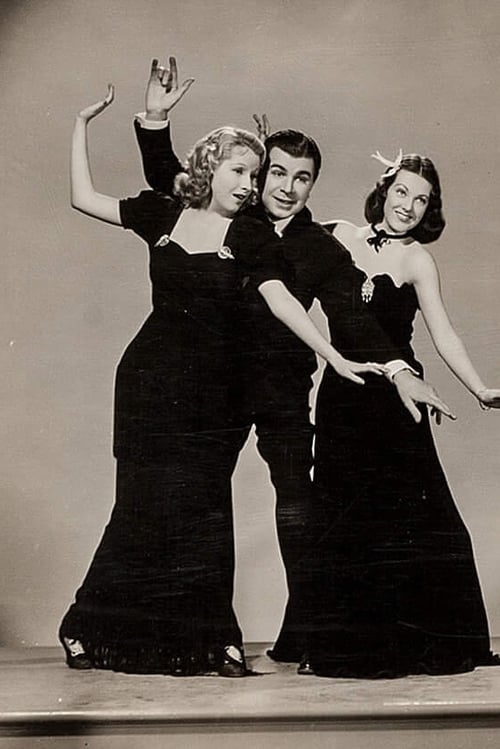
Swing, Sister, Swing
1938
No user ratings available yet
Diversity score: 2.4 out of 10
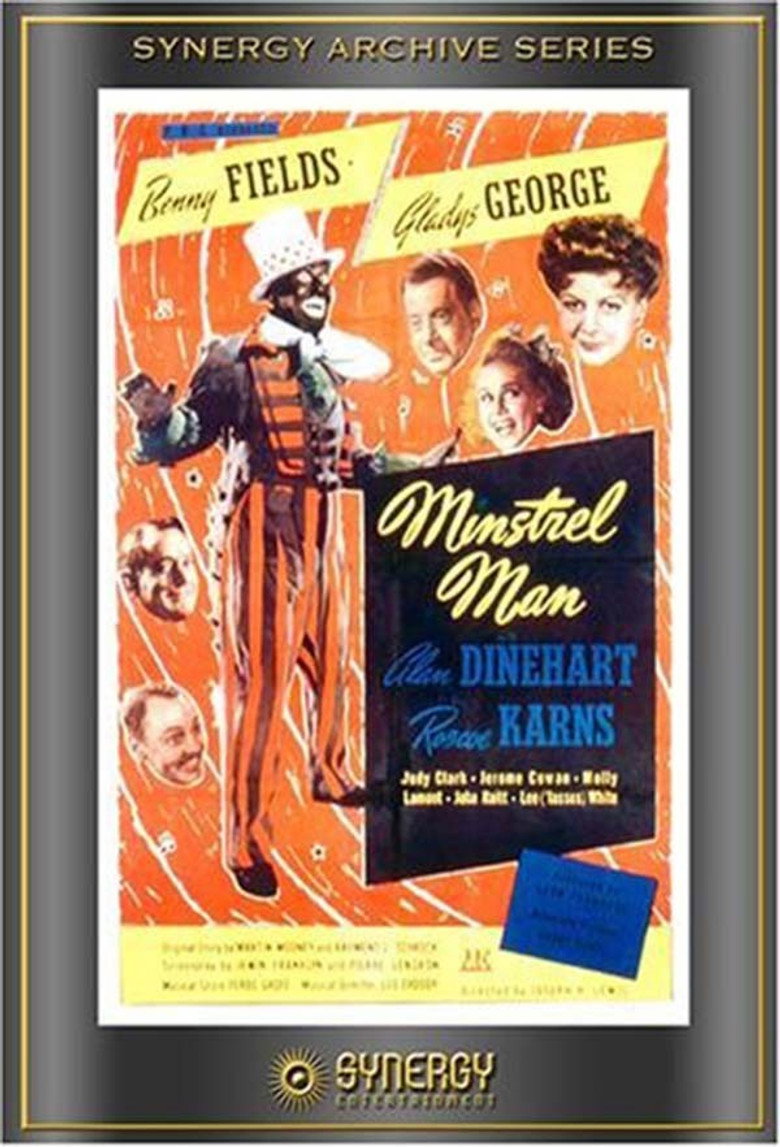
1944
Director
Joseph H. Lewis, Edgar G. Ulmer
Runtime
70 minutes
Average Rating
No ratings yetSynopsis
Unusually elaborate for a PRC film, Minstrel Man is a lively musical drama built around the talents of veteran vaudevillian Benny Fields. The star is cast as Dixie Boy Johnson, who rises from the ranks of minstrel shows to become a top Broadway attraction. On the opening night of his greatest stage triumph, Dixie Boy's wife dies in childbirth. Profoundly shaken, he walks out of the show, leaving the baby to be raised by his showbiz pals Mae and Lasses White (Gladys George, Roscoe Karns). The kid grows up to be an attractive young woman named Caroline (Judy Clark), who follows in her dad's footsteps by billing herself as-that's right-Dixie Girl Johnson. This leads to a tearful reunion between Caroline and the father she'd long assumed to be dead. If Minstrel Man seems at times to be a dress rehearsal for Columbia's The Jolson Story (1946), it shouldn't surprising: the PRC film was directed by Joseph H. Lewis, who went on to helm Jolson Story's musical highlights.
Overall Score
Limited
Category Breakdown
LGBTQ+ Representation
The film lacks LGBTQ+ characters or non-heteronormative identities. The narrative focuses on traditional familial lineage and marital loss, adhering to the heteronormative social structures of 1944.
Gender Representation
The story centers on the male protagonist's professional ascent. While Caroline possesses agency by following her father's career, her identity is framed through his legacy.
Racial & Ethnic Diversity
The premise relies on minstrel shows, a genre historically rooted in racial caricature. The narrative offers little evidence of disrupting racial hierarchies or providing intersectional depth.
Religious & Cultural Diversity
The film celebrates the American Dream and Broadway stardom. It reinforces traditional Western structures of family and commercial success without critiquing established institutions.
Disability Representation
There are no visible or invisible disabilities portrayed as central to the character arcs or plot progression.
Strengths
Areas for Improvement
AI Analysis
Minstrel Man functions as a conventional musical drama that prioritizes individual merit and familial legacy. The narrative architecture follows a standard trajectory of professional triumph and personal grief, typical of mid-century genre filmmaking. The film lacks intersectional complexity, focusing instead on established social and professional hierarchies. While it features female characters in the professional sphere, the primary driver remains the male experience. Ultimately, the work reinforces traditional Western values and historical entertainment tropes rather than offering systemic critique or diverse representation.
1938
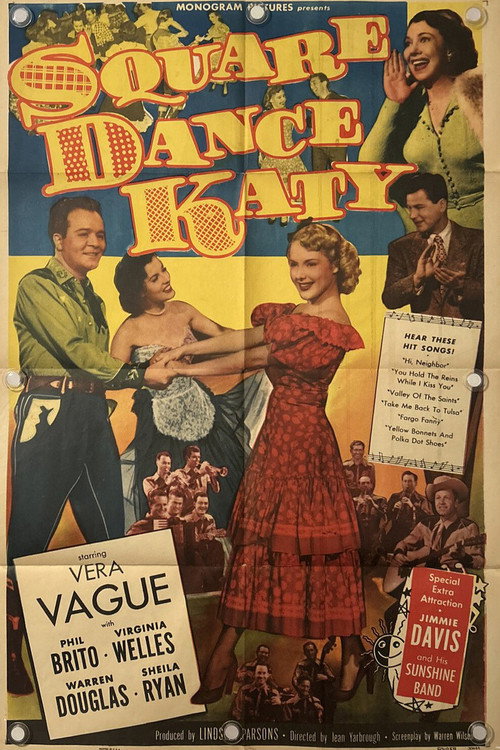
1950
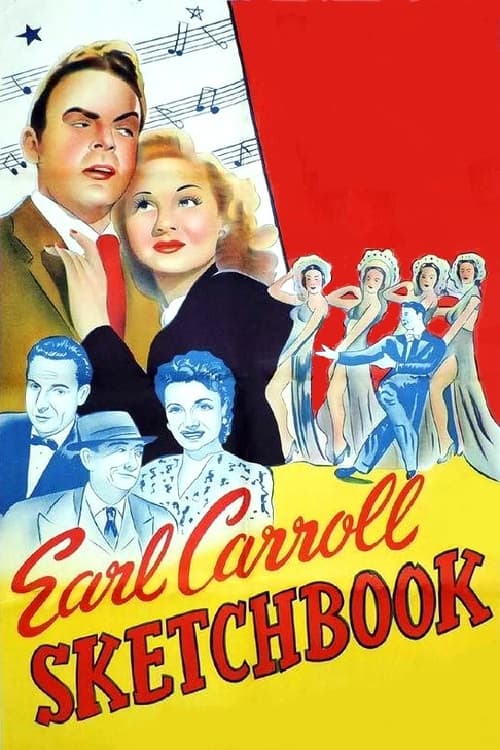
1946
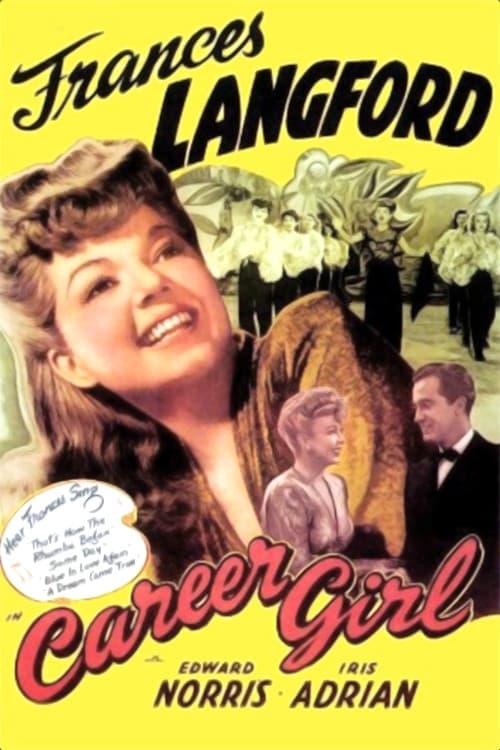
1944
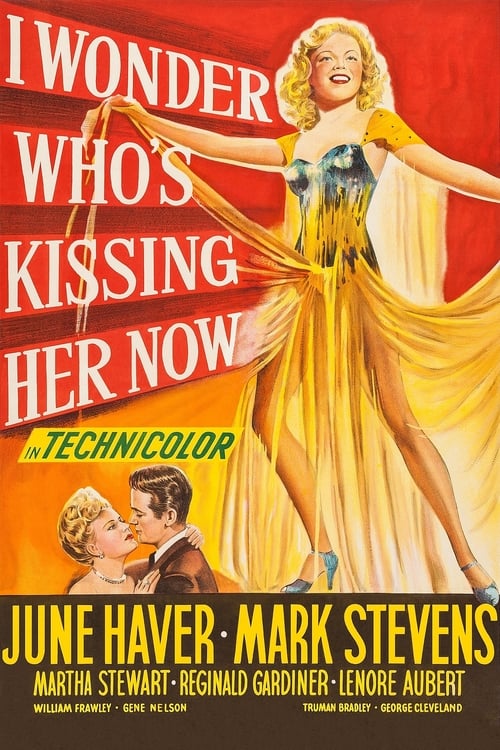
1947
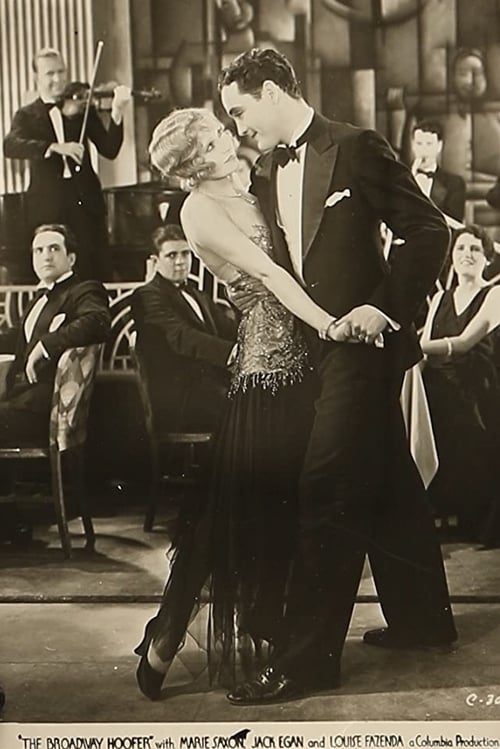
1929
1933
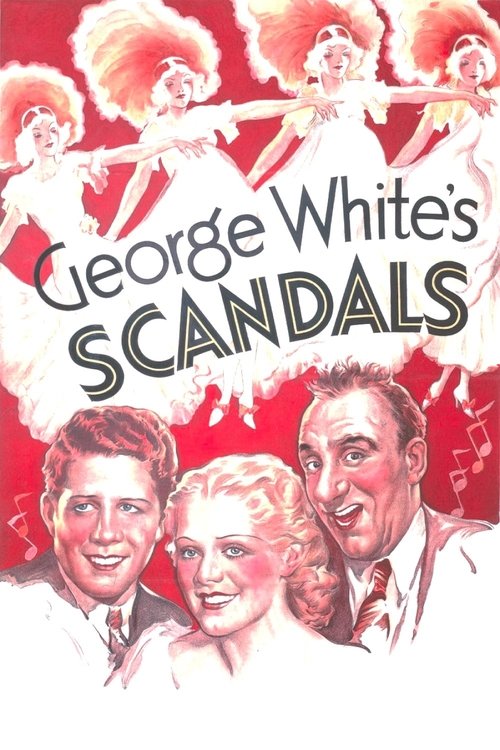
1934
1934
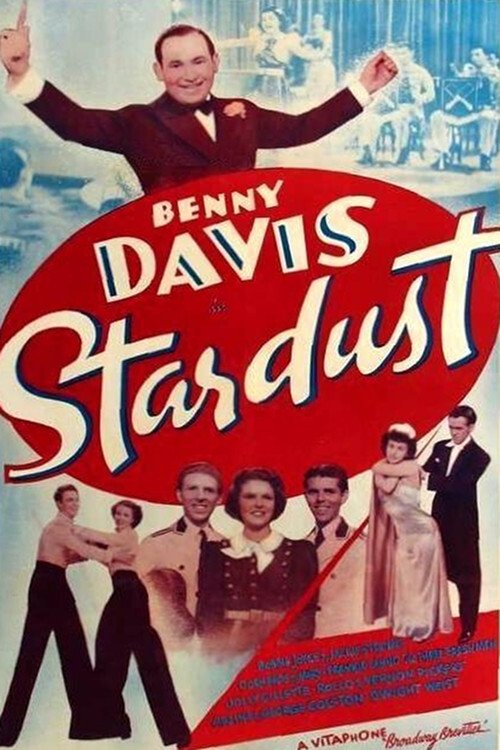
1938
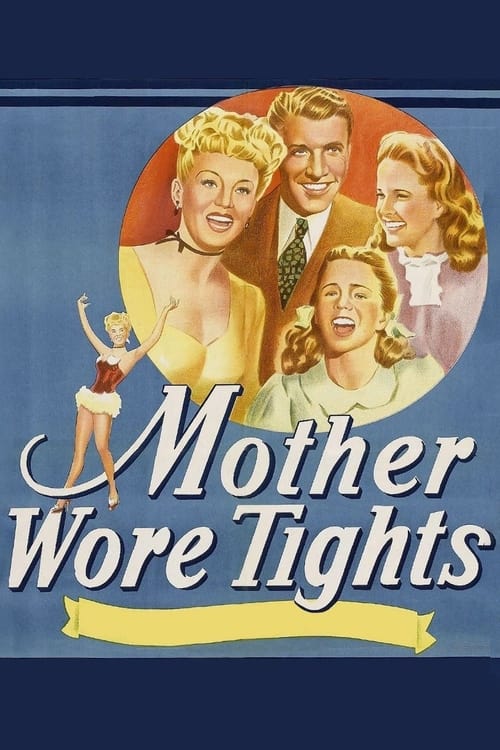
1947
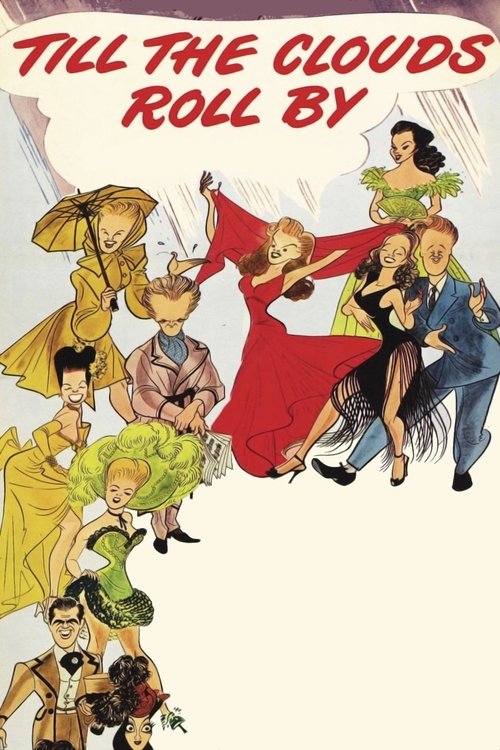
1946
No reviews yet. Be the first to share your thoughts on this movie!
Use the rating form above to leave a star rating and optional review.