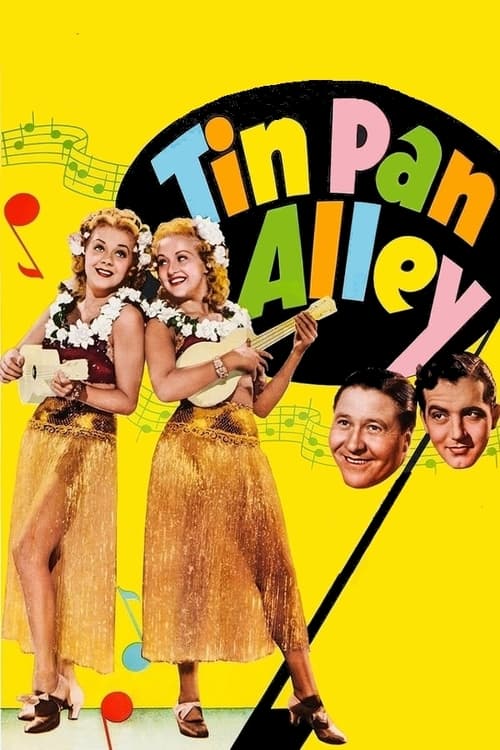
Tin Pan Alley
1940
No user ratings available yet
Diversity score: 1.6 out of 10
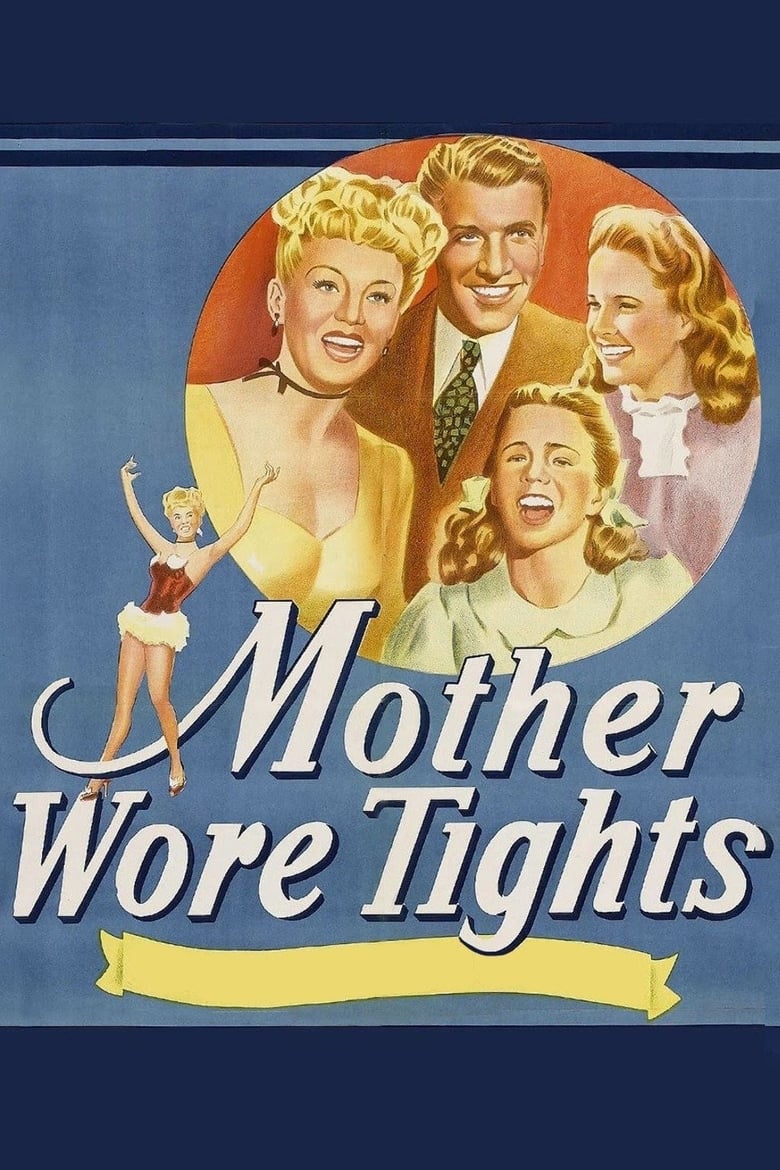
1947
NRDirector
Walter Lang
Runtime
107 minutes
Average Rating
No ratings yetSynopsis
In this chronicle of a vaudeville family, Myrtle McKinley (class of 1900) goes to San Francisco to attend business school, but ends up in a chorus line. Soon, star Frank Burt notices her talent, hires her for a "two-act", then marries her. Incidents of the marriage and the growing pains of eldest daughter Miriam are followed, interspersed with nostalgic musical numbers.
Overall Score
Minimal
Category Breakdown
LGBTQ+ Representation
The film lacks any discernible presence of non-cisnormative identities or same-sex dynamics. The narrative focuses exclusively on heteronormative romantic pairings and traditional marriage.
Gender Representation
Myrtle McKinley exerts agency through her professional talent and domestic management. However, the narrative ultimately reinforces traditional marriage as the primary resolution for female characters.
Racial & Ethnic Diversity
The cast is predominantly white, reflecting the demographic homogeneity of 1940s Hollywood. The film does not provide significant agency to characters of color.
Religious & Cultural Diversity
The story celebrates traditional Western social structures and the nuclear family. It prioritizes social respectability and conventional morality over systemic critique.
Disability Representation
There is no evidence of characters with visible or invisible disabilities serving as central narrative drivers or plot devices.
Strengths
Areas for Improvement
AI Analysis
Mother Wore Tights functions as a nostalgic chronicle of a vaudeville family, prioritizing domestic stability and traditional social hierarchies. The film adheres strictly to the mid-century studio system's focus on heteronormative romance and social cohesion. While the female lead shows professional agency, the film's structure reinforces conventional gender roles and racial homogeneity. It serves as a celebration of Western social norms rather than a tool for subversion. Ultimately, the production lacks intersectional depth, focusing instead on the preservation of established social values and the stability of the nuclear family unit.
1940
1954
1947
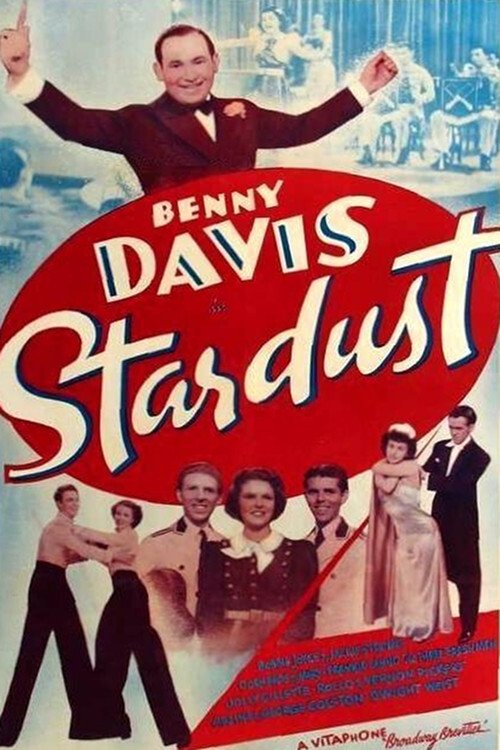
1938
1941
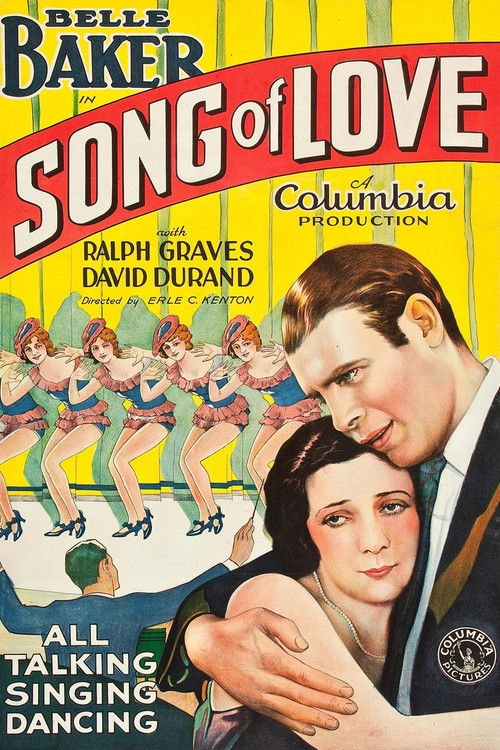
1929
1938
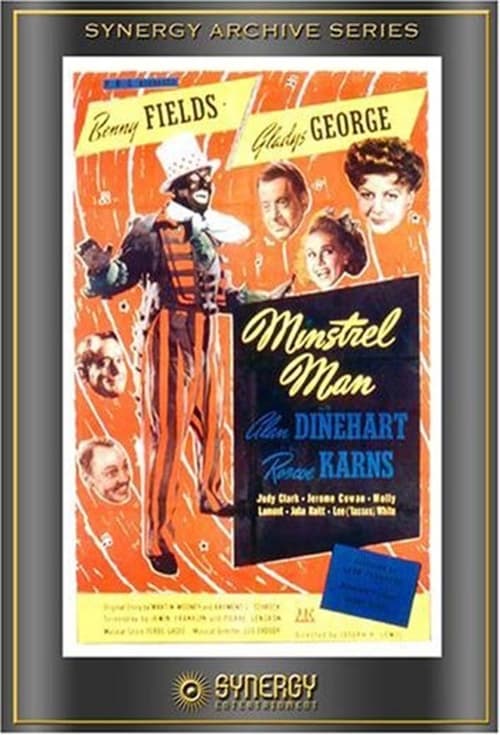
1944
1934
1933
1946
1937
No reviews yet. Be the first to share your thoughts on this movie!
Use the rating form above to leave a star rating and optional review.