Summer Holiday
1948
No user ratings available yet
Diversity score: 1.7 out of 10
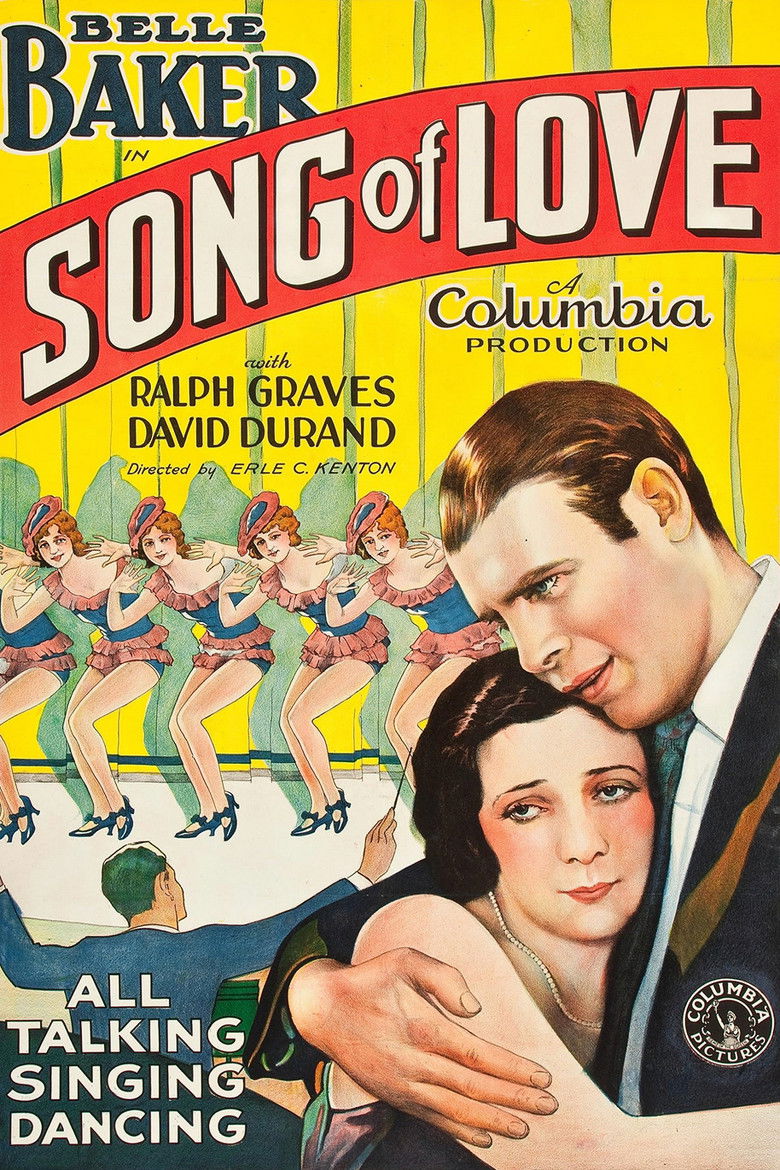
1929
PassedDirector
Erle C. Kenton
Runtime
82 minutes
Average Rating
No ratings yetSynopsis
Tom and Anna Gibson, along with their little boy, Buddy, form a successful vaudeville song-and-dance act and a happy family. Anna, however, is worried about her son's future when she finds him playing ball, forgetting a performance.
Overall Score
Limited
Category Breakdown
LGBTQ+ Representation
The film lacks LGBTQ+ characters or non-cisnormative identities. It adheres to the heteronormative romantic structures typical of 1920s melodrama.
Gender Representation
The story centers on the female lead's emotional experiences. However, it reinforces conventional domestic roles and maternal anxiety rather than subverting patriarchal norms.
Racial & Ethnic Diversity
The narrative focuses on a homogeneous vaudeville family unit. There is no evidence of non-white majority casts or diverse ethnic representation.
Religious & Cultural Diversity
The plot emphasizes Western values of nuclear family stability and professional success. It portrays traditional social cohesion rather than challenging established institutions.
Disability Representation
There is no evidence of characters with visible or invisible disabilities. Disability is not utilized as a narrative device or plot point.
Strengths
Areas for Improvement
AI Analysis
Song of Love is a traditional period piece that reinforces the social and familial hierarchies of the late 1920s. The narrative architecture prioritizes domestic stability and conventional romantic structures, offering very little disruption to the cinematic status quo of its era. The film focuses on a successful vaudeville family, centering its conflict on maternal concerns regarding a child's future. This emphasis on the nuclear family unit aligns with standard Western values of the time, providing a narrow view of social life. Overall, the work lacks significant representation of diverse identities, including LGBTQ+ individuals, various racial groups, or people with disabilities. It functions primarily as a standard melodrama within a homogeneous social framework.
1948
1947
1931
1940
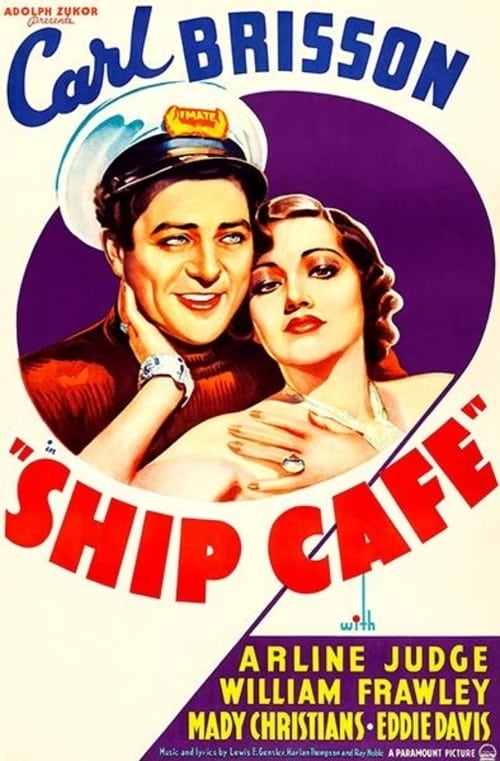
1935

1944
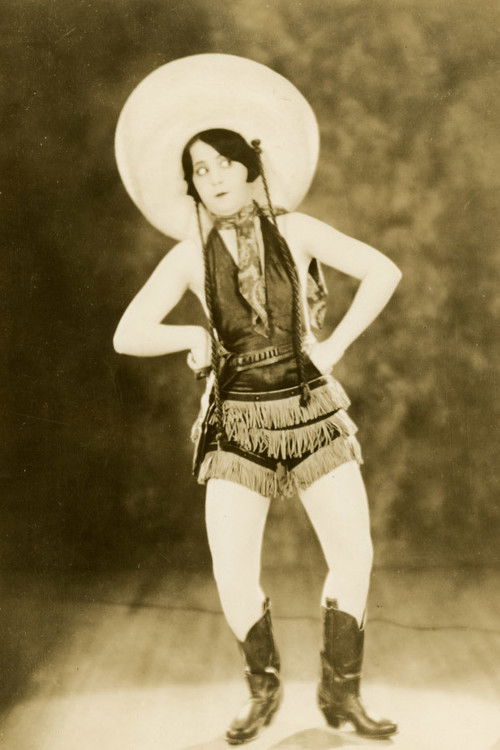
1930
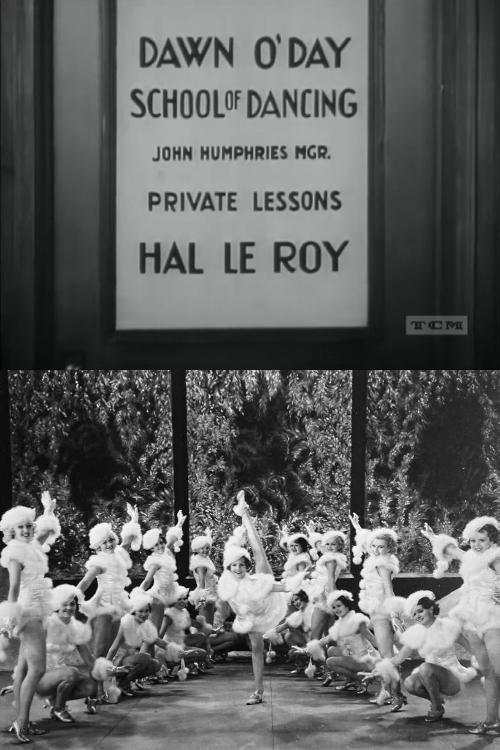
1934
1931
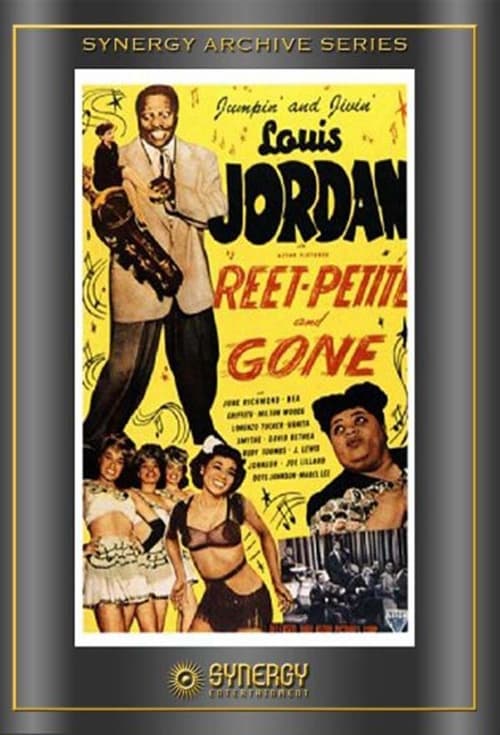
1947
1935

1942
No reviews yet. Be the first to share your thoughts on this movie!
Use the rating form above to leave a star rating and optional review.