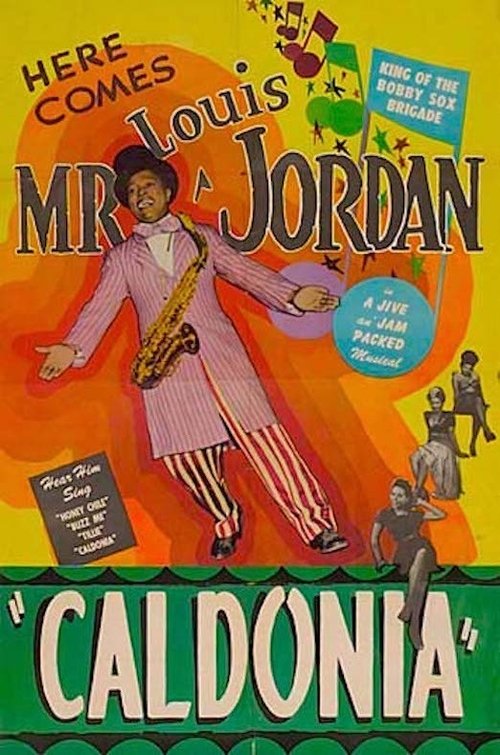
Caldonia
1945
No user ratings available yet
No diversity score available
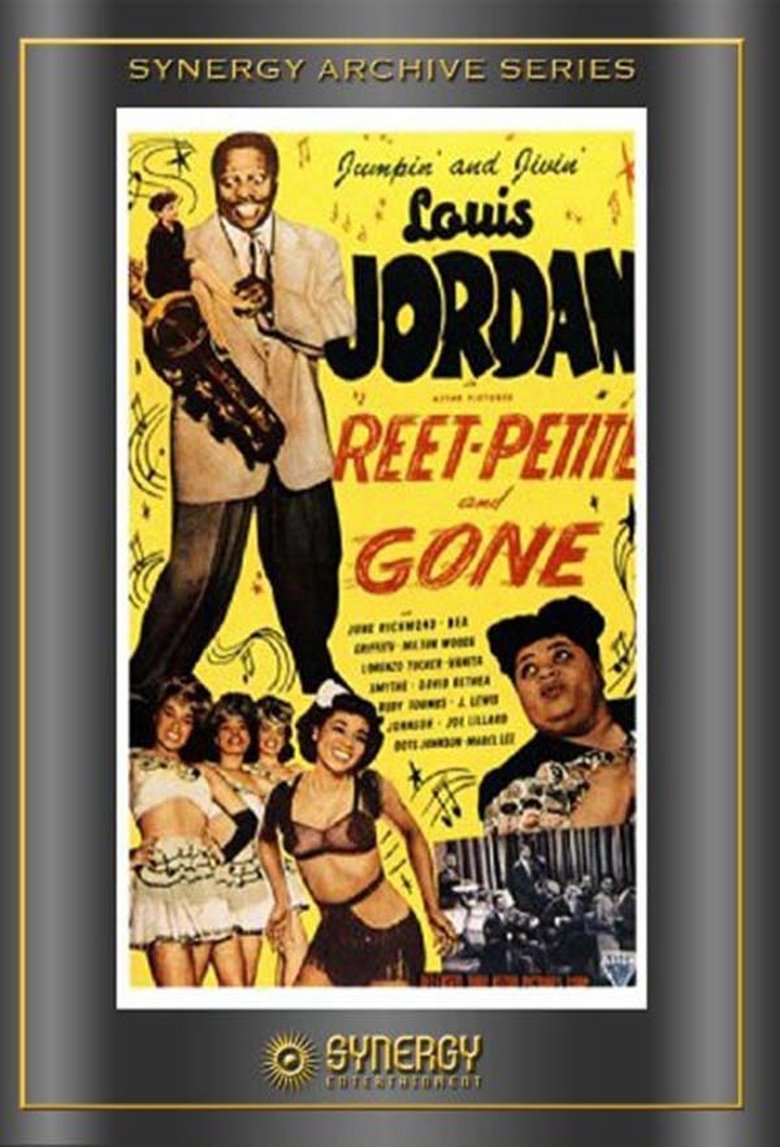
1947
Director
William Forest Crouch
Runtime
67 minutes
Average Rating
No ratings yetSynopsis
Old-time musical star Schyler Jarvis, now wealthy, is dying; his last act is a visionary plan for the future happiness of his son, swing bandleader Louis Jarvis, and Honey Carter, daughter of his long-lost love. But crooked lawyer Talbot has a nefarious scheme to get his hands on the Jarvis money...and it doesn't include any happiness for Louis and Honey. Plenty of swing from Louis Jordan's Tympany Five.
Overall Score
Limited
Category Breakdown
LGBTQ+ Representation
The film focuses on a heteronormative romance between Louis Jarvis and Honey Carter. No non-cisnormative identities or critiques of heteronormativity are present in the narrative.
Gender Representation
Male agency drives the plot through the patriarch's plans and his son's struggles. Honey Carter's role is largely defined by her relationships to the male characters.
Racial & Ethnic Diversity
The inclusion of Louis Jordan’s Tympany Five provides significant visibility for a prominent Black musical act. This presence offers a degree of cultural integration for 1947.
Religious & Cultural Diversity
The story follows traditional Western tropes regarding family legacy and inheritance. It reinforces post-war social values centered on the nuclear family and moral dichotomies.
Disability Representation
The film contains no mention of characters with visible or invisible disabilities.
Strengths
Areas for Improvement
AI Analysis
Reet, Petite, and Gone operates as a conventional mid-century musical melodrama. Its primary strength lies in its musical contribution, specifically the inclusion of Louis Jordan’s Tympany Five, which provides important racial visibility for the era. However, the narrative structure is deeply rooted in traditional hierarchies. The plot centers on male-driven inheritance struggles and heteronormative romantic arcs, leaving little room for diverse identity exploration. While the musical elements disrupt some homogeneity, the storytelling remains tethered to the social norms and gender roles typical of 1947 cinema.
1945
1947
1936
1947

1944
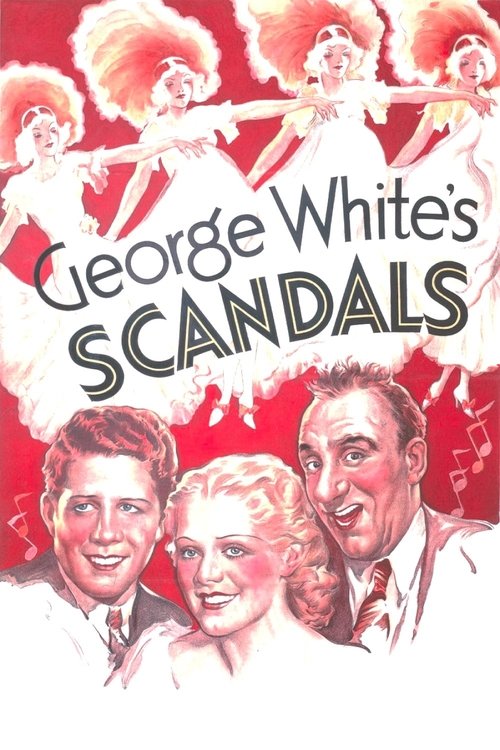
1934
1947
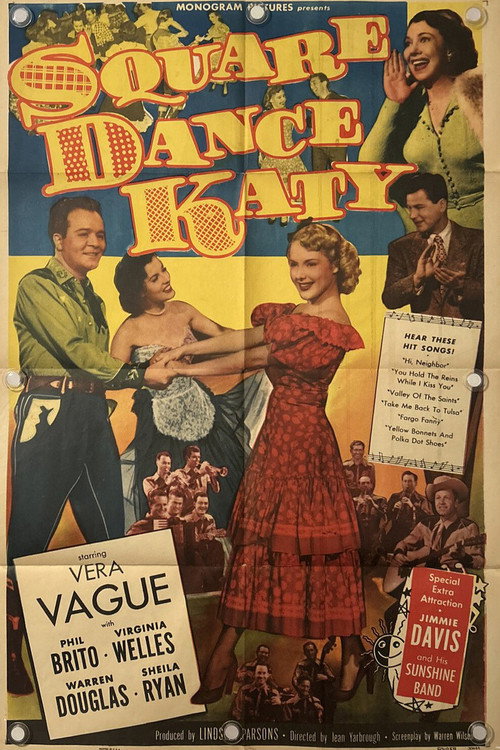
1950
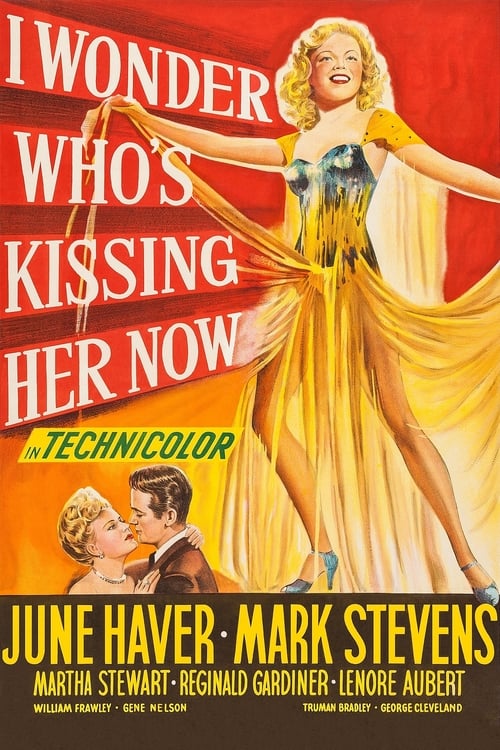
1947
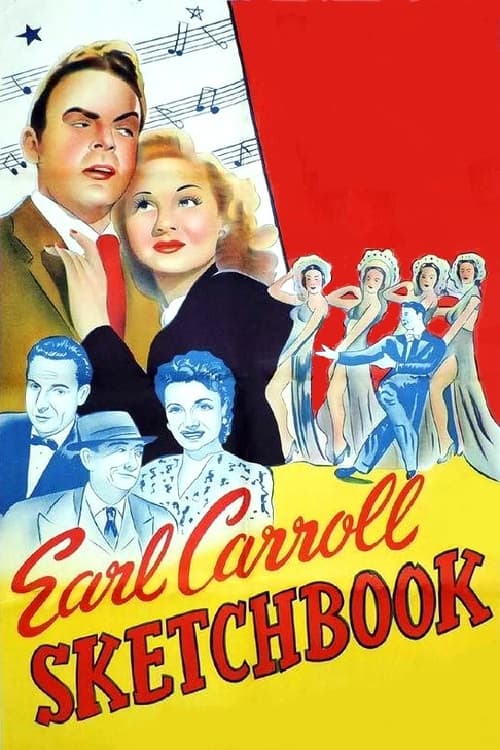
1946
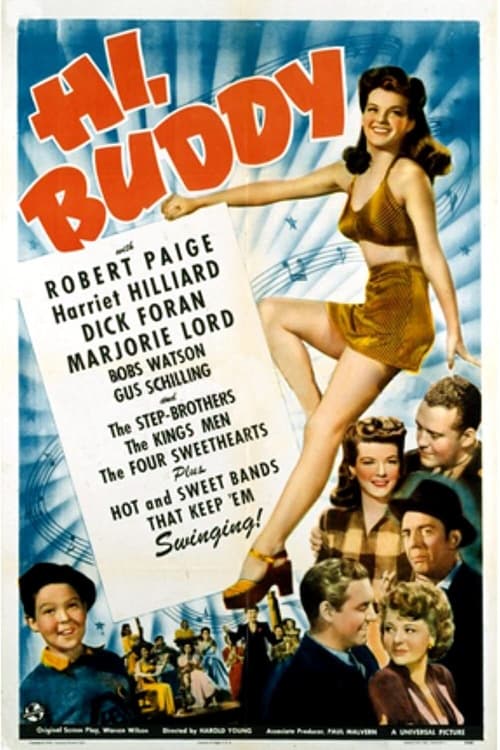
1943
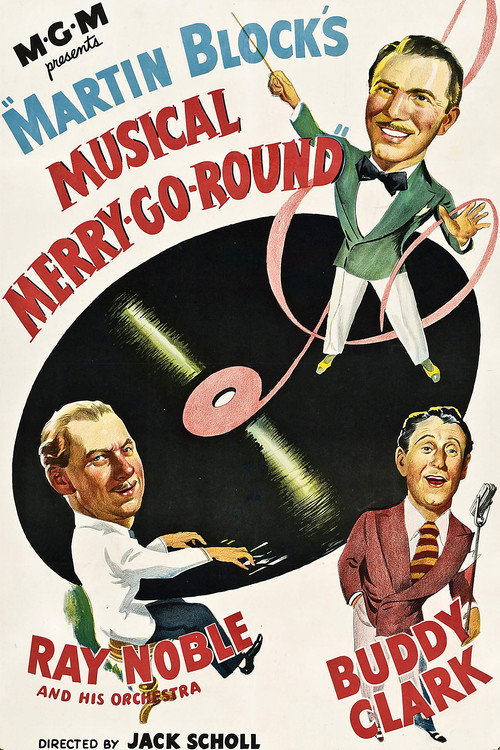
1948
No reviews yet. Be the first to share your thoughts on this movie!
Use the rating form above to leave a star rating and optional review.