Knee Deep In Music
1933
No user ratings available yet
Diversity score: 2.6 out of 10
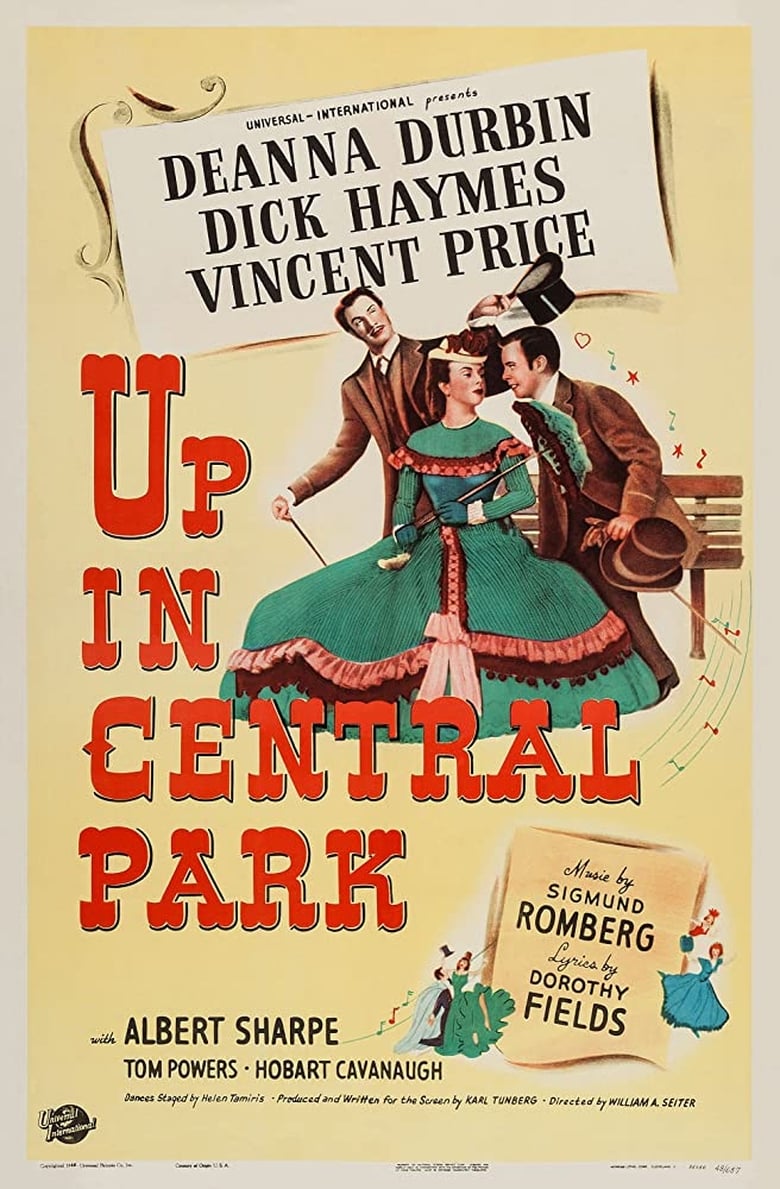
1948
NRDirector
William A. Seiter
Runtime
84 minutes
Average Rating
No ratings yetSynopsis
A newspaper reporter and the daughter of an immigrant maintenance man help expose political corruption in New York City.
Overall Score
Limited
Category Breakdown
LGBTQ+ Representation
The film follows a strictly heteronormative trajectory. There is no presence of non-cisnormative identities or same-sex intimacy, as the plot focuses entirely on traditional romantic courtship.
Gender Representation
While the female lead shows agency through her profession, the story ultimately prioritizes romantic resolution. The film adheres to 1940s gender hierarchies without subverting traditional social roles.
Racial & Ethnic Diversity
Casting reflects the homogeneous standards of the studio era. An immigrant maintenance man appears as a plot device, but the film lacks significant racial intersectionality or deep ethnic exploration.
Religious & Cultural Diversity
The narrative emphasizes urban whimsy and romantic idealism rather than institutional critique. It reinforces social stability through a conventional lens, lacking any progressive or anti-institutional framing.
Disability Representation
There is no evidence of characters with visible or invisible disabilities. The film does not integrate neurodivergent or physically disabled individuals into the narrative.
Strengths
Areas for Improvement
AI Analysis
Up in Central Park is a quintessential mid-century musical comedy that prioritizes escapism over social commentary. The narrative relies on established archetypes and traditional romantic tropes to drive its plot of political corruption and courtship. The film functions as a product of its era, reinforcing the status quo rather than challenging it. It lacks intersectional representation, focusing instead on a white-centric cast and conventional social structures. Ultimately, the production serves as mainstream entertainment that maintains the mid-century cinematic standard, offering little in the way of diverse perspectives or systemic critique.
1933
1948
1946
1934
1935
1940
1947
1953
1929
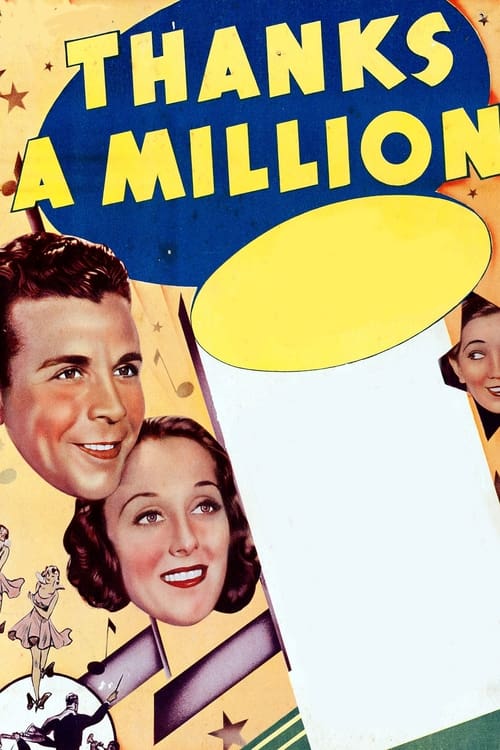
1935
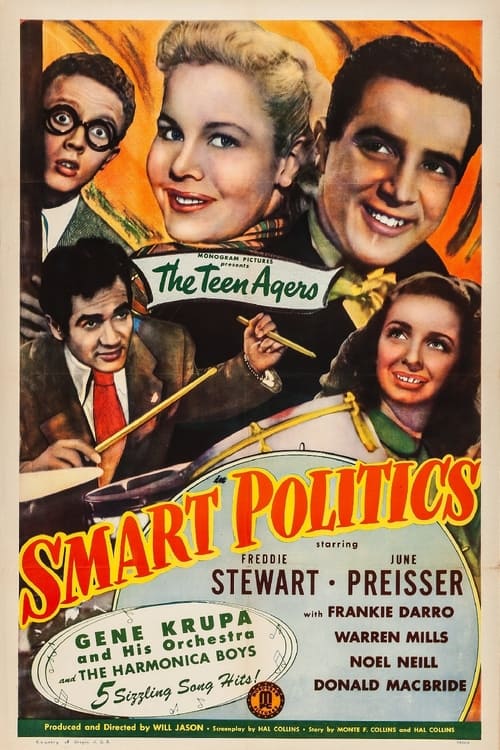
1948
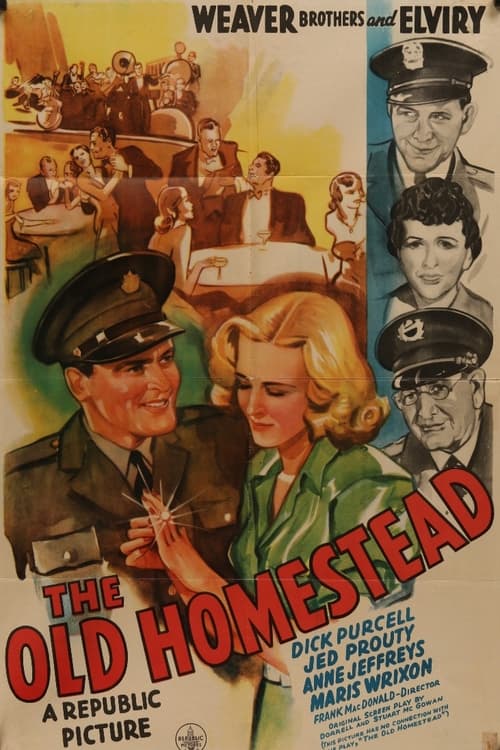
1942
No reviews yet. Be the first to share your thoughts on this movie!
Use the rating form above to leave a star rating and optional review.