
Utopia
1983
No user ratings available yet
Representation score: 4.7 out of 10
Representation Score
Fair
1981
RDirector
Rainer Werner Fassbinder
Runtime
113 minutes
Average Rating
No ratings yetNew Showbiz Analysis
Lola is a nuanced exploration of class struggle and gender dynamics. It excels in challenging traditional gender roles by presenting a female protagonist who actively navigates and manipulates a corrupt, male-dominated social order. However, the film's setting limits its scope, lacking meaningful racial, ethnic, or LGBTQ+ representation. It focuses on a homogeneous social landscape. Ultimately, the film's strength lies in its critical examination of capitalism. It offers a complex look at how individuals navigate oppressive economic systems.
Category Breakdown
The film does not include any LGBTQ+ relationships or diverse sexual orientations. Instead, it emphasizes heterosexual relationships for social advancement. Sexual orientation is portrayed as a tool for social status rather than personal identity.
Lola challenges the submissive female stereotype by using her femininity strategically to manipulate a male-dominated society. She drives the plot with her active role and control over her destiny.
The setting reflects the homogeneous demographics of 1957 West Germany. The cast lacks significant racial or ethnic diversity. The story focuses on class struggles within a predominantly white European context.
The film critiques Western capitalist structures and traditional moral frameworks. It portrays social interactions as transactions driven by market forces. This deconstruction of conventional institutions provides a progressive theme.
The film does not feature characters with visible or invisible disabilities. There are no narratives related to disability.
Present on Screen
Limited or Absent
Official Synopsis
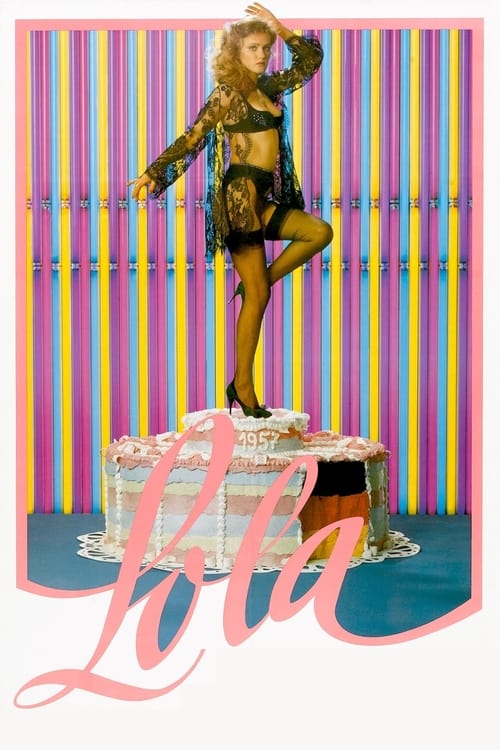
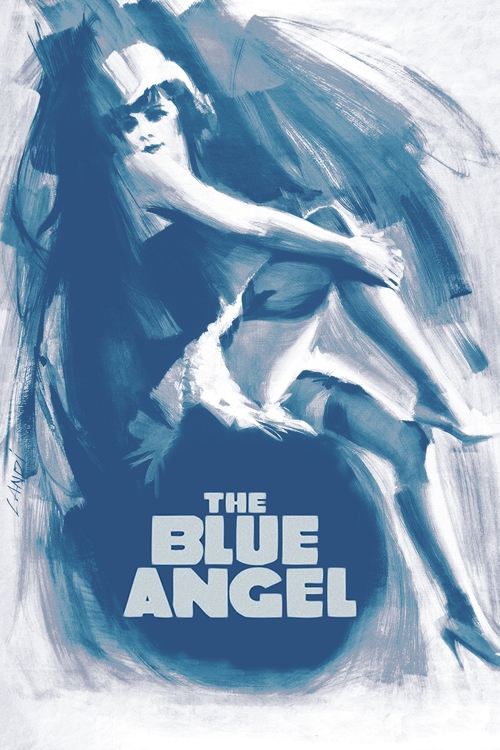
Germany in the autumn of 1957: Lola, a seductive cabaret singer-prostitute exults in her power as a temptress of men, but she wants out—she wants money, property, and love. Pitting a corrupt building contractor against the new straight-arrow building commissioner, Lola launches an outrageous plan to elevate herself in a world where everything, and everyone, is for sale. Shot in childlike candy colors, Fassbinder’s homage to Josef von Sternberg’s classic The Blue Angel stands as a satiric tribute to capitalism.
1983

1972

1970
1930
1982

1977

1976
1972
No reviews yet. Be the first to share your thoughts on this movie!
Use the rating form above to leave a star rating and optional review.