
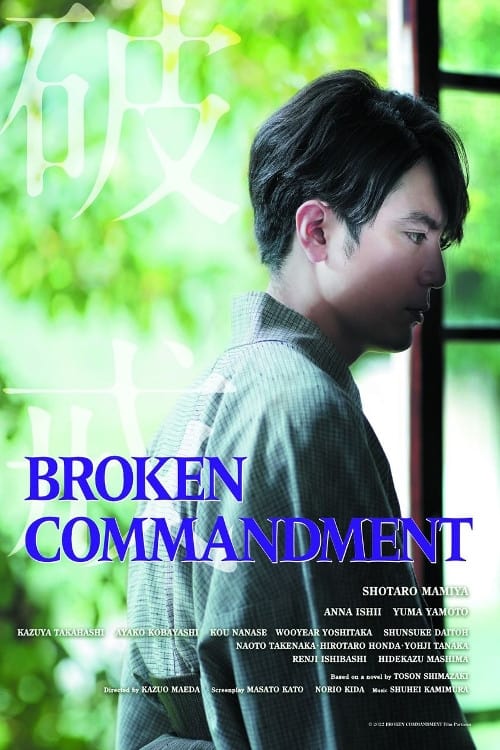
The Broken Commandment
1962
No user ratings available yet
Representation score: 4.2 out of 10
Representation Score
Fair
2022
Director
Kazuo Maeda
Average Rating
No ratings yetNew Showbiz Analysis
The film is a historical drama that prioritizes the deconstruction of systemic classism over modern identity politics. It uses the protagonist's struggle against his 'untouchable' origins to critique the psychological toll of social stratification. While the film excels at exploring caste-like social structures within Japan, it lacks representation for LGBTQ+ identities and disability. The gender dynamics follow conventional dramatic structures where the male protagonist drives the central conflict. Ultimately, the work functions as a sophisticated social critique, using historical context to challenge the preservation of traditionalist social hierarchies.
Category Breakdown
The story focuses on heterosexual relationships and social class issues. There is no visible evidence of queer relationships or non-traditional gender identities.
The plot centers on a male protagonist's struggle with social status. While Shiho serves as a romantic interest, the primary role in driving the story remains with the male lead.
The film explores internal social hierarchies by focusing on the underrepresented buraku community. This disrupts monolithic views of historical Japanese society through a lens of systemic discrimination.
The narrative critiques rigid class systems and the oppressive nature of traditional social hierarchies. It highlights how institutionalized discrimination prevents human connection and individual control over their lives.
The available information provides no evidence regarding the portrayal of physical or neurodivergent disabilities.
Present on Screen
Limited or Absent
Official Synopsis
At the strong insistence of his father, Ushimatsu Segawa conceals his origins from a “buraku” area of low-class “untouchables,” leaving his hometown to serve as an elementary school teacher where he excels and is loved by his students. But he constantly struggles with the secret of his low-birth status and is disturbed by all of the discrimination levelled upon his class. It prevents him from pursuing a romance with Shiho, whom he meets at the temple where he resides, but who descends from a samurai family.
1962

2010

1937
2003
2002

1999

2024
1995
No reviews yet. Be the first to share your thoughts on this movie!
Use the rating form above to leave a star rating and optional review.