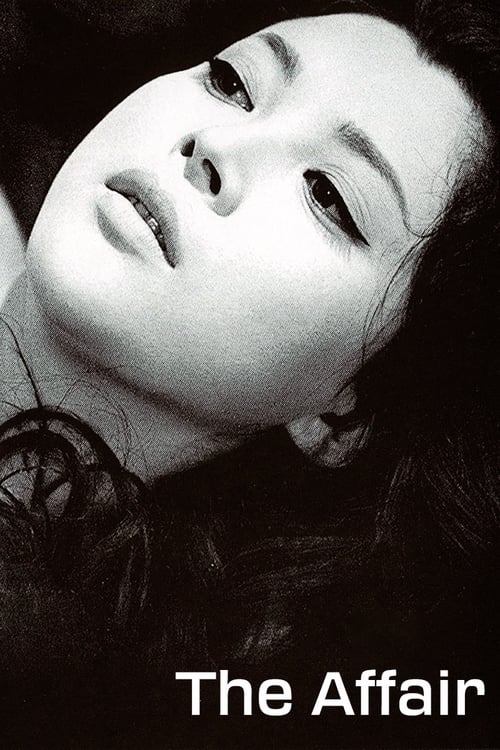
The Affair
1967
No user ratings available yet
Representation score: 6.4 out of 10
Representation Score
Excellent
1968
Director
Yoshishige Yoshida
Runtime
96 minutes
Average Rating
No ratings yetNew Showbiz Analysis
Yoshishige Yoshida’s work utilizes a transnational lens to challenge traditional post-war drama. By moving the narrative through Europe with Japanese protagonists, the film subverts the typical 'East meets West' dynamic, focusing instead on a fluid search for identity. The film excels at centering women's ability to drive the story and cultural trauma. Naoko’s character prioritizes psychological depth over domestic roles, while the inclusion of Nagasaki's history provides a profound critique of systemic violence and its lasting effects on the individual. However, the film's focus on a central heterosexual romance limits its explicit representation of diverse identities. While the avant-garde style suggests a subversion of norms, the lack of clear non-assuming gender matches what was assigned at birth characters keeps certain scores moderate.
Category Breakdown
The film explores a spontaneous romance between a man and a woman. While the Japanese New Wave often deconstructs straight-centered stability, explicit non-assuming gender matches what was assigned at birth identities are not confirmed.
Naoko is defined by her internal psychological landscape rather than her status as a married woman. This shifts the focus toward female emotional autonomy and subjective reality.
By placing Japanese protagonists in a European setting, the film disrupts Western-centric travel clichés. The characters act as active seekers of meaning within foreign spaces.
The narrative centers on the trauma of the Nagasaki bombings to critique institutional stability. It favors an existentialist worldview over traditional structures of family and settled purpose.
The story engages with the physical and psychological scars of atomic bombings. These historical traumas impact the individual body and mind throughout the protagonists' journey.
Present on Screen
Limited or Absent
Official Synopsis
A spontaneous romance blooms between Kawamura, a professor touring Europe, and Naoko, a married woman living in Paris, scarred by the Nagasaki atomic bombings. The two protagonists travel around Europe trying to find themselves.
1967

1955
1972

1966
1986

1951

1954
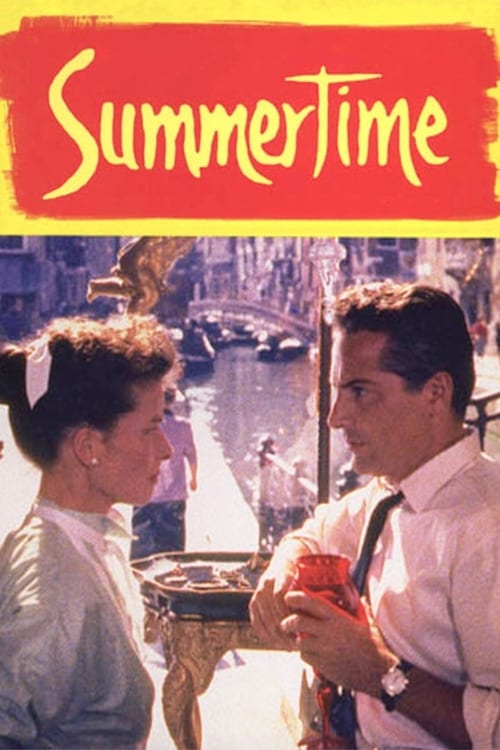
1955
No reviews yet. Be the first to share your thoughts on this movie!
Use the rating form above to leave a star rating and optional review.