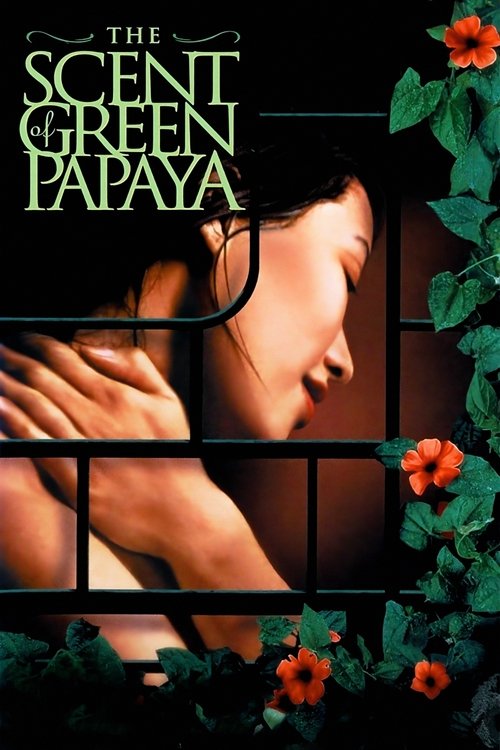
The Scent of Green Papaya
1993
No user ratings available yet
Representation score: 4.1 out of 10

Representation Score
Good
2010
Not RatedDirector
Trần Anh Hùng
Runtime
134 minutes
Average Rating
No ratings yetNew Showbiz Analysis
Trần Anh Hùng’s adaptation of Murakami’s work is a sensory, atmospheric exploration of grief and connection. It excels at depicting the internal emotional landscapes of its characters, especially the women who influence the protagonist's journey. However, the film operates within a traditional framework, emphasizing aesthetic storytelling over critical examination of social structures. The focus remains on individual melancholy rather than broader social issues. While the film provides a culturally specific East Asian perspective, the narrative remains centered on conventional romantic dynamics.
Category Breakdown
The story revolves around a romantic triangle involving Toru, Naoko, and Midori. There is no indication of queer identities or non-cisgender narratives in this 1960s setting.
Women such as Naoko and Midori play key roles in driving the emotional core of the story. Their psychological depth is notable, but the film follows a traditional romantic drama format.
The film showcases a predominantly East Asian cast, offering a culturally specific perspective. This contrasts with the more common Western-centric viewpoints in global cinema.
Set in 1960s Japan, the film delves into existential themes and societal changes. It focuses on individual psychological states rather than religious or political debates.
Mental health and trauma are central to the character arcs. However, it is unclear whether these struggles provide meaningful character's ability to drive the story or simply serve as tragic plot devices.
Present on Screen
Limited or Absent
Official Synopsis
Toru recalls his life in the 1960s, when his friend Kizuki killed himself and he grew close to Naoko, Kizuki's girlfriend, and another woman, the outgoing, lively Midori.
1993

2006
2000
2016
2018
2006

1962

2004
No reviews yet. Be the first to share your thoughts on this movie!
Use the rating form above to leave a star rating and optional review.