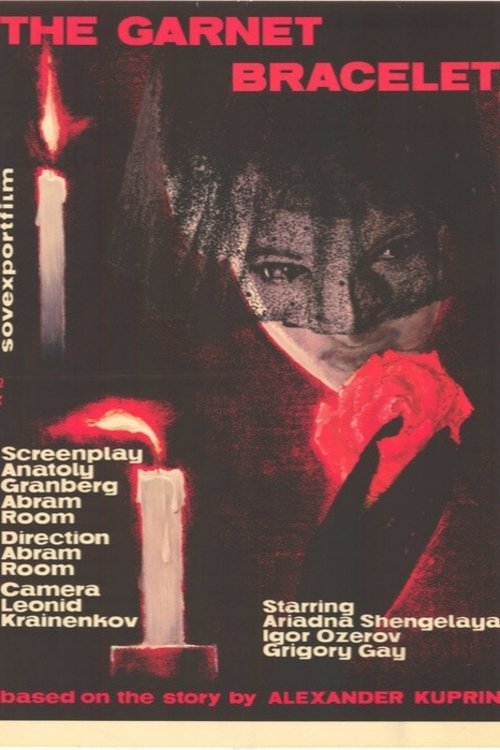
The Garnet Bracelet
1965
No user ratings available yet
Diversity score: 4.9 out of 10
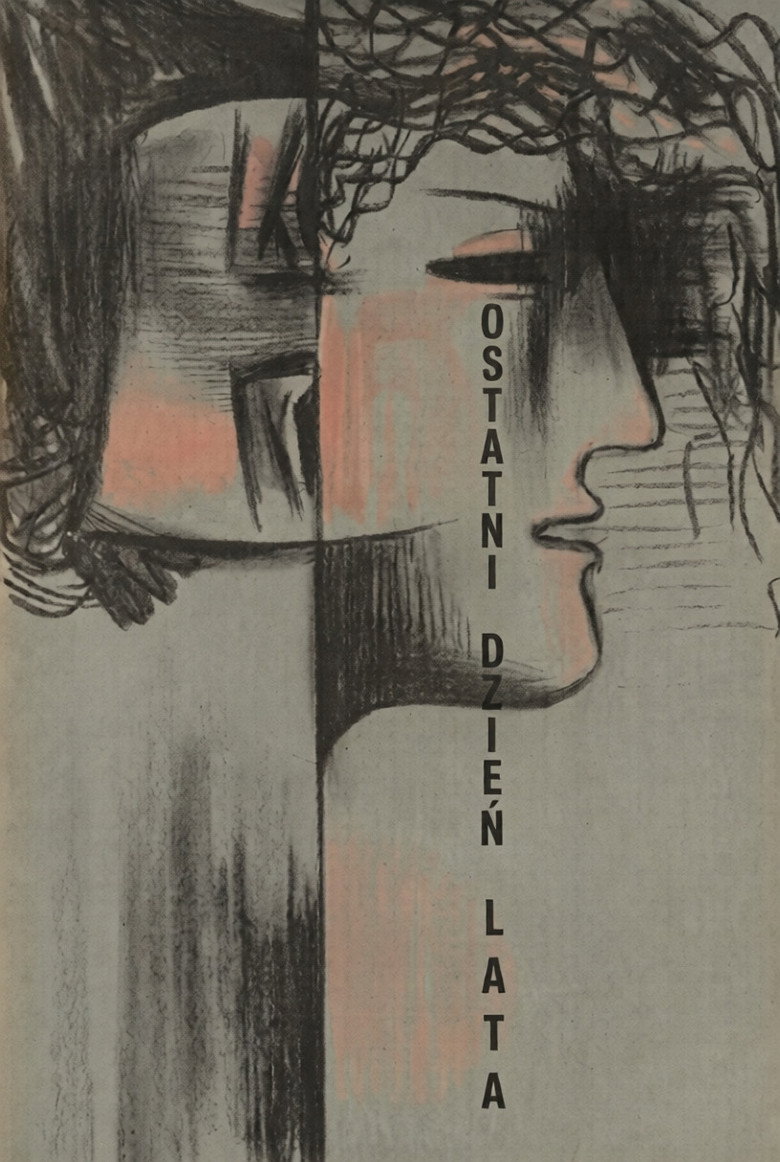
1958
Director
Tadeusz Konwicki
Runtime
59 minutes
Average Rating
No ratings yetSynopsis
A subtle tale of a confrontation between two lonely people, one from which true understanding cannot seemingly result.
Overall Score
Fair
Category Breakdown
LGBTQ+ Representation
The film explores themes of loneliness and the failure of understanding between individuals. While it avoids heteronormative romantic tropes, it lacks explicit evidence of non-cisnormative identities.
Gender Representation
The narrative centers on a confrontation between two people rather than a traditional romantic union. This approach potentially subverts conventional gendered roles and courtship expectations.
Racial & Ethnic Diversity
Reflecting its 1958 Polish production context, the film appears to feature a homogeneous cast. There is no evidence of intentional racial blending or diverse ethnic casting.
Religious & Cultural Diversity
The story prioritizes secular, existentialist inquiries into the human condition. It emphasizes individual isolation and the failure of communication over traditional religious or community frameworks.
Disability Representation
There is no documented evidence regarding the portrayal of physical or neurodivergent disabilities in this title.
Strengths
Areas for Improvement
AI Analysis
Tadeusz Konwicki’s work focuses on psychological fragmentation and existentialism rather than demographic spectacle. The film functions as an intimate study of interpersonal disconnection, prioritizing internal landscapes over traditional narrative structures. While the film disrupts romantic archetypes by focusing on the impossibility of true understanding, it lacks overt intersectional visibility. The narrative architecture favors complex human experiences over clear identity markers. Ultimately, the film is a localized, character-driven drama. It succeeds in exploring philosophical themes of loneliness but remains limited by the homogeneous demographic context of its era.
1965

1966
1972
1961
1958
1981
1955
1988

1973
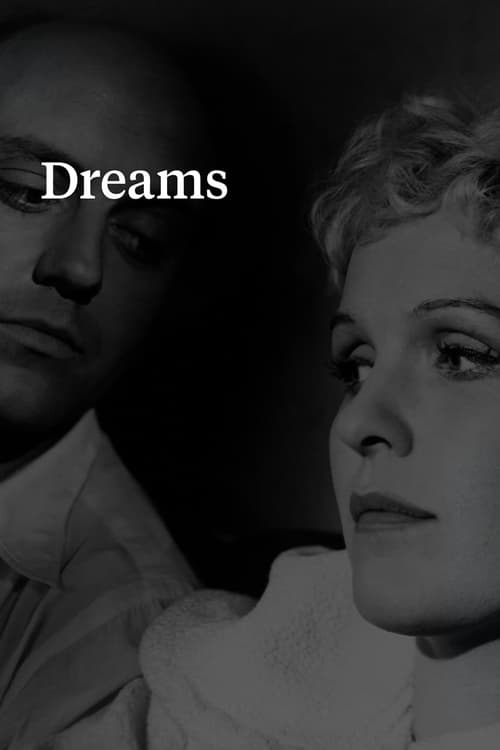
1955
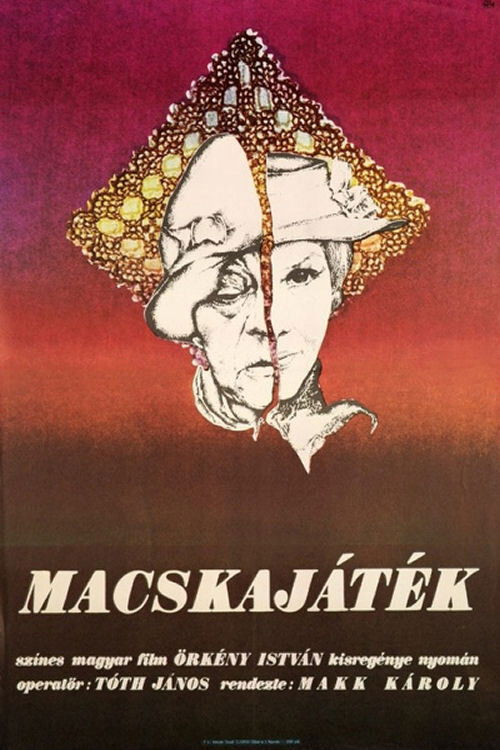
1974
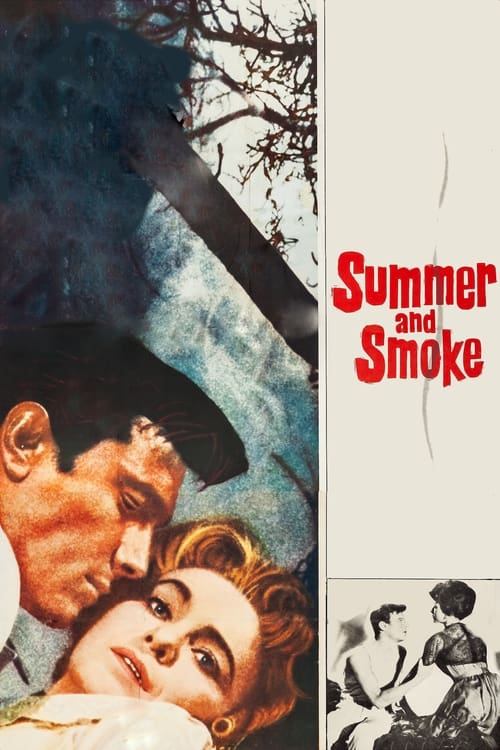
1961
No reviews yet. Be the first to share your thoughts on this movie!
Use the rating form above to leave a star rating and optional review.