How to Play Golf
1944
No user ratings available yet
Representation score: 1.6 out of 10
Representation Score
Minimal
1953
Director
Jack Kinney
Runtime
6 minutes
Average Rating
No ratings yetNew Showbiz Analysis
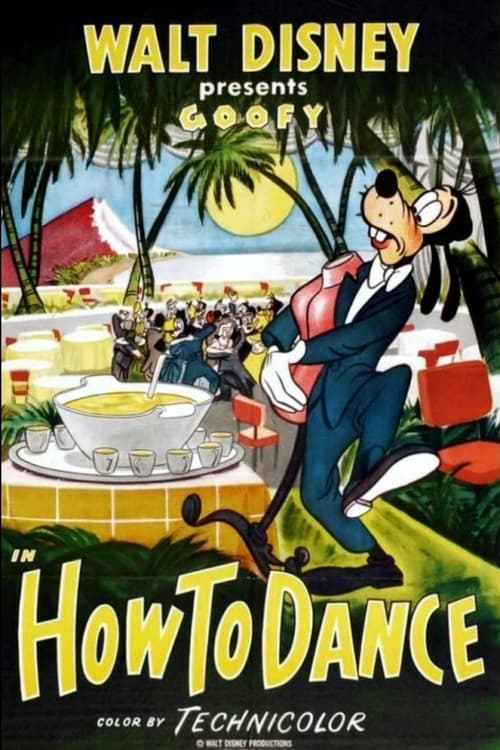
How to Dance is a character-driven animated short focused on comedic impact rather than social commentary. Its narrative structure is centered around a single character's physical comedy. Due to its reliance on established mid-century archetypes, the film lacks the complexity needed to address overlapping aspects of identity. It serves as traditional entertainment that adheres to conventional comedic structures of its time.
Category Breakdown
The film centers on a single character's journey without depicting any non-cisgender identities or challenging assumptions about straight relationships.
Goofy's clumsiness subverts traditional ideas of masculinity, but the lack of diverse gender representations prevents a deeper exploration of gender roles.
The short features a single, anthropomorphic figure and does not engage with racial or ethnic diversity, reflecting the homogeneous standards of early 1950s animation.
The story operates within a traditional mid-century Western framework emphasizing physical humor and skill acquisition without engaging with religious or cultural institutions.
Goofy’s physical awkwardness is a central comedic element, but it is used for slapstick humor rather than portraying disability in a meaningful way.
Present on Screen
Limited or Absent
Official Synopsis
Goofy learns the basics of ballroom dancing.
1944
1944
1944
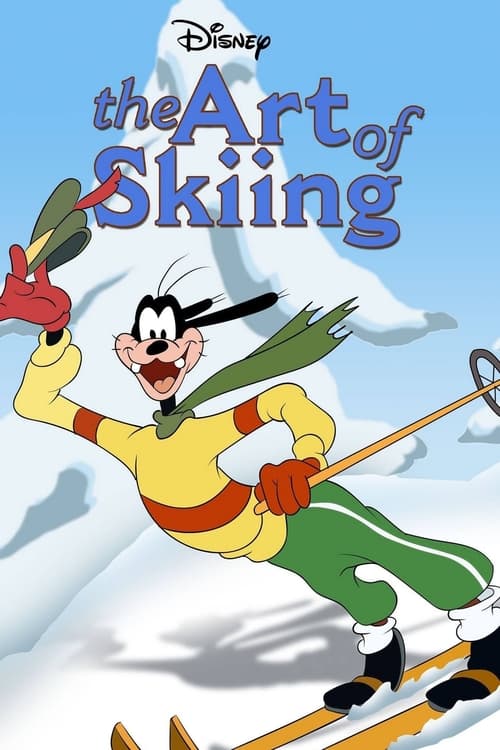
1941
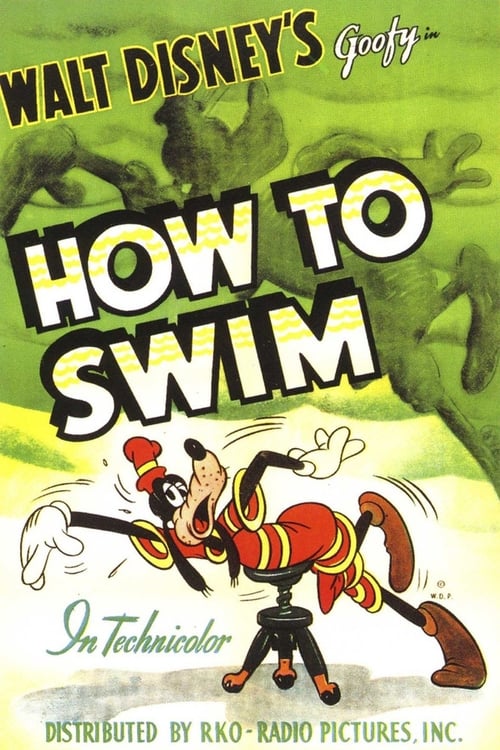
1942
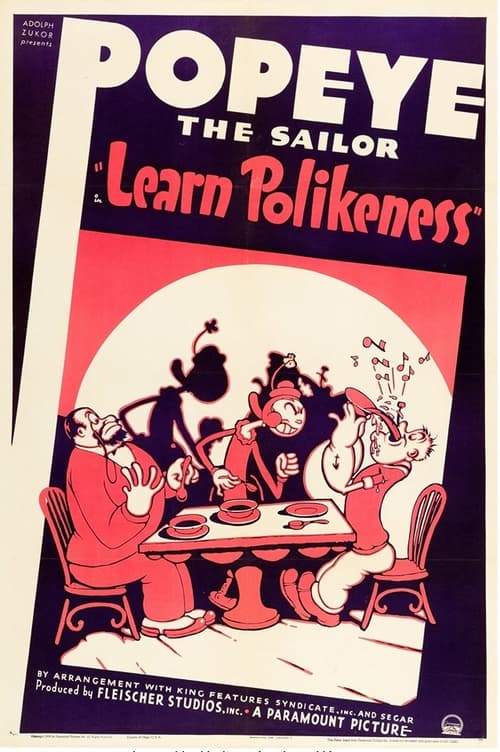
1938
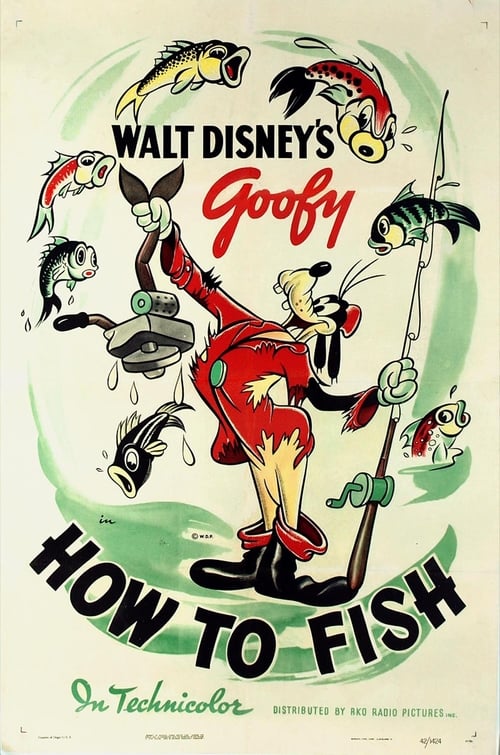
1942
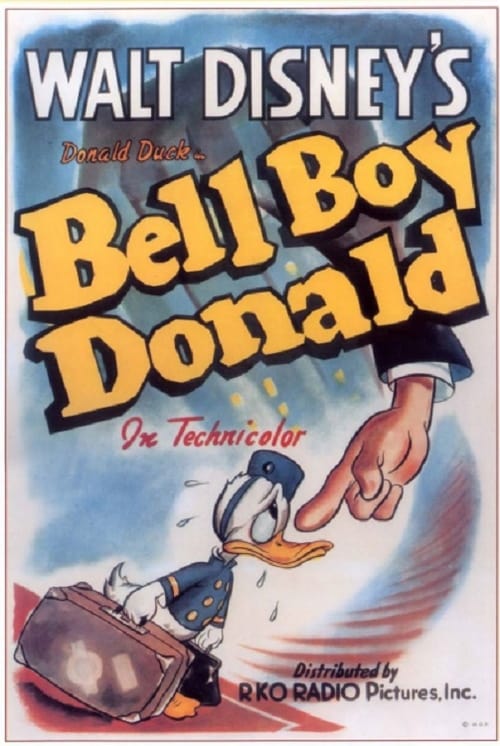
1942
No reviews yet. Be the first to share your thoughts on this movie!
Use the rating form above to leave a star rating and optional review.