The Fox Hunt
1938
No user ratings available yet
Representation score: 0.4 out of 10
Representation Score
Minimal
1947
NRDirector
Jack Kinney
Runtime
8 minutes
Average Rating
No ratings yetNew Showbiz Analysis
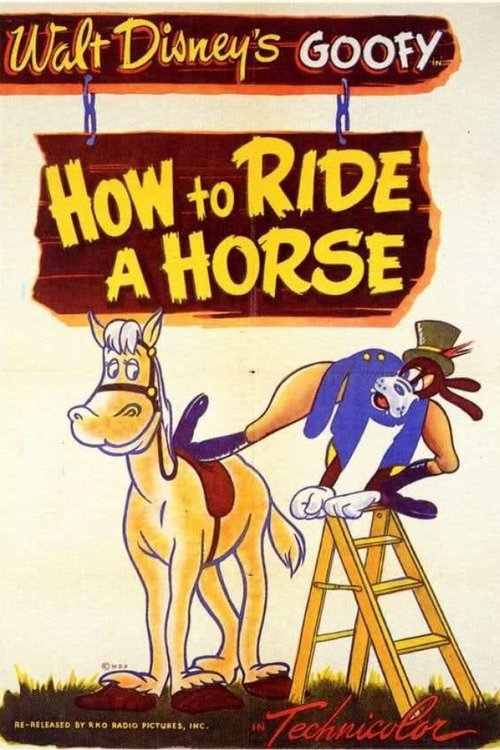
How to Ride a Horse is a product of its time, emphasizing slapstick humor and character-driven comedy over social or identity-based themes. The narrative centers on the physical relationship between Goofy and his horse, Percy, leaving little room for diverse representation. The film adheres to the traditional production standards of the 1940s. It lacks intentional elements that consider multiple aspects of identity, focusing instead on a singular male archetype and a homogeneous cast reflecting the studio's historical norms. Ultimately, the short serves as a typical piece of Western entertainment. It does not aim to disrupt social hierarchies or engage with systemic issues, remaining a straightforward comedic exercise.
Category Breakdown
The film does not include any characters with non-straight sexual orientations or non-cisgender identities. It focuses solely on the comedic interactions between a man and his horse.
The story revolves around a single male protagonist who fits the bumbling male archetype common in mid-century animation. Female characters are not featured.
The work includes an anthropomorphic character but lacks a diverse or multi-ethnic cast. It adheres to the homogeneous character standards typical of 1947 animation.
The film functions as standard commercial family entertainment. It emphasizes physical comedy and individual struggle without delving into complex cultural or religious themes.
Goofy’s physical clumsiness is portrayed as slapstick incompetence rather than a depiction of disability. There is no indication of neurodivergence or physical impairment.
Present on Screen
Limited or Absent
Official Synopsis
Aided by his horse, Percy, Goofy takes horsemanship to a new level. Originally released as a part of The Reluctant Dragon (1941).
1938
1955
1943
1942
1947
1942
1953

1951
No reviews yet. Be the first to share your thoughts on this movie!
Use the rating form above to leave a star rating and optional review.