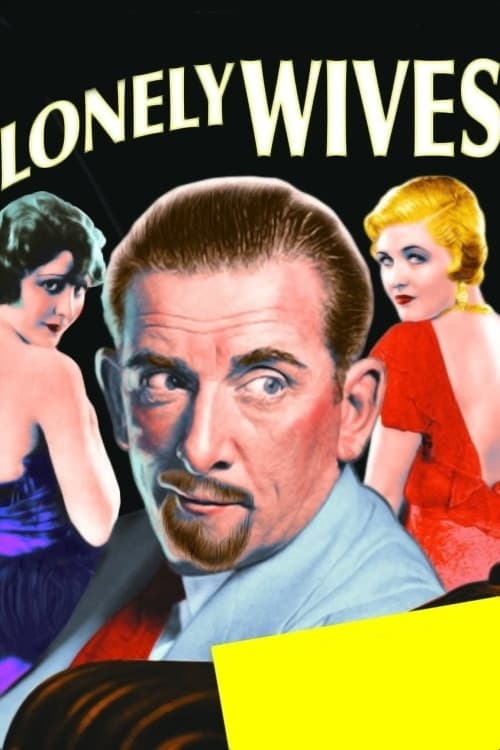
Lonely Wives
1931
No user ratings available yet
Representation score: 1.1 out of 10
Representation Score
Limited
1928
PassedDirector
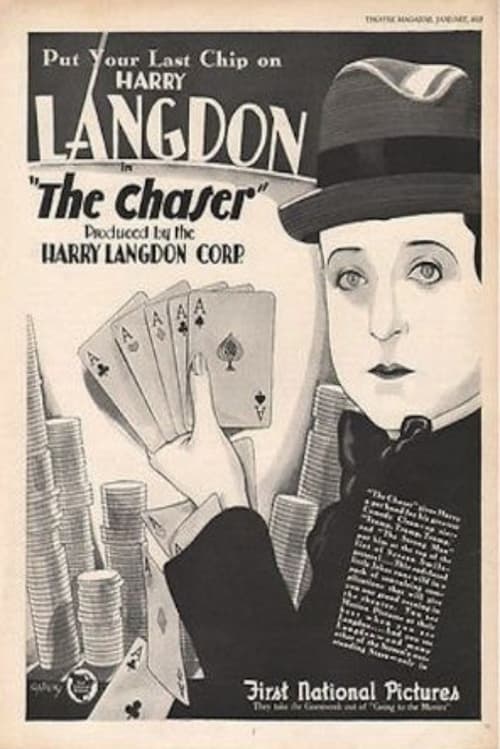
Harry Langdon
Runtime
69 minutes
Average Rating
No ratings yetNew Showbiz Analysis
The Chaser serves as a comedic experiment in gender role reversal. By requiring a carousing husband to live his wife's domestic life, the film disrupts the social hierarchies of the 1920s. While it excels at challenging traditional gender roles, it remains constrained by the era's casting norms and a lack of meaningful identity-based representation. The humor focuses on situational absurdity rather than social critique. Ultimately, the film's strength lies in its structural challenge to the traditional provider/homemaker dynamic, despite its limited LGBTQ+ and racial diversity.
Category Breakdown
The film uses cross-dressing as a comedic device without delving deeply into queer identity. While the husband's adoption of feminine attire challenges traditional gender norms, the lack of meaningful exploration of identity limits the depth of this portrayal.
The narrative overturns traditional gender roles by forcing the husband into the wife's domestic sphere. This role reversal dismantles patriarchal structures by placing the male character in a position of domestic labor and social vulnerability.
The film seems to follow the homogeneous casting standards typical of 1928. There is no indication of a diverse or non-Anglo-Saxon cast within the narrative.
The story employs a comedic lens to deconstruct the nuclear family. It portrays the marriage contract as a site of dysfunction rather than a stable, sacred institution.
There is no evidence of characters with physical or neurodivergent disabilities in this work.
Present on Screen
Limited or Absent
Official Synopsis
A wife, tired of her husband's non-stop carousing, sues him for divorce. The judge, however, comes up with a novel solution--he makes the husband take his wife's place in the household--including dressing like her--for 30 days to see what it's like to be his wife.
1931
1926
1926
1939
1928
1918

1915
1952
No reviews yet. Be the first to share your thoughts on this movie!
Use the rating form above to leave a star rating and optional review.