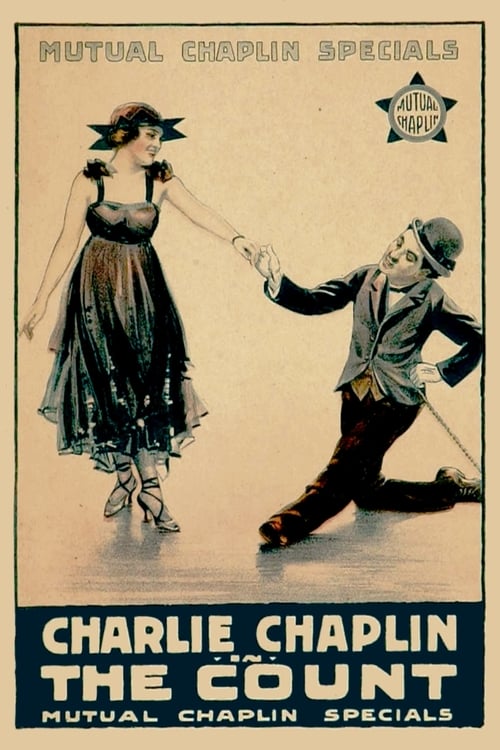
The Count
1916
No user ratings available yet
Representation score: 1.7 out of 10

Representation Score
Limited
1915
TV-GDirector
Charlie Chaplin
Runtime
23 minutes
Average Rating
No ratings yetNew Showbiz Analysis
A Woman is a quintessential example of early slapstick that prioritizes physical humor over social commentary. While the protagonist's use of cross-dressing disrupts traditional gendered visual norms, it functions strictly as a tool for situational irony and mistaken identity. The film lacks intentionality regarding broader social hierarchies. It remains tethered to the era's traditional social structures, focusing on the chaos of the moment rather than the lived experiences of underrepresented groups. Ultimately, the narrative structure is built around the 'trickster' archetype. This approach favors immediate comedic payoff over the depth or representative influence needed to challenge the status quo.
Category Breakdown
The film uses cross-dressing as a comedic device where mistaken identity leads to physical farce. This performance does not explore queer identity or narratives outside of traditional gender roles.
Gender hierarchies are challenged through a trickster character who adopts feminine presentation to deceive others. However, the plot remains focused on traditional romantic pursuits and male incompetence.
The cast appears homogeneous, reflecting the standard casting practices of early American silent cinema. There is no evidence of non-white or non-Anglo-Saxon representation in this work.
The story operates within a conventional domestic framework without critiquing Western institutions. It focuses on individualized comedic mishaps rather than exploring moral relativism or anti-institutional sentiment.
Physical comedy relies on clumsiness and accidental harm, such as being led into a lake. There is no meaningful representation of neurodivergence or characters with disabilities portrayed with real influence.
Present on Screen
Limited or Absent
Official Synopsis
Mother, father and daughter go to the park. The women doze off on a bench while the father plays a hide-and-seek game with a girl, blindfolded. Charlie leads him into a lake. Both dozing ladies on the bench fall for Charlie and invite him for dinner. The father returns home with a friend. Charlie rushes upstairs and dresses like a woman, shaving his mustache. Both men fall for Charlie.
1916
1926
1914

1923
1918

1916
1915
1928
No reviews yet. Be the first to share your thoughts on this movie!
Use the rating form above to leave a star rating and optional review.