
A Woman
1915
No user ratings available yet
Representation score: 3.3 out of 10
Representation Score
Fair
1918
Not RatedDirector
Ernst Lubitsch
Runtime
45 minutes
Average Rating
No ratings yetNew Showbiz Analysis
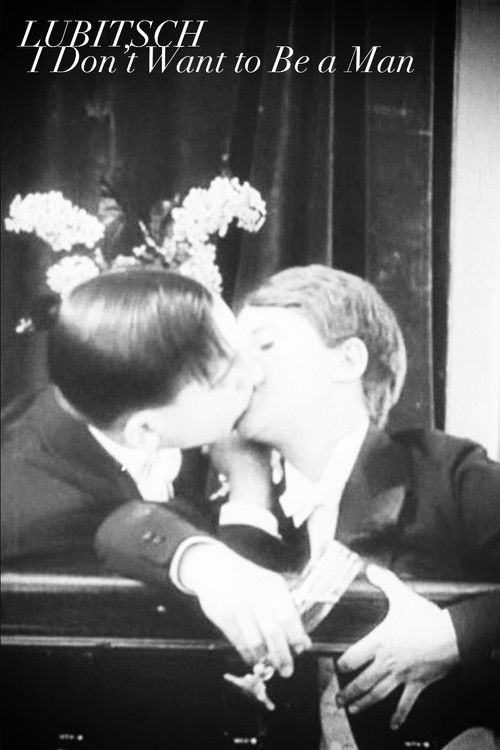
Lubitsch’s comedy succeeds as a progressive historical text by centering its narrative on the subversion of gendered power dynamics. The protagonist's rejection of performative masculinity provides a sophisticated critique of social roles. However, the film remains limited by the era's lack of the way different parts of someone's identity overlap. The focus on a homogeneous European aristocracy results in a significant absence of racial and ethnic diversity. Ultimately, the film is a landmark for its gender-bending themes, even as it fails to address disability or broader racial representation.
Category Breakdown
The film explores gender fluidity through cross-dressing and identity performance. While it lacks modern terminology for non-binary identities, the central premise challenges the assumption that everyone is straight or cisgender.
The story centers on a protagonist who actively rejects traditional masculinity and femininity. It mocks masculine authority and disrupts conventional social hierarchies through comedic subversion.
The film depicts a homogeneous, aristocratic European society. It lacks non-white or non-Anglo-Saxon representation, reflecting the social constraints of its era.
The narrative deconstructs Western aristocratic institutions and rigid social decorum. It prioritizes individual ability to act and autonomy over strict social conformity and traditional authority.
There is no evidence of characters with visible or invisible disabilities within the narrative or casting.
Present on Screen
Limited or Absent
Official Synopsis
A teenage tomboy, tired of being bossed around by her strict guardian, impersonates a man so she can have more fun. She quickly discovers that being the opposite sex isn’t as easy as she had hoped for. What ensues is a gender-bending comedy decades ahead of its time.
1915
1926
1928
2013
1916

1916
1906
1937
No reviews yet. Be the first to share your thoughts on this movie!
Use the rating form above to leave a star rating and optional review.