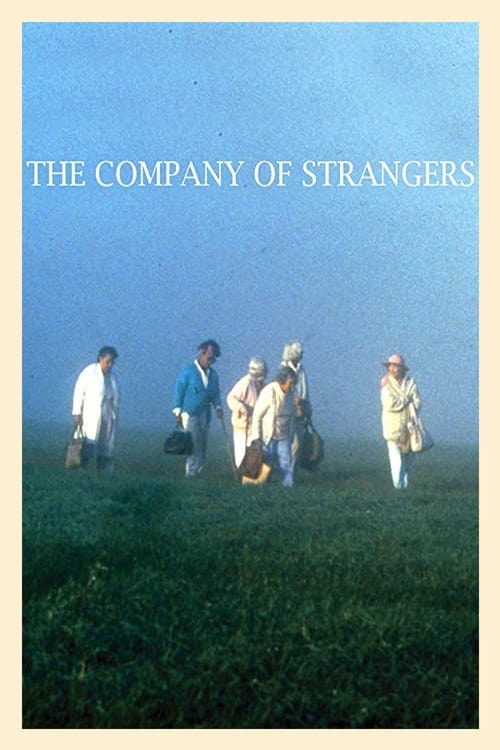
The Company of Strangers
1990
No user ratings available yet
Representation score: 6.2 out of 10
Representation Score
Good
1989
Director
Ulrike Ottinger
Runtime
165 minutes
Average Rating
No ratings yetNew Showbiz Analysis
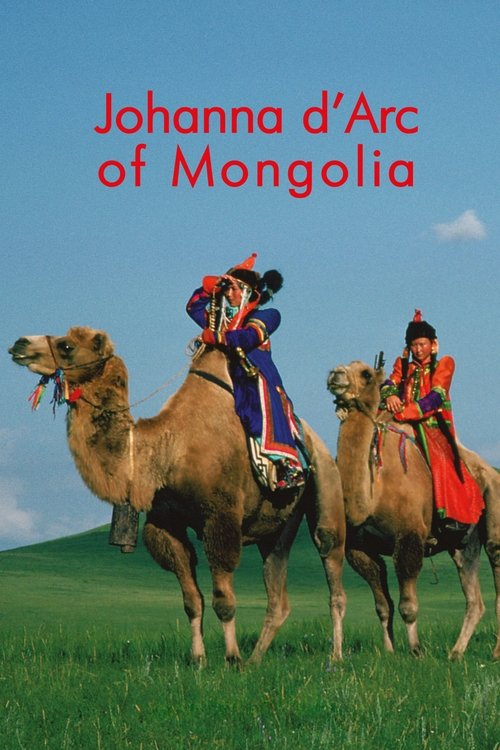
Ulrike Ottinger’s work challenges the Western perspective by centering nomadic Mongolian culture and female autonomy. It moves away from conventional plot structures toward a more meditative, non-linear approach. The film's strength lies in its focus on female autonomy and indigenous spiritual practices. It avoids traditional power dynamics and colonialist narratives, instead highlighting the complexity of Mongolian life. While the film lacks explicit LGBTQ+ identities, it offers a progressive alternative to mainstream adventure stories by emphasizing female autonomy and cultural respect.
Category Breakdown
The film doesn't explicitly show same-sex relationships or non-binary gender identities. However, it emphasizes the female gaze and presents a ritualistic, feminine identity that challenges traditional storytelling.
The movie focuses entirely on female characters, particularly a group of women and a warrior princess. It challenges patriarchal structures by showing women with ritualistic power and autonomy.
The film highlights Mongolian nomadic cultures and traditional rituals. It avoids Anglo-centric views and presents Mongolian life as an independent, complex reality.
The film prioritizes shamanistic rituals and indigenous spiritual practices, challenging Western secular traditions. It uses a meditative, non-linear structure that respects cultural autonomy.
The film does not depict physical or neurodivergent disabilities.
Present on Screen
Limited or Absent
Official Synopsis
A group of cosmopolitan women passengers aboard the Trans-Siberian/Mongolian Railway are taken prisoner by Ulan Iga, a warrior princess.
1990

1960

1932

1969
1956

1975

1996
2002
No reviews yet. Be the first to share your thoughts on this movie!
Use the rating form above to leave a star rating and optional review.